What Are the Complete Process Steps in Gold Mining Operations
Time:22 October 2025

Gold mining is a complex process that involves several stages, each critical to the successful extraction of gold from the earth. This article outlines the comprehensive steps involved in gold mining operations, from exploration to refining.
1. Exploration
The first step in gold mining is exploration, which involves identifying potential gold deposits.
1.1 Geological Surveys
- Conducting geological surveys to identify areas with potential gold deposits.
- Using satellite imagery and aerial photography to map out promising locations.
1.2 Sampling
- Collecting soil and rock samples from potential sites.
- Analyzing samples for gold content and other valuable minerals.
1.3 Drilling
- Performing exploratory drilling to obtain core samples.
- Assessing the size and quality of the gold deposit.
2. Development
Once a viable gold deposit is identified, the next step is development.
2.1 Feasibility Studies
- Conducting economic feasibility studies to determine the viability of mining the deposit.
- Evaluating environmental impact and regulatory compliance.
2.2 Permitting
- Securing necessary permits and licenses from government authorities.
- Engaging with local communities and stakeholders.
2.3 Infrastructure Development
- Constructing access roads, power supplies, and water management systems.
- Building mining facilities and processing plants.
3. Mining
The mining phase involves the actual extraction of gold ore from the ground.
3.1 Open-Pit Mining
- Removing overburden (surface material) to access the ore body.
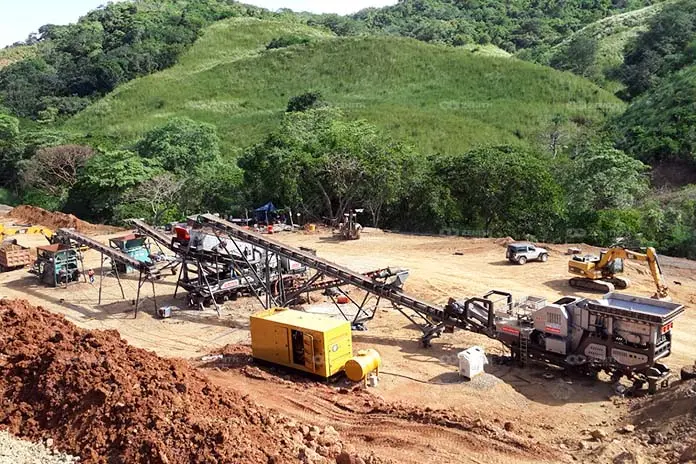
- Using heavy machinery to extract ore from open pits.
3.2 Underground Mining
- Creating tunnels and shafts to reach deeper ore deposits.
- Employing specialized equipment to extract ore in confined spaces.
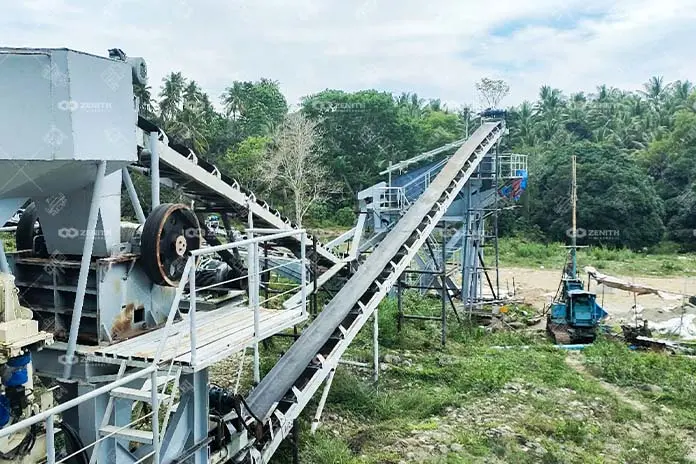
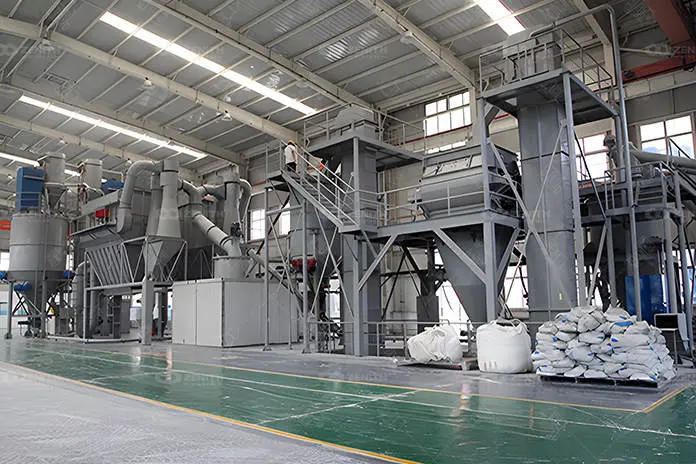
4. Processing
Once the ore is extracted, it undergoes processing to separate gold from other materials.
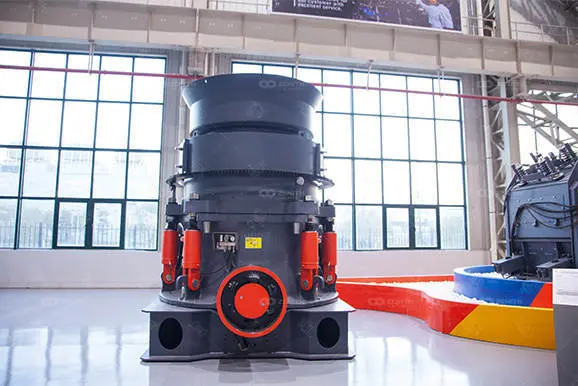
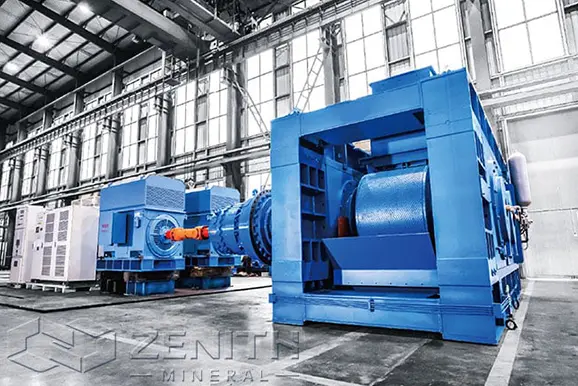
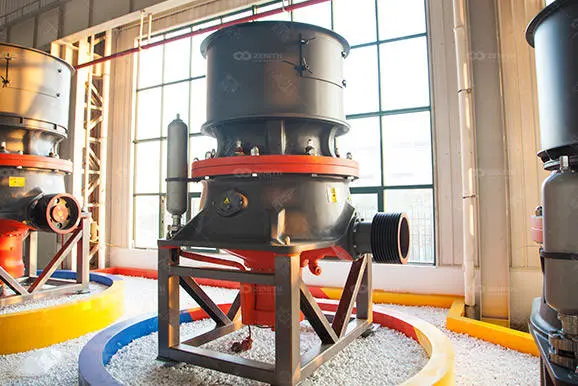
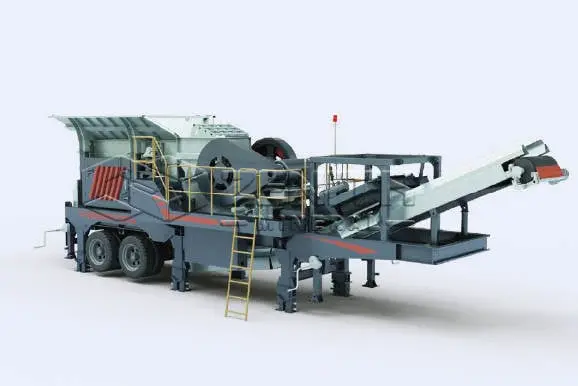
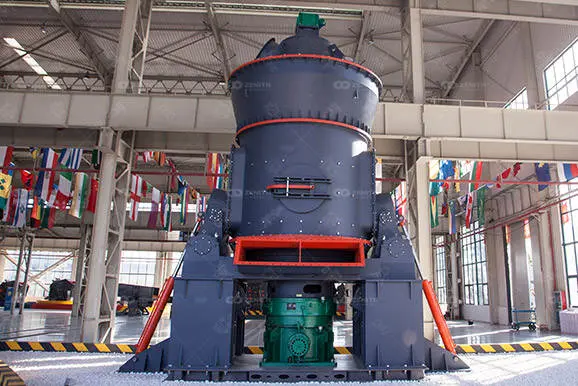
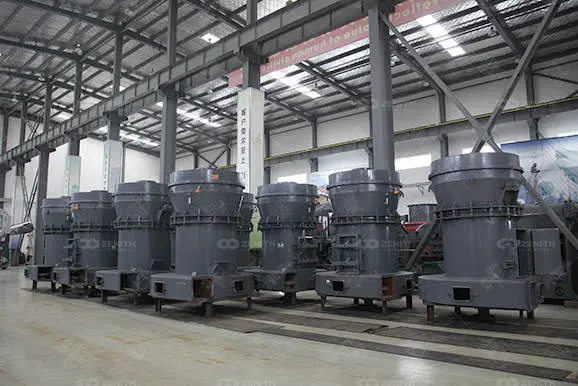
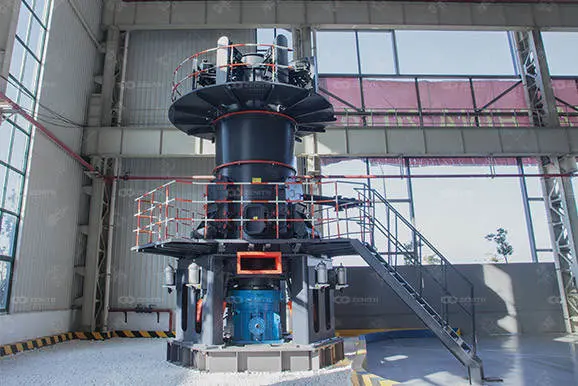
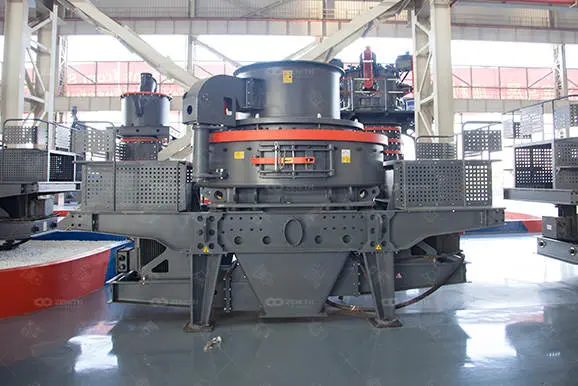
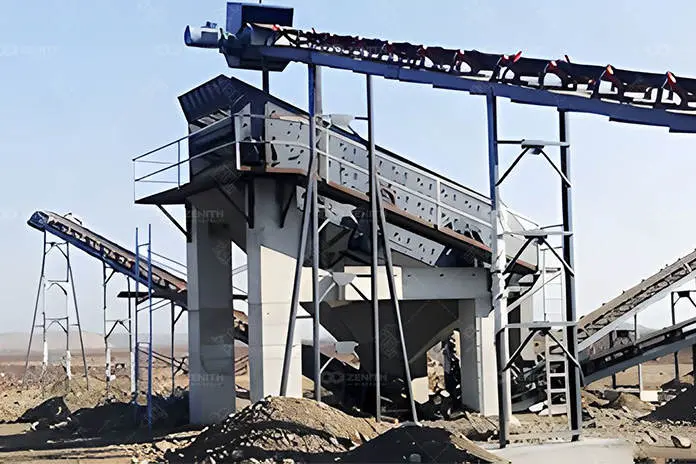
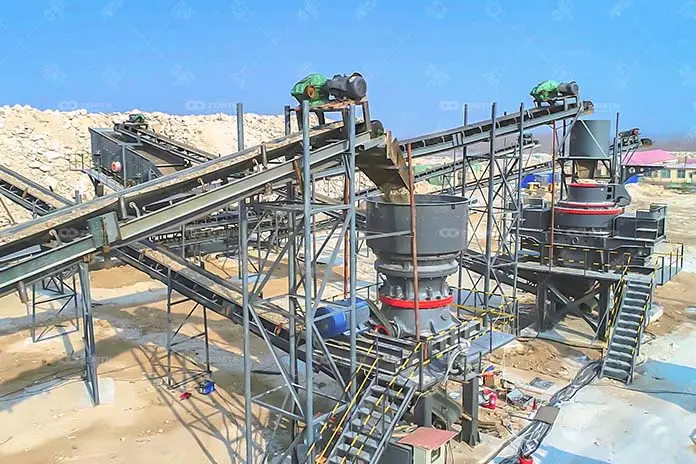
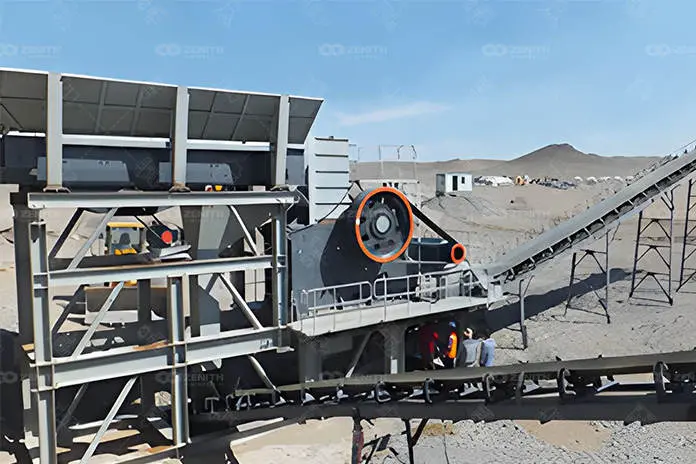
4.1 Crushing and Grinding
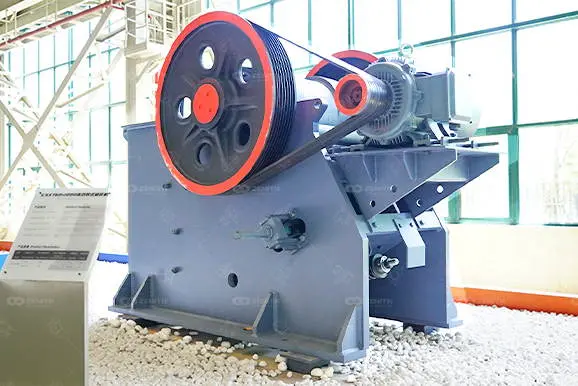
- Crushing the ore into smaller pieces to facilitate further processing.
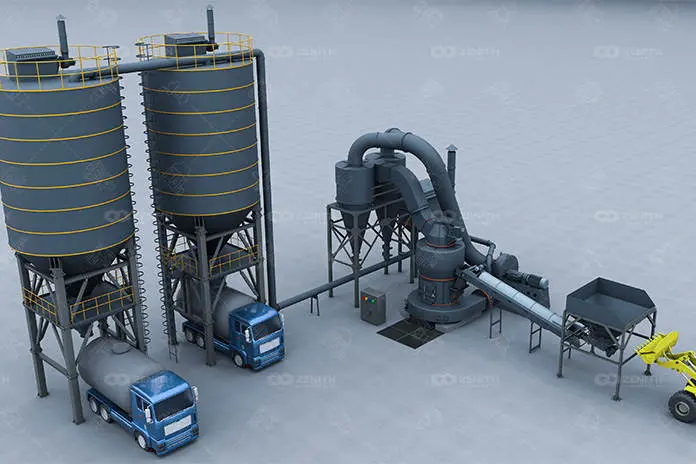
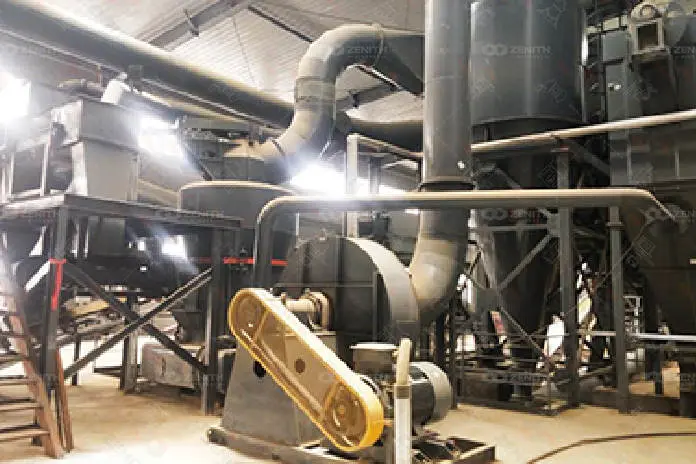
- Grinding the crushed ore into a fine powder.
4.2 Concentration
- Using gravity separation, flotation, or other methods to concentrate gold particles.
- Removing impurities and other minerals from the concentrate.
4.3 Extraction
- Applying chemical processes, such as cyanidation or amalgamation, to extract gold from the concentrate.
- Recovering gold from the solution through precipitation or adsorption.
5. Refining
The final step in gold mining is refining, which purifies the extracted gold.
5.1 Smelting
- Melting the gold concentrate to separate impurities.
- Casting the molten gold into bars or ingots.
5.2 Electrolytic Refining
- Using an electrolytic process to achieve high-purity gold.
- Producing gold of 99.99% purity for commercial use.
6. Closure and Reclamation
After mining operations are complete, the site undergoes closure and reclamation.
6.1 Site Rehabilitation
- Restoring the landscape to its natural state or repurposing it for other uses.
- Planting vegetation and ensuring soil stability.
6.2 Monitoring
- Continuously monitoring the site for environmental impacts.
- Ensuring compliance with environmental regulations and community agreements.
Conclusion
Gold mining is a multi-faceted process that requires careful planning, execution, and management. From exploration to refining, each step is crucial to ensure the efficient and sustainable extraction of gold. By understanding these processes, stakeholders can better appreciate the complexities and challenges involved in gold mining operations.