info@chinagrindingmill.net
+8613661969651
english En
English 中文版 Hindi Spanish French Arabic Bengali Russian Portuguese Indonesian Urdu German Japanese Swahili Turkish Italian Korean Vietnamese Tamil Punjabi Persian (Farsi) Thai Dutch Polish Ukrainian Romanian Greek Hebrew Swedish Czech Hungarian Danish Finnish Norwegian Malay Tagalog (Filipino) Gujarati Kannada Burmese Amharic Hausa Somali Yoruba Zulu Afrikaans Nepali Sinhala Khmer Lao Mongolian Javanese Telugu Marathi Malayalam Uyghur
SHANGHAI ZENITH MINERAL CO.,LTD. SHANGHAI ZENITH MINERAL CO.,LTD.
  • Home
  • About
  • Products
    Mobile CrusherStone CrusherGrinding MillsModular CrushersMining Equipment
  • Cases
  • Solutions
  • Library
  • Contact
  • Quote Now
  • Home
  • How to Calculate Power Requirements for Belt Conveyor Systems

How to Calculate Power Requirements for Belt Conveyor Systems

Time:23 October 2025
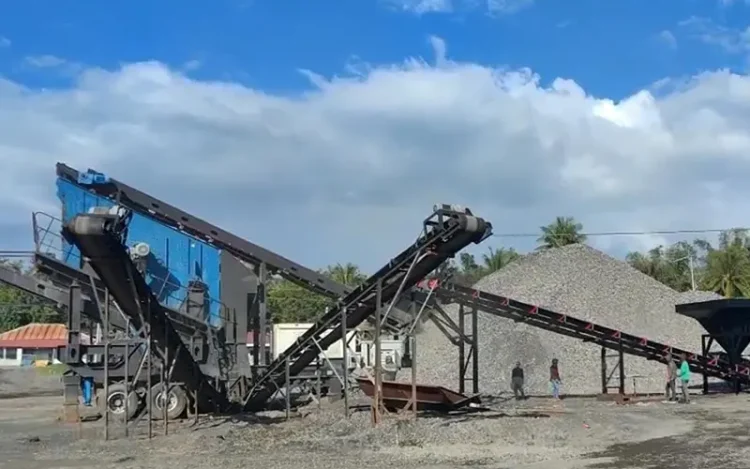
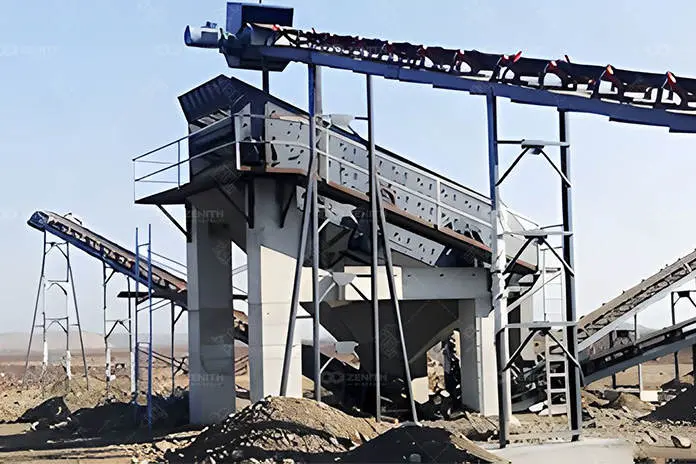
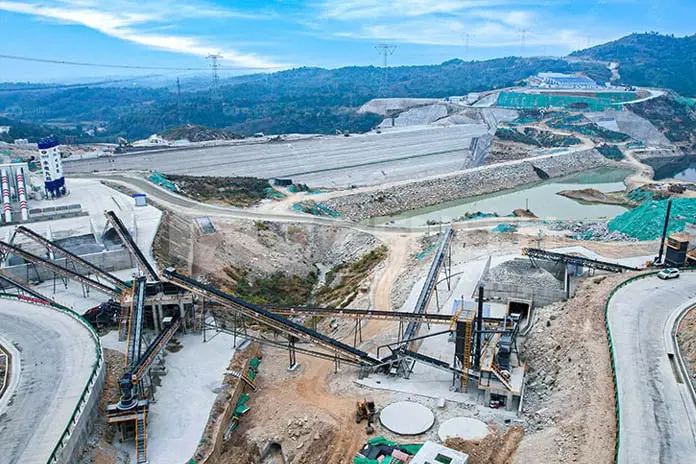
Belt conveyor systems are essential in various industries for transporting materials efficiently. Calculating the power requirements for these systems is crucial to ensure optimal performance and energy efficiency. This article provides a comprehensive guide on how to calculate the power requirements for belt conveyor systems.

Understanding Conveyor System Components

Before diving into the calculations, it’s important to understand the key components of a belt conveyor system:

  • Belt: The continuous loop that carries materials.
  • Drive Unit: Consists of the motor and gear reducer that provide the necessary power.
  • Pulleys: Guide and support the belt.
  • Idlers: Support the belt and material load.
  • Load: The material being transported.

Factors Affecting Power Requirements

Several factors influence the power requirements of a belt conveyor system:

  1. Belt Speed: Higher speeds require more power.
  2. Load Weight: Heavier loads increase power consumption.
  3. Conveyor Length: Longer conveyors need more power to overcome friction.
  4. Incline Angle: Inclined conveyors require additional power to lift materials.
  5. Friction: Resistance between the belt and rollers affects power needs.

Calculating Power Requirements

To calculate the power requirements for a belt conveyor system, follow these steps:

1. Determine the Material Load

Calculate the total weight of the material being transported:

  • Material Weight (Wm): Measure the weight of the material per unit length (e.g., kg/m).

2. Calculate the Belt Speed

Determine the speed at which the belt will operate:

  • Belt Speed (V): Measured in meters per second (m/s).

3. Calculate the Conveyor Length

Measure the total length of the conveyor:

  • Conveyor Length (L): Measured in meters (m).

4. Determine the Incline Angle

Identify if the conveyor is inclined and measure the angle:

  • Incline Angle (θ): Measured in degrees.

5. Calculate the Power Requirement

Use the following formula to calculate the power requirement:

\[ P = \frac{(Wm \times V \times L \times g \times \cos(\theta) + Wm \times V \times L \times g \times \sin(\theta))}{\eta} \]

Where:

  • \( P \) = Power requirement in watts (W)
  • \( Wm \) = Material weight per unit length (kg/m)
  • \( V \) = Belt speed (m/s)
  • \( L \) = Conveyor length (m)
  • \( g \) = Acceleration due to gravity (9.81 m/s²)
  • \( \theta \) = Incline angle (degrees)
  • \( \eta \) = Efficiency of the conveyor system (typically between 0.9 and 0.95)

6. Adjust for Friction

Consider the friction factor in the system:

  • Friction Factor (f): Typically ranges from 0.02 to 0.05 depending on the system design.

Adjust the power requirement:

\[ P_{\text{adjusted}} = P \times (1 + f) \]

Practical Considerations

  • Safety Margins: Always include a safety margin in your calculations to account for unexpected loads or conditions.
  • System Efficiency: Regular maintenance can improve system efficiency and reduce power consumption.
  • Environmental Factors: Consider environmental conditions such as temperature and humidity, which can affect system performance.

Conclusion

Calculating the power requirements for belt conveyor systems involves understanding the system components, evaluating various factors, and applying the appropriate formulas. By following the steps outlined in this guide, you can ensure that your conveyor system operates efficiently and effectively, minimizing energy consumption and maximizing productivity.


  • Previous: What Are the Complete Process Steps in Gold Mining Operations
  • Next: What Are the Capabilities of the Concrete Block Making Machine

Main Products

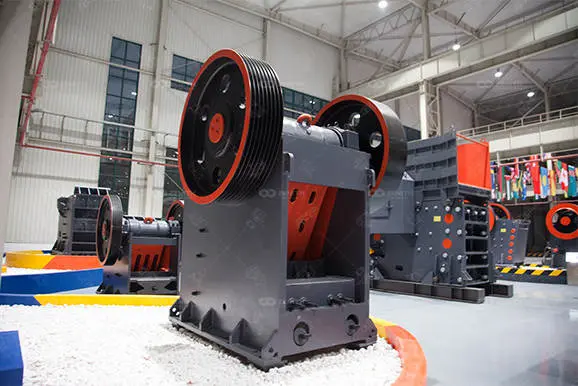
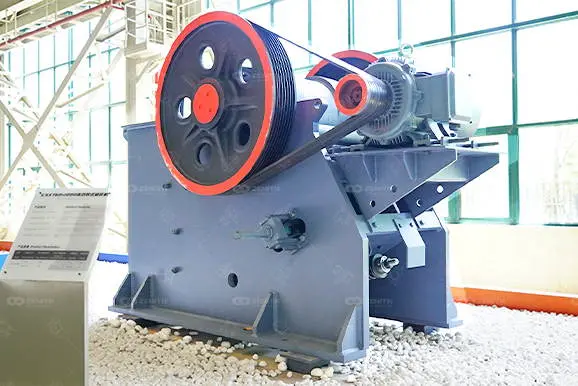
PE Jaw Crusher

PE Jaw Crusher

PE Jaw Crusher is one classic crusher with long history. It is usually used as primary crusher in crushing plants.

Learn More
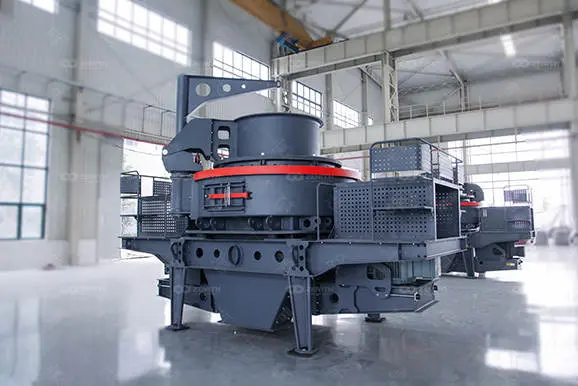
VSI6X Sand Making Machine

VSI6X Sand Making Machine

VSI6X Vertical Shaft Impact Crusher, also known as VSI6X Sand-making Machine, can be used in both sand making and reshaping...

Learn More
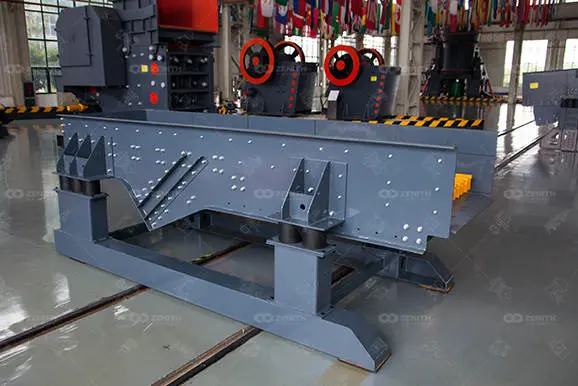
GF Vibrating Feeder

GF Vibrating Feeder

GF Vibrating Feeder is designed for portable or mobile crushers, semi-fixed crushing lines and small stock ground (capacity below 250t/h,...

Learn More
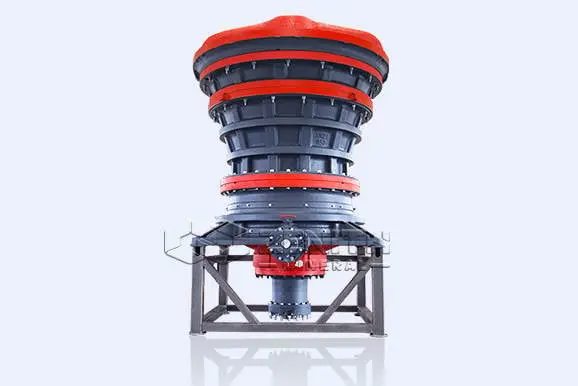
HGT Gyratory Crusher

HGT Gyratory Crusher

HGT Gyratory Crusher was developed to cater for market demands for large crushing equipment. It’s absolutely an ideal choice for...

Learn More
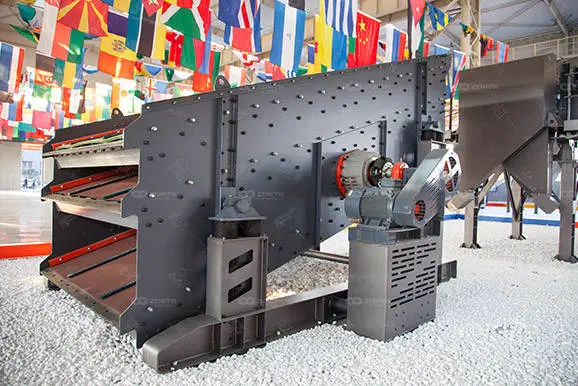
S5X Vibrating Screen

S5X Vibrating Screen

S5X Vibrating Screen is applicable to heavy-type, middle-type and fine screening operations. It is the ideal screen for primary and...

Learn More
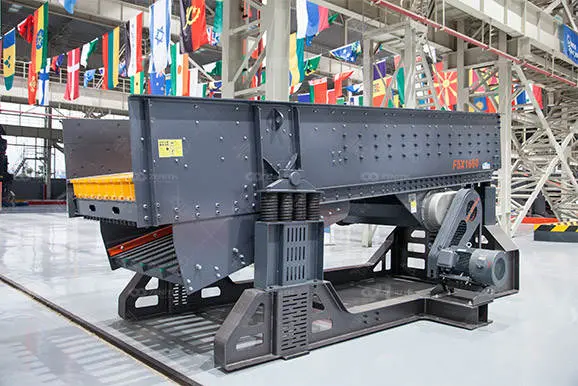
F5X Vibrating Feeder

F5X Vibrating Feeder

F5X Vibrating Feeder is designed to fit super-heavy operation condition with the strong vibration intensity of 4.5G and extremely firm...

Learn More
B Series VSI Impact Crusher

B Series VSI Impact Crusher

B Series VSI Impact Crusher is, commonly known as sand making machine, the basis for the development of B Deep-rotor...

Learn More
MTW Trapezium Grinding Mill

MTW Trapezium Grinding Mill

MTW Euro-type Trapezium Mill owns many independent patents, such as overall prick gear drive, internal thin oil lubrication system, arc-shaped...

Learn More
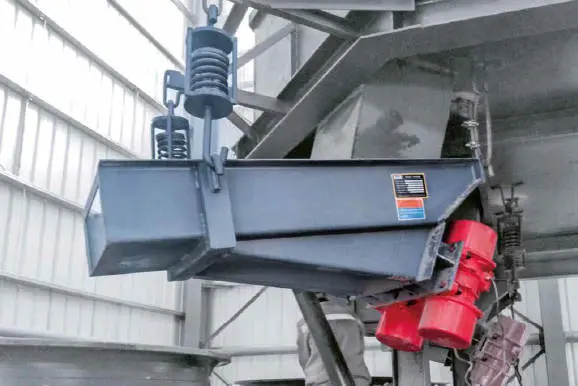
SP Vibrating Feeder

SP Vibrating Feeder

SP Vibrating Feeder can be used to feed small and medium-sized blocks, grain, and powder materials evenly and continuously.

Learn More
C5X Jaw Crusher

C5X Jaw Crusher

The C5X Jaw Crusher features a well-designed crushing chamber and outstanding motion characteristics, boasting a larger stroke and higher speed...

Learn More

Project Cases

Sold to 180+ countries and regions, successfully helping customers build lots of stone crushing plants.
And the final aggregates are used to build highway, railway, airport and buildings, etc.
Turkey Copper Ore Crushing Plant

Turkey Copper Ore Crushing Plant

200t/h Granite Crushing Plant for Hydropower Station

200t/h Granite Crushing Plant for Hydropower Station

1,000,000TPY Coal Grinding Plant

1,000,000TPY Coal Grinding Plant

6-20TPH Water Permeable Brick Production Project

6-20TPH Water Permeable Brick Production Project

Ghana 100-120TPH Granite Portable Crushing Plant

Ghana 100-120TPH Granite Portable Crushing Plant

The Philippines 200TPH Granite Crushing Plant

The Philippines 200TPH Granite Crushing Plant

100,000TPY Calcite Grinding Plant

100,000TPY Calcite Grinding Plant

India 30TPH Limestone Grinding Plant

India 30TPH Limestone Grinding Plant

SHANGHAI ZENITH MINERAL CO.,LTD.

Certification

  • CE
  • SGS
  • ISO
  • GOST

Contact information

  • Whatsapp: +8613661969651
  • Email: info@chinagrindingmill.net
  • Website: www.chinagrindingmill.net
  • Address: No. 1688, East Gaoke Road, Shanghai, China

Our Solutions

50-100t/h Soft Rock Crushing Plant
50-100t/h Hard Rock Crushing Plant
100-150t/h Soft Rock Crushing Plant
100-150t/h Hard Rock Crushing Plant
150-200t/h Soft Rock Crushing Plant
150-180t/h Hard Rock Crushing Plant

Cases

Ghana 100-120TPH Granite Portable Crushing Plant
Dubai 550t/h Limestone Crushing Plant
Philippines 80TPH River Pebble Crushing Plant
Turkey Copper Ore Crushing Plant

Resources

Librarys
FAQs
Downloads

About Us

Copyright © 2025 SHANGHAI ZENITH MINERAL CO.,LTD. All Rights Reserved.