info@chinagrindingmill.net
+8613661969651
english En
English 中文版 Hindi Spanish French Arabic Bengali Russian Portuguese Indonesian Urdu German Japanese Swahili Turkish Italian Korean Vietnamese Tamil Punjabi Persian (Farsi) Thai Dutch Polish Ukrainian Romanian Greek Hebrew Swedish Czech Hungarian Danish Finnish Norwegian Malay Tagalog (Filipino) Gujarati Kannada Burmese Amharic Hausa Somali Yoruba Zulu Afrikaans Nepali Sinhala Khmer Lao Mongolian Javanese Telugu Marathi Malayalam Uyghur
SHANGHAI ZENITH MINERAL CO.,LTD. SHANGHAI ZENITH MINERAL CO.,LTD.
  • Home
  • About
  • Products
    Mobile CrusherStone CrusherGrinding MillsModular CrushersMining Equipment
  • Cases
  • Solutions
  • Library
  • Contact
  • Quote Now
  • Home
  • How Do Coolers Optimize Efficiency in Cement Kiln Systems

How Do Coolers Optimize Efficiency in Cement Kiln Systems

Time:23 October 2025

Cement kiln systems are critical in the production of cement, and coolers play a pivotal role in optimizing their efficiency. This article delves into how coolers enhance the performance of cement kiln systems, focusing on their design, operation, and impact on overall efficiency.

Overview of Cement Kiln Systems

Cement kilns are essential in the clinker production process, which involves heating raw materials to form clinker. This process is energy-intensive, and optimizing it is crucial for cost reduction and environmental sustainability.

Components of Cement Kiln Systems

  1. Preheater: Prepares raw materials by heating them before they enter the kiln.
  2. Rotary Kiln: The primary component where the raw materials undergo chemical transformation into clinker.
  3. Cooler: Rapidly cools the clinker exiting the kiln, recovering heat for reuse.

Role of Coolers in Cement Kiln Systems

Coolers are integral to the efficiency of cement kiln systems. They not only cool the clinker but also recover heat, which can be reused in the process, thereby saving energy and reducing costs.

Types of Coolers

  1. Grate Coolers: Utilize a perforated surface through which air is blown to cool the clinker.
  2. Rotary Coolers: Use a rotating drum to cool clinker.
  3. Planetary Coolers: Consist of a series of tubes attached to the kiln shell, rotating with the kiln.

How Coolers Optimize Efficiency

Heat Recovery

  • Energy Conservation: Coolers capture waste heat from the clinker, which is then used to preheat the combustion air or raw materials, reducing the overall energy consumption.
  • Improved Fuel Efficiency: By recovering heat, less fuel is needed to maintain the kiln’s temperature, thus optimizing fuel efficiency.

Enhanced Clinker Quality

  • Controlled Cooling: Rapid and controlled cooling of clinker improves its quality by stabilizing the mineral phases, which is essential for producing high-quality cement.
  • Uniform Temperature Distribution: Ensures consistent clinker properties, which is crucial for the final product’s performance.

Operational Benefits

  • Reduced Wear and Tear: Effective cooling reduces thermal stress on kiln components, extending their lifespan and reducing maintenance costs.
  • Increased Throughput: By efficiently cooling clinker, coolers allow for faster kiln operation and increased production capacity.

Design Considerations for Coolers

Airflow Management

  • Optimized Air Distribution: Ensures even cooling and maximizes heat recovery.
  • Variable Airflow Control: Allows for adjustments based on operational needs, enhancing efficiency.

Material Handling

  • Efficient Clinker Transport: Design should facilitate smooth movement of clinker through the cooler to prevent bottlenecks.
  • Dust Management: Effective dust collection systems are necessary to maintain clean operations and prevent blockages.

Conclusion

Coolers are indispensable in optimizing the efficiency of cement kiln systems. By effectively recovering heat, enhancing clinker quality, and providing operational benefits, they contribute significantly to the sustainability and cost-effectiveness of cement production. Understanding the role and design of coolers is crucial for anyone involved in the cement manufacturing industry, as it directly impacts the economic and environmental performance of the production process.


  • Previous: What Are the Best Conveyor Design Options for Mining Operations
  • Next: What Is the Average Copper Content in Zambian Ore and How Does It Affect Processing Costs

Main Products

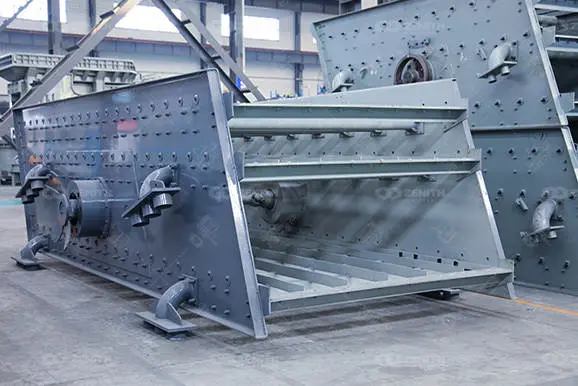
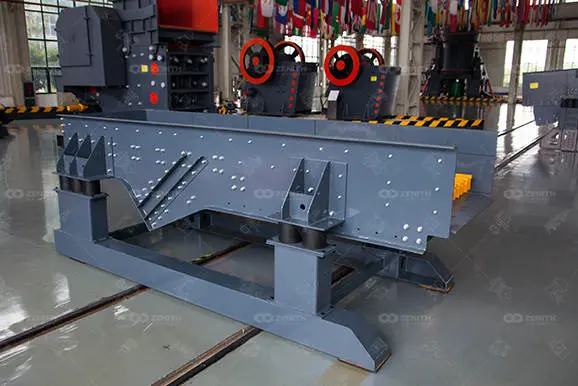
YK Vibrating Screen

YK Vibrating Screen

YK Vibrating Screen appears in such fields as ore beneficiation, aggregates production, solid wastes disposal and coal dressing.

Learn More
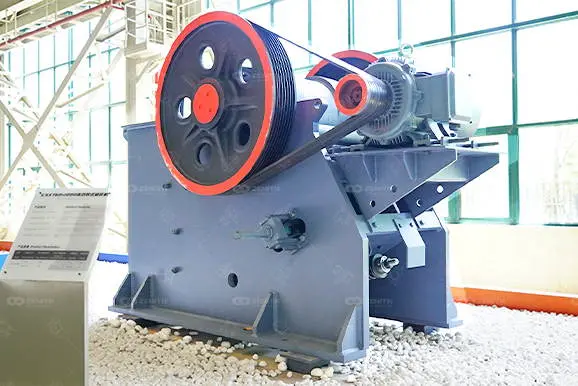
C6X Jaw Crusher

C6X Jaw Crusher

C6X Jaw Crusher is the latest generation of primary crusher. It adopts lots of advanced technologies and it has much...

Learn More
C5X Jaw Crusher

C5X Jaw Crusher

The C5X Jaw Crusher features a well-designed crushing chamber and outstanding motion characteristics, boasting a larger stroke and higher speed...

Learn More
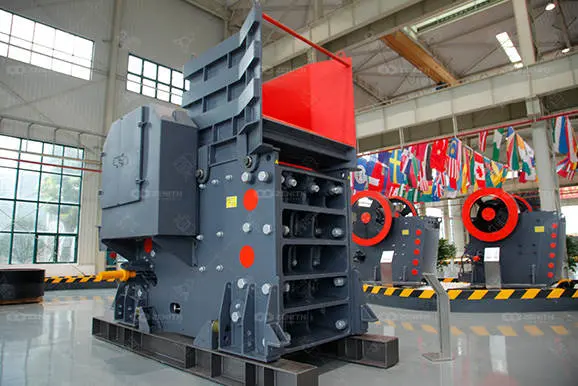
B Series VSI Impact Crusher

B Series VSI Impact Crusher

B Series VSI Impact Crusher is, commonly known as sand making machine, the basis for the development of B Deep-rotor...

Learn More
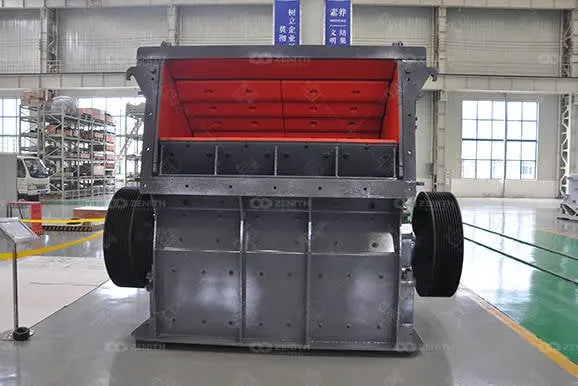
CI5X Impact Crusher

CI5X Impact Crusher

CI5X Impact Crusher often appears in the secondary crushing stage to process medium hard materials such as limestone, feldspar, calcite,...

Learn More
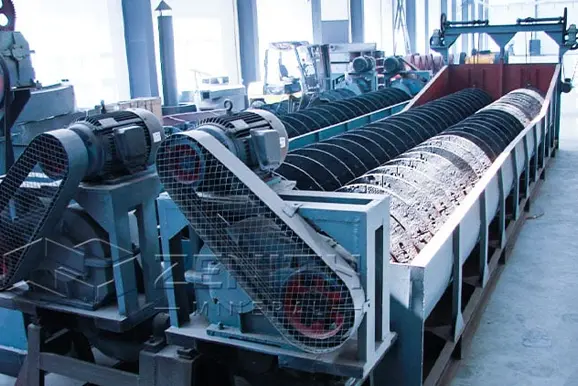
Spiral Classifier

Spiral Classifier

The spiral classifier can be classified into two types based on the number of screw shafts: single screw and double...

Learn More
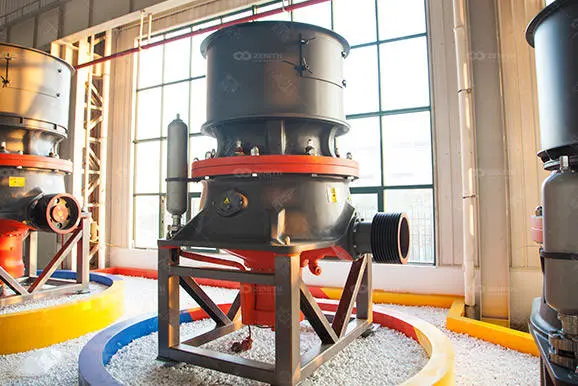
HST Hydraulic Cone Crusher

HST Hydraulic Cone Crusher

HST Single-cylinder Hydraulic Cone Crusher is one kind of professional hard rock crushers, which is often used as a secondary...

Learn More
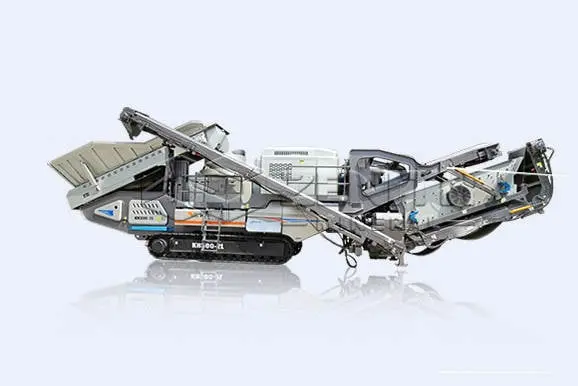
LD Series Mobile Crusher

LD Series Mobile Crusher

LD Mobile Crusher absorbs advanced crushing technologies. According to different needs, corresponding models can be chosen.

Learn More
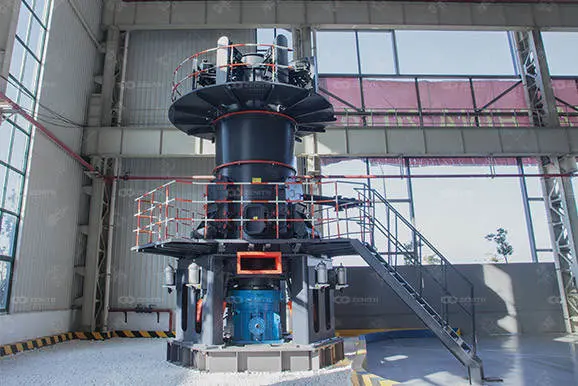
LUM Ultrafine Vertical Mill

LUM Ultrafine Vertical Mill

LUM Ultrafine Vertical Grinding Mill sets grinding, drying, classifying and transportation as a whole and takes little space.

Learn More
GF Vibrating Feeder

GF Vibrating Feeder

GF Vibrating Feeder is designed for portable or mobile crushers, semi-fixed crushing lines and small stock ground (capacity below 250t/h,...

Learn More

Project Cases

Sold to 180+ countries and regions, successfully helping customers build lots of stone crushing plants.
And the final aggregates are used to build highway, railway, airport and buildings, etc.
600t/h Metamorphic Sandstone Crushing Plant for Hydropower Station

600t/h Metamorphic Sandstone Crushing Plant for Hydropower Station

Ghana 100-120TPH Granite Portable Crushing Plant

Ghana 100-120TPH Granite Portable Crushing Plant

1000t/h Sand & Gravel Crushing Plant for Hydropower Station

1000t/h Sand & Gravel Crushing Plant for Hydropower Station

Dubai 550t/h Limestone Crushing Plant

Dubai 550t/h Limestone Crushing Plant

India 30TPH Limestone Grinding Plant

India 30TPH Limestone Grinding Plant

6-20TPH Water Permeable Brick Production Project

6-20TPH Water Permeable Brick Production Project

200t/h Granite Crushing Plant for Hydropower Station

200t/h Granite Crushing Plant for Hydropower Station

30,000TPY Cement Grinding Plant

30,000TPY Cement Grinding Plant

SHANGHAI ZENITH MINERAL CO.,LTD.

Certification

  • CE
  • SGS
  • ISO
  • GOST

Contact information

  • Whatsapp: +8613661969651
  • Email: info@chinagrindingmill.net
  • Website: www.chinagrindingmill.net
  • Address: No. 1688, East Gaoke Road, Shanghai, China

Our Solutions

50-100t/h Soft Rock Crushing Plant
50-100t/h Hard Rock Crushing Plant
100-150t/h Soft Rock Crushing Plant
100-150t/h Hard Rock Crushing Plant
150-200t/h Soft Rock Crushing Plant
150-180t/h Hard Rock Crushing Plant

Cases

Ghana 100-120TPH Granite Portable Crushing Plant
Dubai 550t/h Limestone Crushing Plant
Philippines 80TPH River Pebble Crushing Plant
Turkey Copper Ore Crushing Plant

Resources

Librarys
FAQs
Downloads

About Us

Copyright © 2025 SHANGHAI ZENITH MINERAL CO.,LTD. All Rights Reserved.