Flowchart methodologies are essential tools in industrial mineral processing systems. They provide a visual representation of the processes involved, helping engineers and operators optimize operations, troubleshoot issues, and ensure efficient workflow. This article explores how flowchart methodologies are applied in industrial mineral processing systems, highlighting their benefits and applications.
Flowcharts are diagrammatic representations that illustrate the sequence of operations in a process. In industrial mineral processing, flowcharts are used to map out the steps involved in transforming raw minerals into usable products. These visual tools help in understanding complex processes, identifying potential bottlenecks, and improving overall efficiency.
Flowchart methodologies are applied at various stages of mineral processing to ensure the effective transformation of raw materials into finished products. Below are the key stages where flowcharts are utilized:
– Input: Raw mineral ore
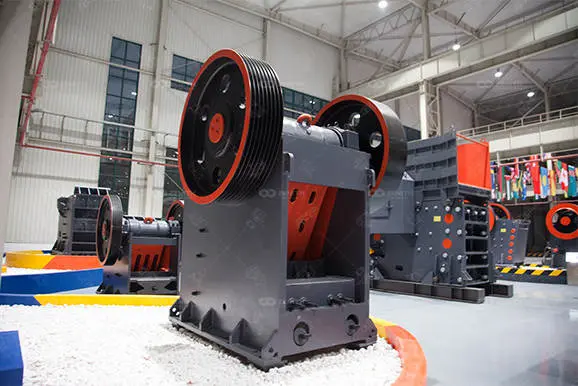
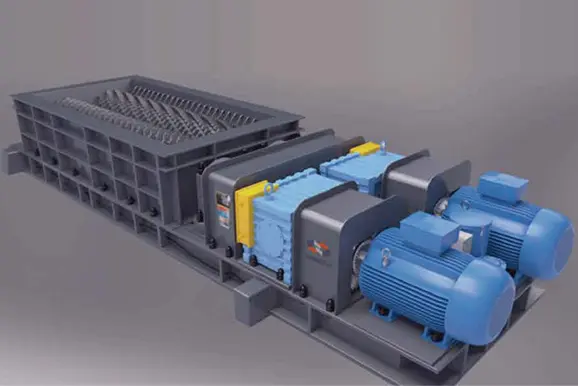
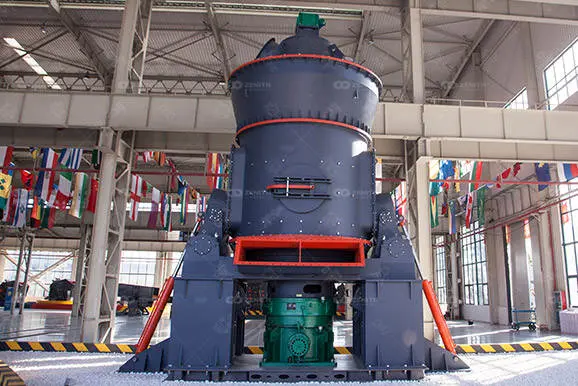
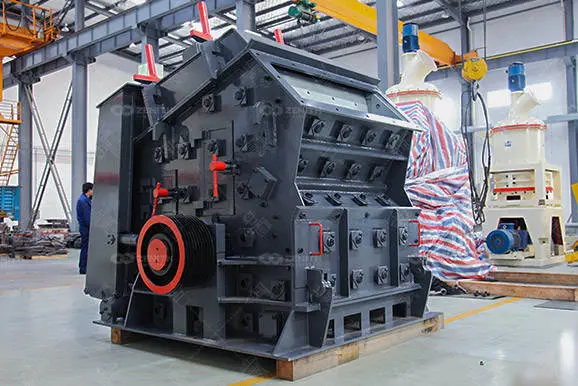
– Processes: Crushing, grinding
– Output: Milled ore
– Input: Milled ore
– Processes: Froth flotation, magnetic separation, gravity separation
– Output: Concentrated mineral
– Input: Concentrated mineral
– Processes: Thickening, filtration, drying
– Output: Dry mineral concentrate
– Input: Dry mineral concentrate
– Processes: Smelting, refining
– Output: Pure metal
To design effective flowcharts for mineral processing, consider the following guidelines:
Flowchart methodologies play a crucial role in industrial mineral processing systems by providing a clear and visual representation of complex processes. They enhance communication, facilitate problem-solving, and promote process standardization. By effectively applying flowchart methodologies, industries can optimize their mineral processing operations, leading to increased efficiency and productivity.