What is a belt conveyor machine
Time:12 September 2025
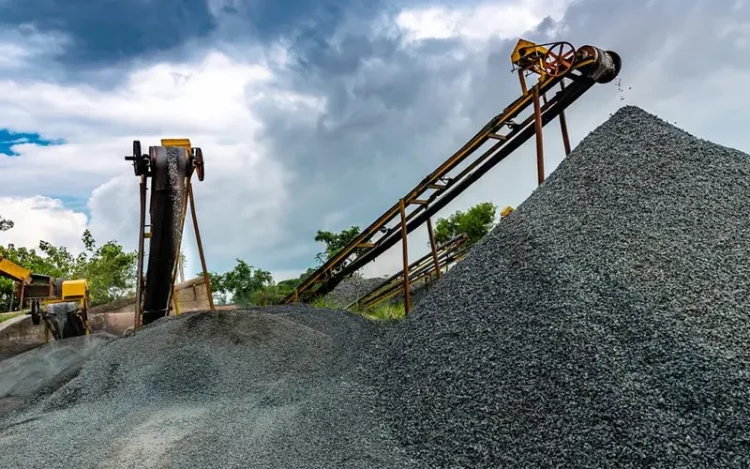
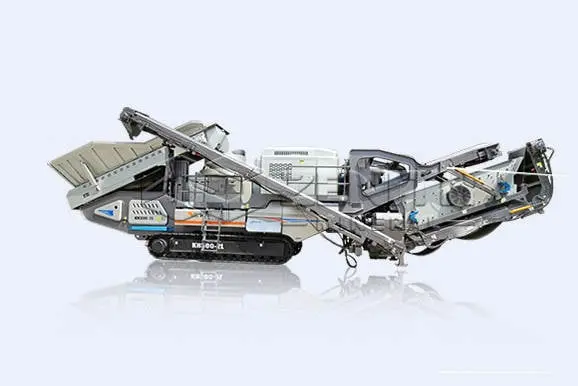
A belt conveyor machine is a mechanical device used for the transportation of materials from one location to another. It is widely utilized in various industries, including manufacturing, mining, agriculture, and logistics, due to its efficiency and versatility.
Components of a Belt Conveyor Machine
Understanding the components of a belt conveyor machine is essential for its operation and maintenance. Below are the primary components:
1. Conveyor Belt
- Material: Typically made from rubber, PVC, or other synthetic materials.
- Function: Serves as the surface that carries the materials.
- Types: Flat belts, trough belts, and modular belts.
2. Frame
- Material: Usually constructed from steel or aluminum.
- Function: Provides structural support to the conveyor system.
3. Drive Unit
- Components: Includes motors, gearboxes, and drive pulleys.
- Function: Powers the conveyor belt to move materials.
4. Idler Rollers
- Function: Support the belt and help maintain its alignment.
- Types: Carrying rollers, return rollers, and impact rollers.
5. Pulleys
- Types: Drive pulley and tail pulley.
- Function: Facilitate the movement of the belt.
Working Principle
The belt conveyor machine operates on a simple principle: the belt is looped around two or more pulleys, and the drive pulley is powered by a motor. As the motor turns the drive pulley, the belt moves, transporting materials along its length.
Types of Belt Conveyor Machines
Belt conveyors come in various types, each suited for specific applications:
1. Flat Belt Conveyors
- Application: Ideal for transporting items on a flat surface.
- Industries: Commonly used in manufacturing and packaging.
2. Trough Belt Conveyors
- Application: Suitable for bulk material handling.
- Industries: Widely used in mining and agriculture.
3. Modular Belt Conveyors
- Application: Offers flexibility and easy maintenance.
- Industries: Used in food processing and automotive industries.
Advantages of Belt Conveyor Machines
Belt conveyor machines offer several benefits, making them a popular choice in various industries:
- Efficiency: Capable of transporting large volumes of materials quickly.
- Versatility: Can be customized for different applications and environments.
- Cost-Effective: Reduces labor costs and increases productivity.
- Safety: Minimizes manual handling, reducing the risk of injuries.
Maintenance of Belt Conveyor Machines
Proper maintenance is crucial to ensure the longevity and efficient operation of belt conveyor machines. Here are some maintenance tips:
Regular Inspections
- Check: Inspect belts, rollers, and pulleys for wear and damage.
- Frequency: Conduct inspections at regular intervals.
Lubrication
- Purpose: Ensures smooth operation of moving parts.
- Components: Focus on bearings and drive units.
Alignment
- Importance: Prevents belt misalignment and reduces wear.
- Method: Regularly check and adjust the alignment of the belt.
Conclusion
Belt conveyor machines are indispensable in modern industrial settings due to their ability to efficiently transport materials. Understanding their components, types, advantages, and maintenance requirements can help optimize their use and extend their service life. Whether in manufacturing, mining, or logistics, belt conveyors continue to be a vital part of the material handling process.