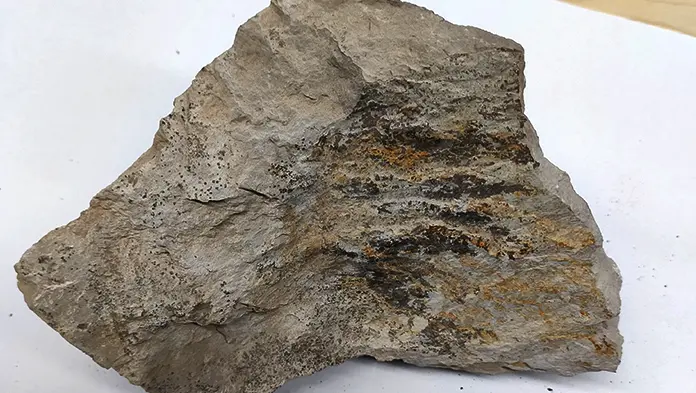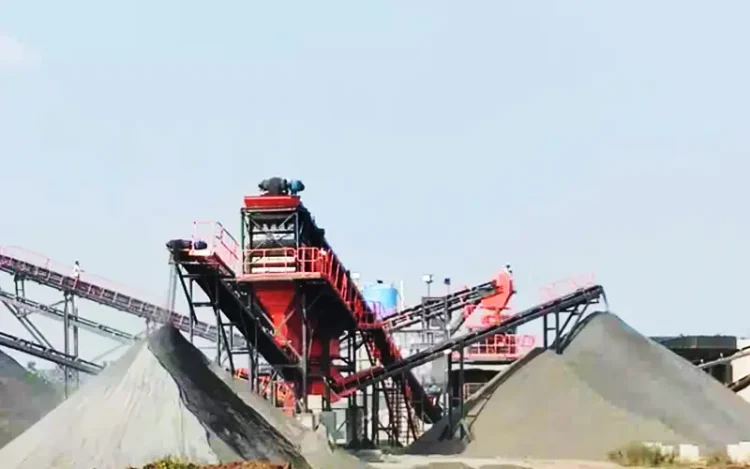
Gypsum plays a critical role in the cement manufacturing process, particularly during the grinding of clinker. This article explores the purpose of adding gypsum at the mill when clinker is ground, detailing its functions and benefits in cement production.
Before delving into the role of gypsum, it’s essential to understand the basic components involved in cement production:
Gypsum is added to clinker during the final grinding process to regulate several properties of the finished product. Below are the key reasons for its inclusion:
One of the primary purposes of adding gypsum is to control the setting time of cement. Without gypsum, cement would set almost immediately after mixing with water, making it impractical for construction purposes.
Flash setting refers to the rapid hardening of cement without the addition of gypsum. This phenomenon can lead to:
Gypsum acts as a retarder, preventing flash setting and ensuring a consistent and reliable product.
Gypsum contributes to the overall quality of cement by:
The addition of gypsum to clinker involves a chemical reaction that is crucial for the desired properties of cement:
The amount of gypsum added to clinker is critical and typically ranges between 3-5% by weight. The optimal content depends on:
In summary, the addition of gypsum during the grinding of clinker is an essential step in cement production. It regulates the setting time, prevents flash setting, and enhances the overall quality of the cement. Understanding the role of gypsum helps in producing a reliable and effective construction material that meets the demands of various engineering and architectural applications.