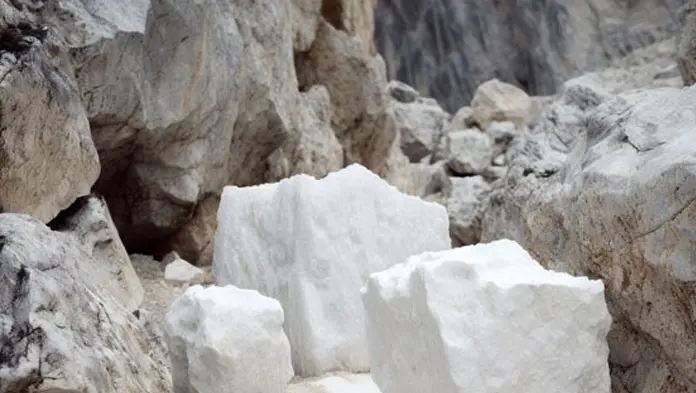
Dolomite, with hardness of 3.5-4 and specific gravity of 2.85-2.9, is widely distributed in nature.
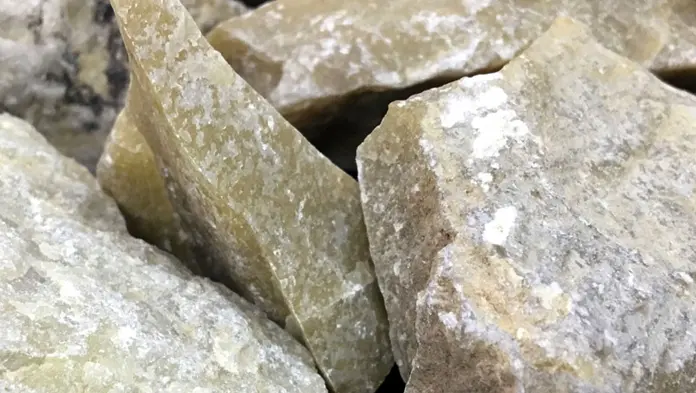
Pyrophyllite is a white, silvery, or green micaceous mineral that consists of hydrated aluminium silicate in monoclinic crystalline form and occurs in metamorphic rocks.
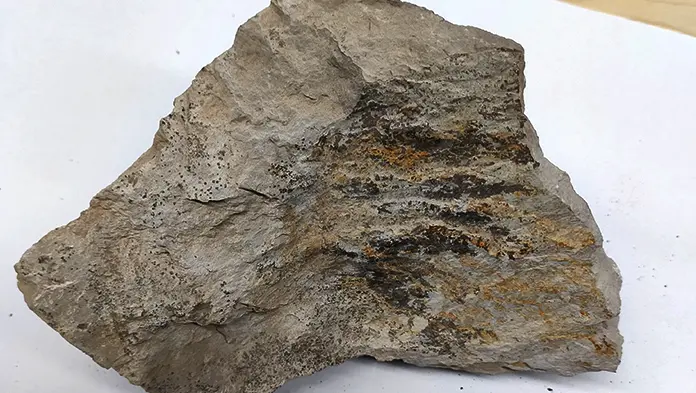
Bauxite is a kind of mineral which is often collectively formed by gibbsite, boehmite or diaspore. The Moh’s hardness is 1-3.
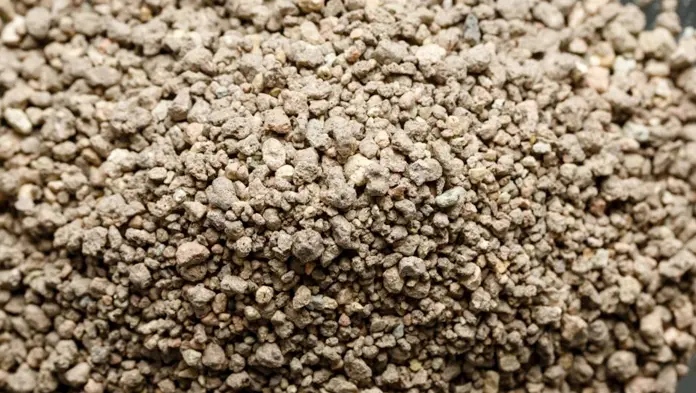
Bentonite is usually created from volcanic ash that has been disintegrated by water.
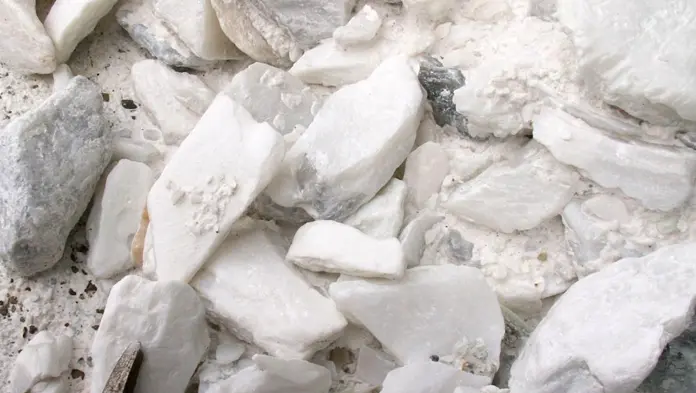
Talc is a hydrous magnesium silicate mineral. Although the composition of talc usually stays close to this generalized formula, some substitution occurs.
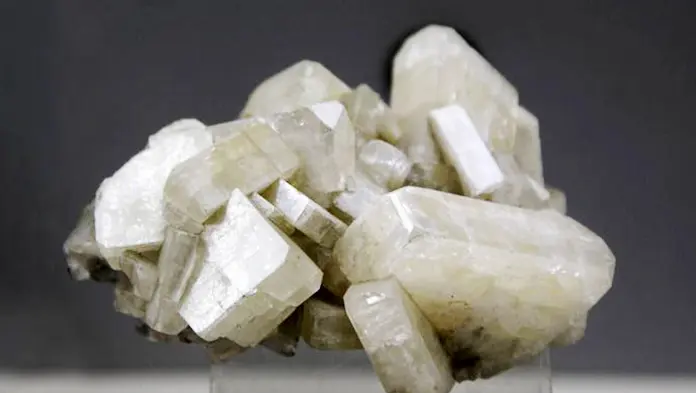
Barite is the most common mineral of barium (Ba) and its composition is barium sulfate.
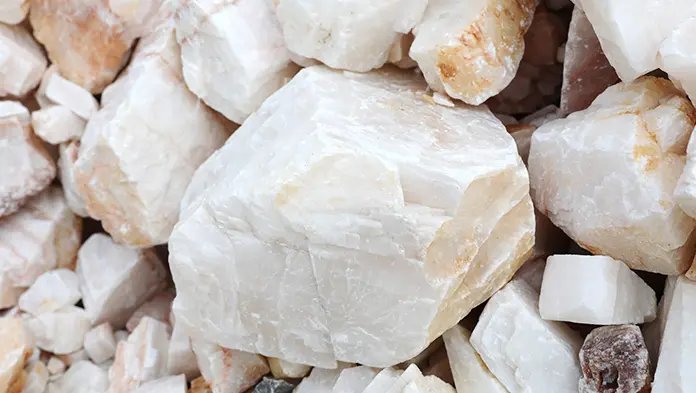
The widely distributed calcite is also known as stalactite with the hardness within 2.7-3.0 and specific gravity within 2.6-2.8.
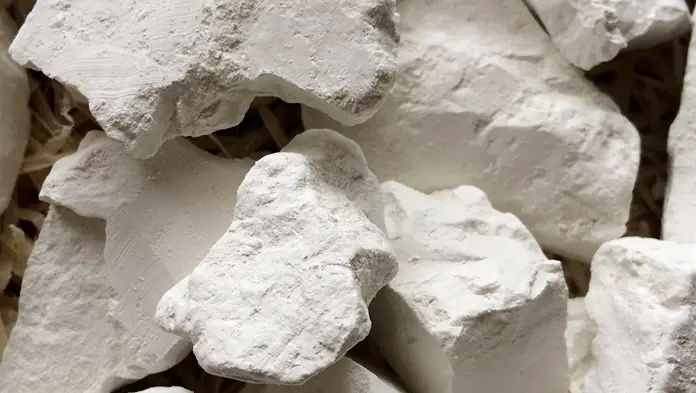
Kaolin belongs to non-metallic mineral which is a kind of clay or claystone dominated by kaolinite clay minerals.
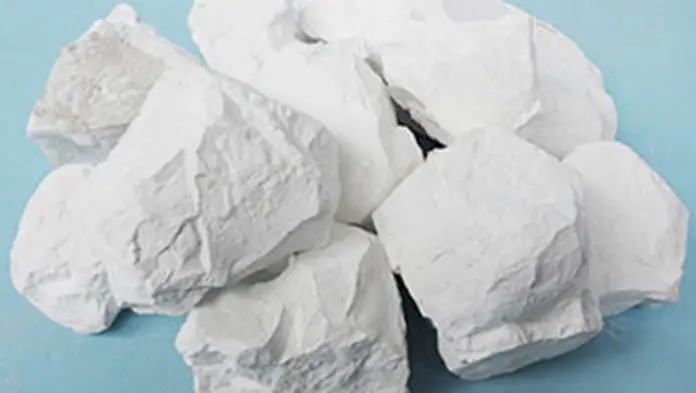
Gypsum is widely used as industrial and construction material. Usually, the gypsum includes plaster stone and anhydrite.
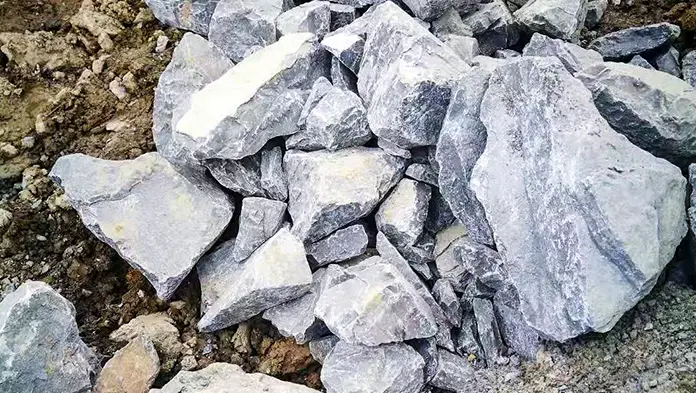
Limestone, widely used as aggregates material in the quarry industry, holds significant importance in cement, GCC, and other industries.
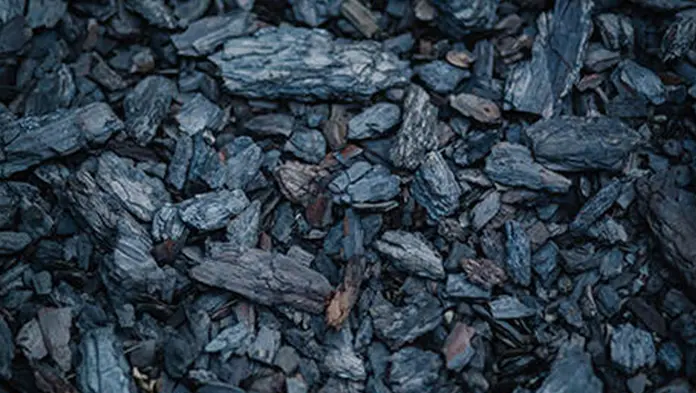
Coal is a combustible, sedimentary rock with a brownish-black or even entirely black color.
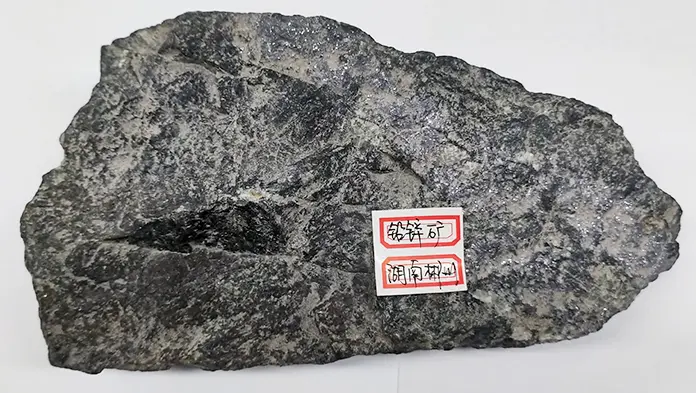
Lead-zinc ore refers to the mineral deposits rich in the metallic elements lead and zinc.