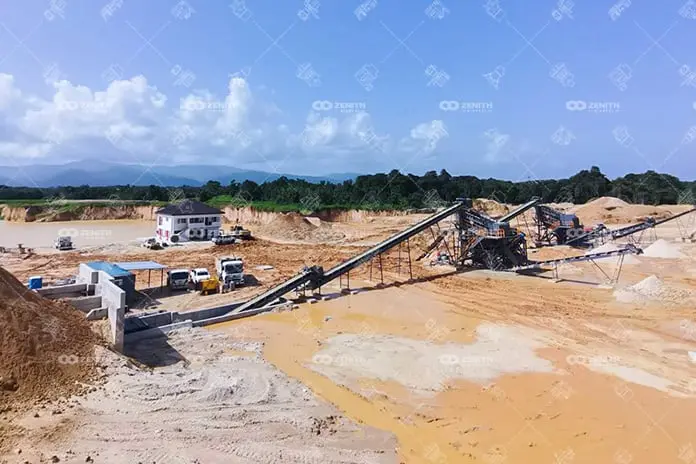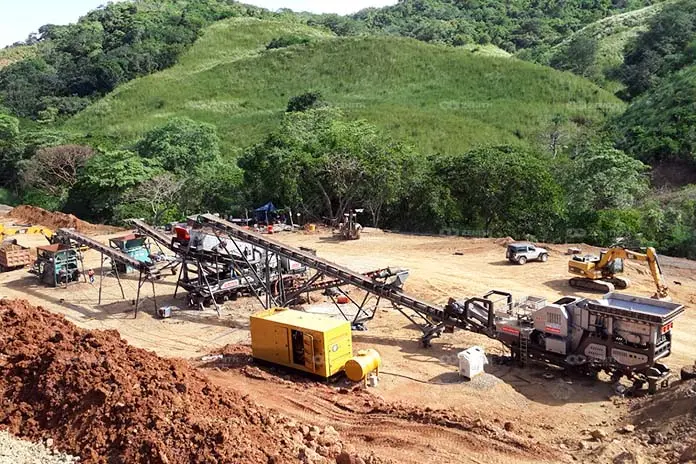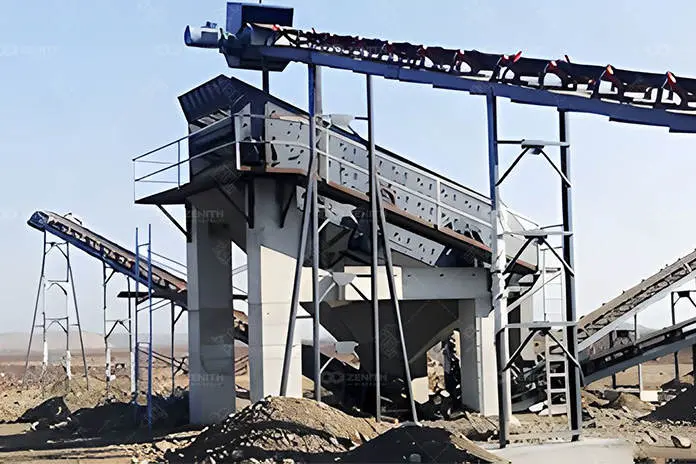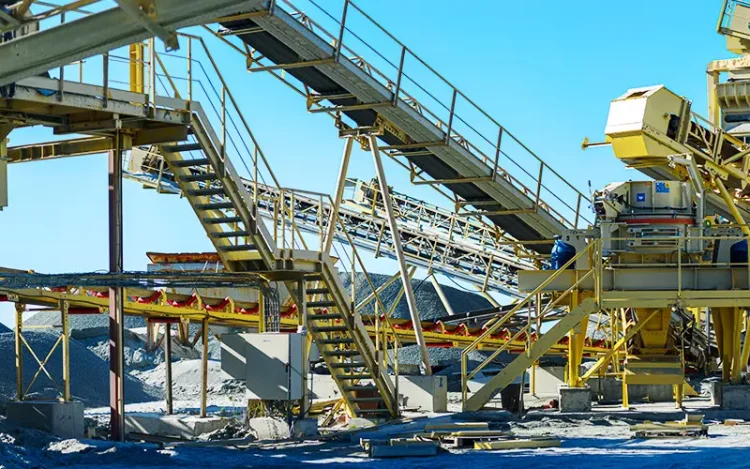
Copper ore crushing plants are critical in the mining industry, as they transform raw copper ore into smaller, more manageable pieces for further processing. Configuring these plants for maximum efficiency involves several strategic considerations, from selecting the right equipment to optimizing operational processes. This article explores the key components and strategies involved in configuring a copper ore crushing plant for optimal performance.
A copper ore crushing plant typically consists of several core components, each playing a vital role in the overall process:
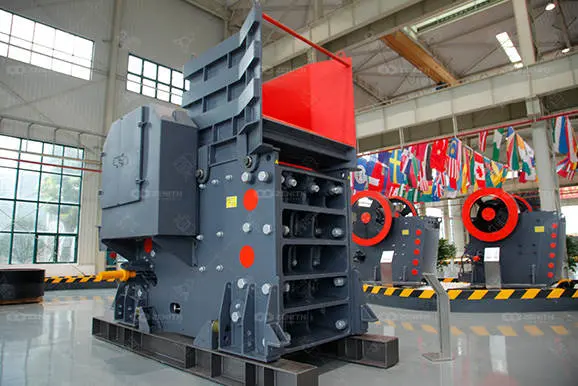
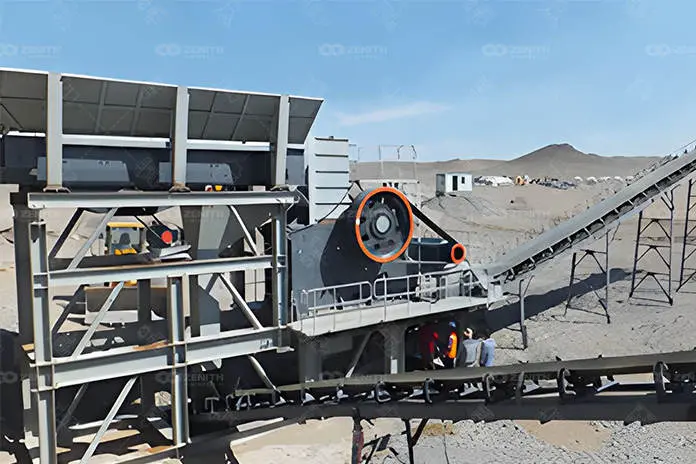
– Function: Reduces large chunks of raw copper ore into smaller, manageable pieces.
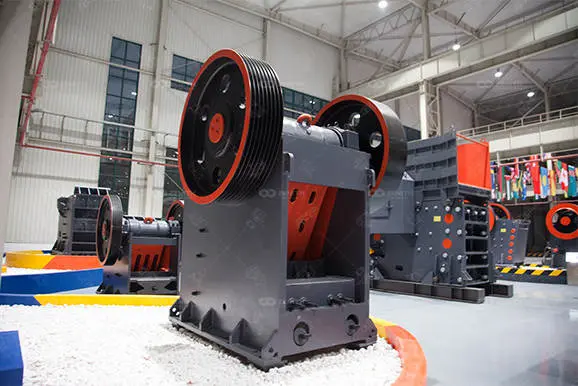
– Types: Jaw crushers and gyratory crushers are commonly used.
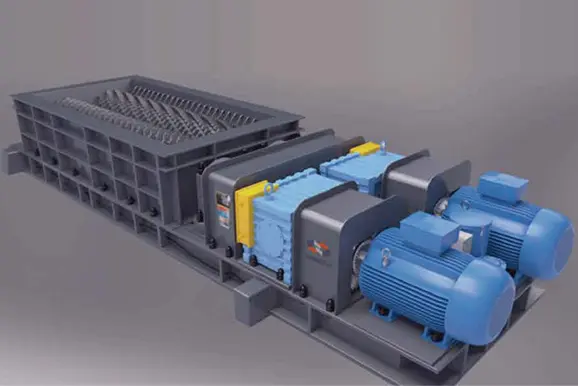
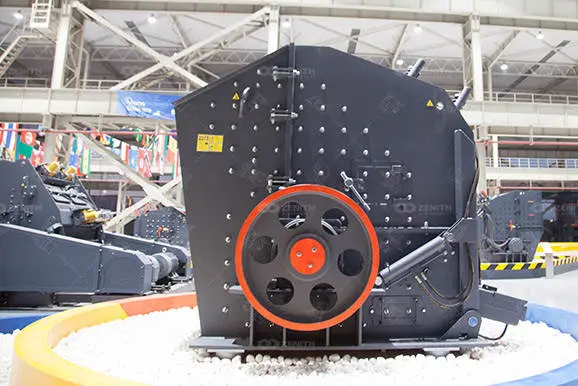
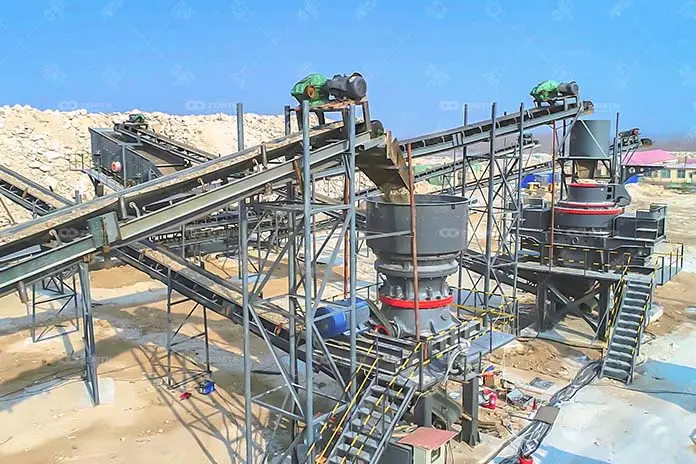
– Function: Further reduces ore size after primary crushing.
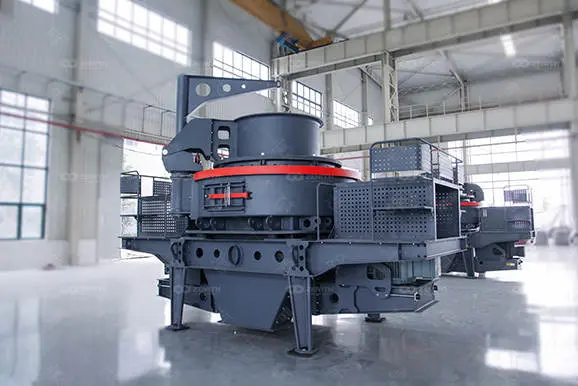
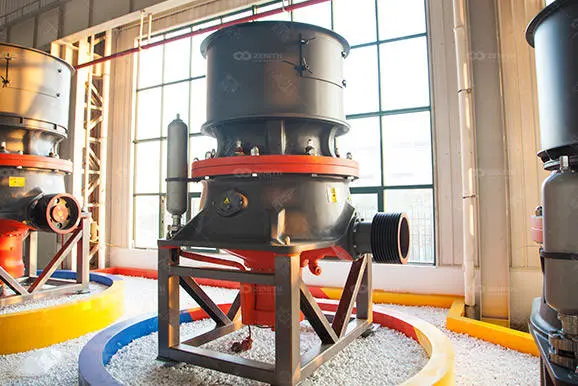
– Types: Cone crushers and impact crushers are often employed.
– Function: Separates crushed ore based on size, ensuring uniformity for further processing.
– Types: Vibrating screens are widely used.
– Function: Transport crushed ore between different stages of the crushing process.
– Types: Belt conveyors are standard in most plants.
– Function: Temporarily store and regulate the flow of ore to the crushers.
– Types: Surge bins and apron feeders are common.
To achieve maximum efficiency in a copper ore crushing plant, several strategies should be implemented:
Advanced monitoring and control systems are integral to maximizing plant efficiency:
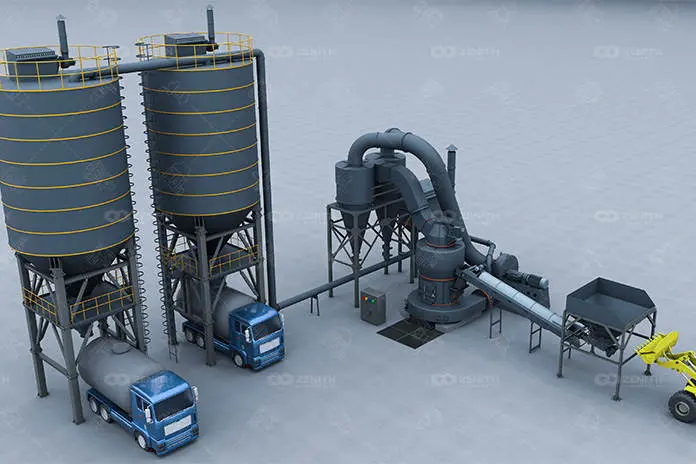
Configuring a copper ore crushing plant for maximum efficiency requires careful consideration of equipment selection, process optimization, energy efficiency, and plant layout. By implementing advanced monitoring and control systems, mining operations can enhance productivity, reduce costs, and ensure a steady supply of processed ore for further refinement. Adopting these strategies will not only improve operational efficiency but also contribute to sustainable mining practices.