What Advanced Screening Techniques Optimize Quartz Powder Processing
Time:28 October 2025
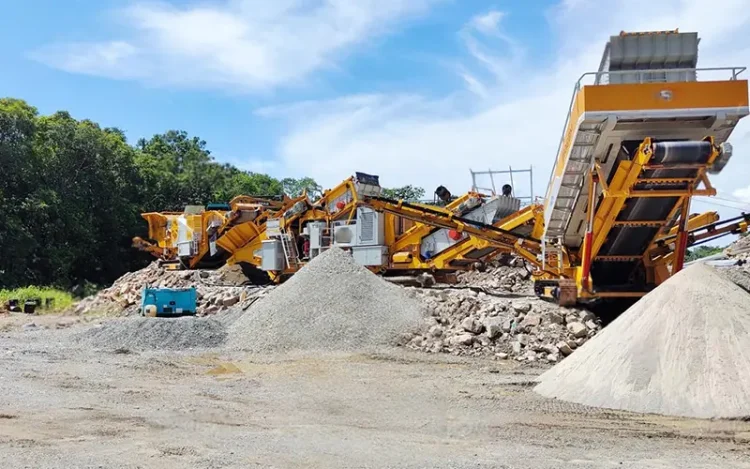
Quartz powder processing is a critical aspect of various industrial applications, including glass manufacturing, electronics, and construction. The quality and purity of quartz powder significantly affect the performance and durability of the end products. Advanced screening techniques play a vital role in optimizing quartz powder processing by ensuring the removal of impurities and achieving the desired particle size distribution. This article explores the advanced screening techniques that enhance quartz powder processing.
Importance of Screening in Quartz Powder Processing
Screening is a fundamental step in the processing of quartz powder. It involves separating particles based on size, which is crucial for:
- Ensuring Uniformity: Consistent particle size distribution is essential for maintaining the quality of quartz powder.
- Removing Impurities: Screening helps in eliminating unwanted materials that can affect the purity of the powder.
- Enhancing Product Performance: Properly screened quartz powder contributes to better performance in end-use applications.
Advanced Screening Techniques
Several advanced screening techniques have been developed to optimize quartz powder processing. These techniques focus on improving efficiency, accuracy, and throughput.
1. High-Frequency Vibrating Screens
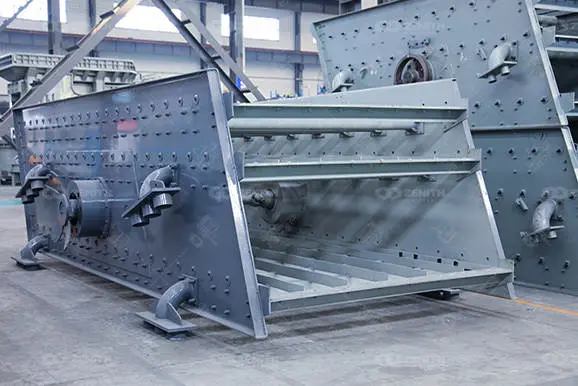
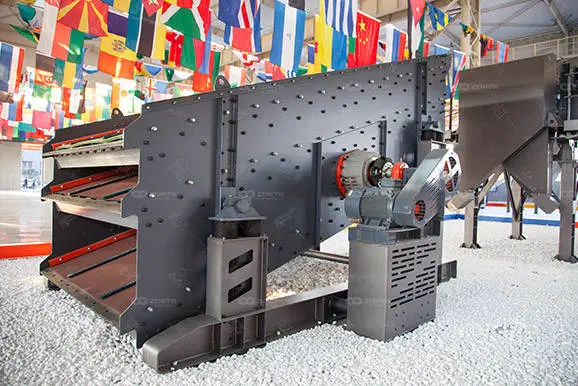
High-frequency vibrating screens are widely used in quartz powder processing due to their ability to:
- Increase Screening Efficiency: The high frequency allows for better separation of fine particles.
- Reduce Blinding: The rapid vibration minimizes the risk of screen blinding, ensuring continuous operation.
- Enhance Throughput: These screens can handle larger volumes, making them suitable for industrial-scale operations.
2. Ultrasonic Screening
Ultrasonic screening employs high-frequency sound waves to improve the screening process. This technique offers several advantages:
- Improved Precision: Ultrasonic waves enhance the separation of fine particles, resulting in a more precise particle size distribution.
- Reduced Contamination: The non-contact nature of ultrasonic screening minimizes the risk of contamination.
- Lower Maintenance: The reduced mechanical stress leads to less wear and tear, decreasing maintenance requirements.
3. Airflow Screening
Airflow screening utilizes air streams to separate particles based on size and density. This method is beneficial for:
- Handling Fine Powders: Airflow screening is particularly effective for processing ultra-fine quartz powders.
- Minimizing Agglomeration: The air stream helps in breaking down agglomerates, ensuring a uniform particle distribution.
- Energy Efficiency: This technique requires less energy compared to mechanical screening methods.
Factors Influencing Screening Efficiency
Several factors can impact the efficiency of screening techniques in quartz powder processing:
- Particle Characteristics: Size, shape, and density of the particles affect the screening process.
- Screening Equipment: The design and configuration of the screening equipment play a crucial role in determining efficiency.
- Operational Parameters: Factors such as feed rate, screen angle, and vibration frequency need to be optimized for best results.
Conclusion
Advanced screening techniques are essential for optimizing quartz powder processing. By employing high-frequency vibrating screens, ultrasonic screening, and airflow screening, industries can achieve better precision, efficiency, and throughput. Understanding the factors influencing screening efficiency allows for further optimization, ensuring the production of high-quality quartz powder suitable for various applications. As technology continues to evolve, these techniques will likely become even more sophisticated, contributing to enhanced processing capabilities and product quality.