info@chinagrindingmill.net
+8613661969651
english En
English 中文版 Hindi Spanish French Arabic Bengali Russian Portuguese Indonesian Urdu German Japanese Swahili Turkish Italian Korean Vietnamese Tamil Punjabi Persian (Farsi) Thai Dutch Polish Ukrainian Romanian Greek Hebrew Swedish Czech Hungarian Danish Finnish Norwegian Malay Tagalog (Filipino) Gujarati Kannada Burmese Amharic Hausa Somali Yoruba Zulu Afrikaans Nepali Sinhala Khmer Lao Mongolian Javanese Telugu Marathi Malayalam Uyghur
SHANGHAI ZENITH MINERAL CO.,LTD. SHANGHAI ZENITH MINERAL CO.,LTD.
  • Home
  • About
  • Products
    Mobile CrusherStone CrusherGrinding MillsModular CrushersMining Equipment
  • Cases
  • Solutions
  • Library
  • Contact
  • Quote Now
  • Home
  • Downloads
  • What role does gypsum play in the manufacture of cement

What role does gypsum play in the manufacture of cement

Time:23 September 2025

Gypsum is a crucial component in the production of cement, serving several essential functions that contribute to the quality and performance of the final product. This article explores the role of gypsum in cement manufacture, detailing its functions, benefits, and the processes involved.

Introduction to Gypsum

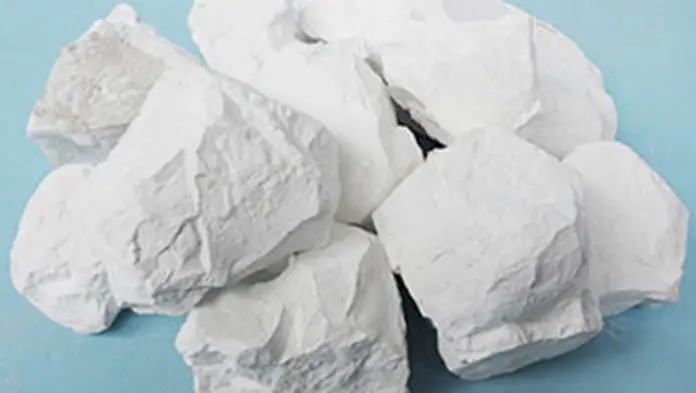
Gypsum is a soft sulfate mineral composed of calcium sulfate dihydrate (CaSO₄·2H₂O). It is widely used in various industries, including construction, agriculture, and manufacturing. In cement production, gypsum plays a vital role in controlling the setting time and improving the overall properties of cement.

Functions of Gypsum in Cement

Gypsum serves multiple functions in the cement manufacturing process:

  • Setting Time Regulation

– Gypsum is primarily added to cement to control the setting time. Without gypsum, cement would set too quickly, making it difficult to work with and potentially compromising structural integrity.

– By slowing down the hydration process of cement, gypsum allows for adequate time for mixing, transporting, and placing the concrete.

  • Improvement of Workability

– Gypsum enhances the workability of cement, making it easier to mix and apply.

– It helps in achieving a smoother texture and consistency, which is crucial for construction applications.

  • Reduction of Shrinkage

– Gypsum contributes to reducing shrinkage in cement, minimizing the risk of cracks and structural failures.

– It helps maintain the dimensional stability of concrete structures.

Benefits of Using Gypsum in Cement

The inclusion of gypsum in cement offers several benefits:

  • Enhanced Durability

– Gypsum improves the durability of cement by preventing rapid setting and reducing the risk of early-age cracking.

  • Cost-Effectiveness

– Gypsum is a cost-effective additive that enhances the performance of cement without significantly increasing production costs.

  • Environmental Impact

– Gypsum is a natural mineral that is abundantly available, making it an environmentally friendly choice for cement production.

Cement Manufacturing Process Involving Gypsum

The process of incorporating gypsum into cement involves several steps:

  • Extraction and Preparation

– Gypsum is extracted from mines and then crushed into a fine powder.

– The prepared gypsum powder is stored and ready for use in cement manufacturing.

  • Mixing with Clinker

– During the cement manufacturing process, gypsum is mixed with clinker (the main component of cement) in specific proportions.

– The typical ratio is about 3-5% gypsum to clinker, although this can vary depending on the desired properties of the cement.

  • Grinding

– The mixture of clinker and gypsum is ground together to produce cement powder.

– This grinding process ensures that gypsum is evenly distributed throughout the cement, facilitating uniform setting and hardening.

  • Quality Control

– Throughout the manufacturing process, quality control measures are implemented to ensure the correct proportions and consistency of the cement.

Conclusion

Gypsum plays a pivotal role in the manufacture of cement, influencing its setting time, workability, and durability. By understanding the functions and benefits of gypsum, manufacturers can produce high-quality cement that meets the demands of various construction applications. The integration of gypsum into the cement production process highlights its importance as a reliable and effective additive, contributing to the overall success of cement as a building material.


  • Previous: What kind of dust bags use in cement crusher mill
  • Next: What are the advantages of different types of rock crushers

Main Products

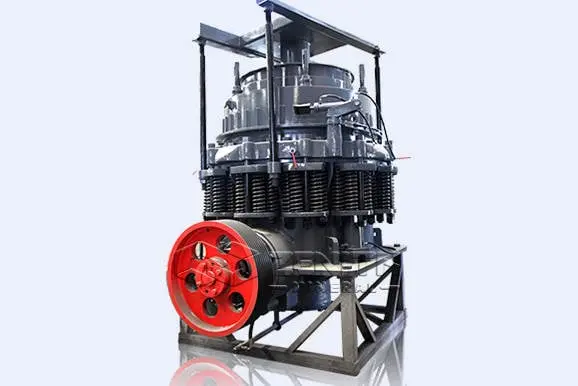
S Spring Cone Crusher

S Spring Cone Crusher

Based on the lamination crushing principle and concept of crushing more and grinding less, S Spring Cone Crusher was released.

Learn More
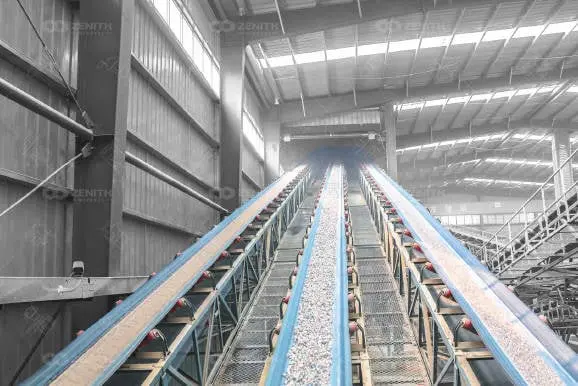
Belt Conveyor

Belt Conveyor

ZENITH’s Belt Conveyor is stable and compact and can be easily installed. It is an ideal upgrading and substitute product...

Learn More
B Vertical Shaft Impact Crusher

B Vertical Shaft Impact Crusher

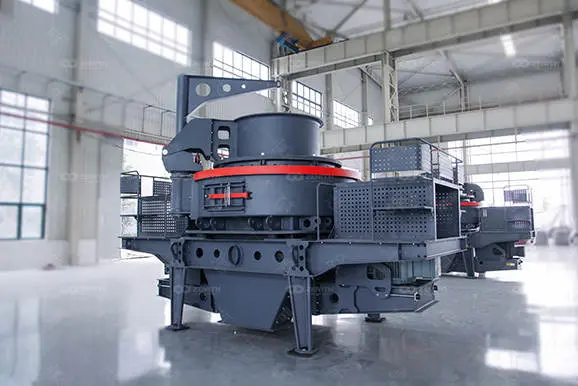
B Deep-rotor Vertical-shaft Impact Crusher combines three crushing modes into one and has become excellent equipment in manufactured sand production...

Learn More
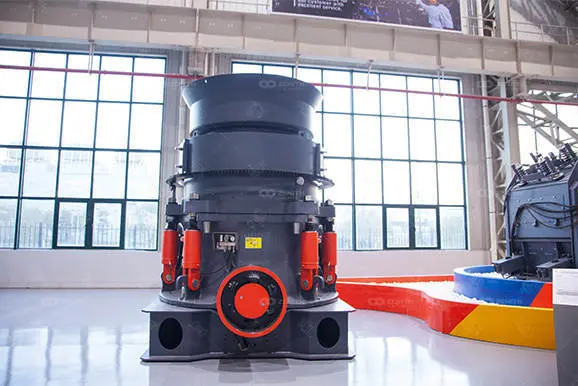
HPT Hydraulic Cone Crusher

HPT Hydraulic Cone Crusher

HPT Multi-cylinder Hydraulic Cone Crusher often appears in the secondary crushing stage. The use of hydraulic devices makes maintenance easier.

Learn More
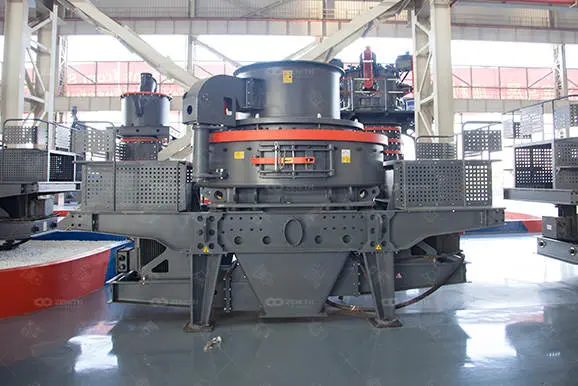
VSI6X Sand Making Machine

VSI6X Sand Making Machine

VSI6X Vertical Shaft Impact Crusher, also known as VSI6X Sand-making Machine, can be used in both sand making and reshaping...

Learn More
XSD Sand Washer

XSD Sand Washer

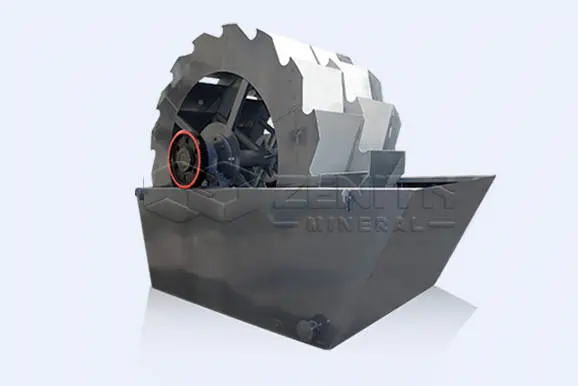
XSD Sand Washer is widely used for cleaning materials in the following industries: quarry, minerals, building materials, cement mixture station...

Learn More
LSX Sand Washer

LSX Sand Washer

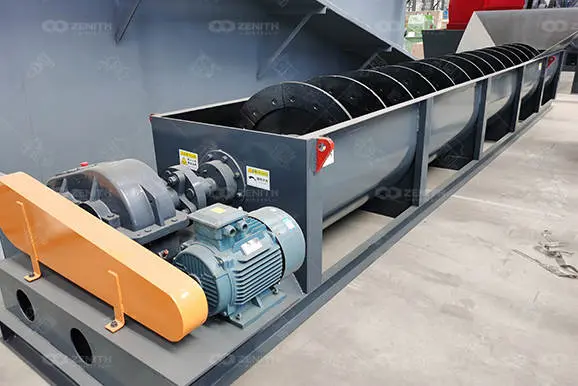
LSX Sand Washer often appears in sand processing sites, electric pole factories, building work sites and concrete dams. It has...

Learn More
MTW Trapezium Grinding Mill

MTW Trapezium Grinding Mill

MTW Euro-type Trapezium Mill owns many independent patents, such as overall prick gear drive, internal thin oil lubrication system, arc-shaped...

Learn More
YK Vibrating Screen

YK Vibrating Screen

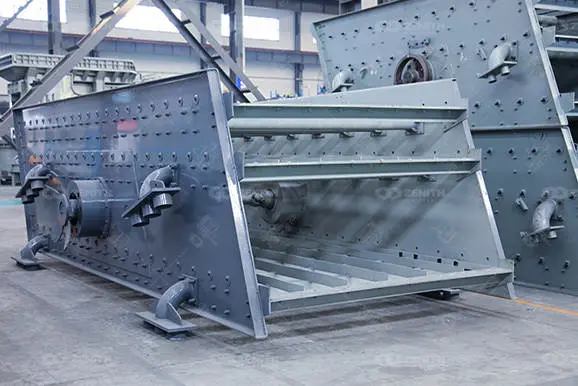
YK Vibrating Screen appears in such fields as ore beneficiation, aggregates production, solid wastes disposal and coal dressing.

Learn More
LM Vertical Grinding Mill

LM Vertical Grinding Mill

LM Vertical Grinding Mill integrates five functions of crushing, grinding, powder selection, drying and material conveying.

Learn More

Solutions

We have more than 5000 cases around the world and provide a full range of solutions.
COPPER ORE CRUSHING PLANTS DESIGN

COPPER ORE CRUSHING PLANTS DESIGN

GYPSUM GRINDING PLANTS DESIGN

GYPSUM GRINDING PLANTS DESIGN

DOLOMITE GRINDING PLANTS DESIGN

DOLOMITE GRINDING PLANTS DESIGN

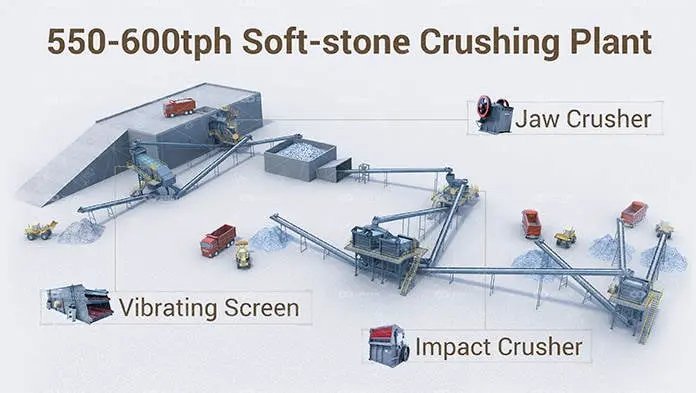
550-600t/h Soft Rock Crushing Plant

550-600t/h Soft Rock Crushing Plant

GRANITE CRUSHING PLANTS DESIGN

GRANITE CRUSHING PLANTS DESIGN

GRAVEL CRUSHING PLANTS DESIGN

GRAVEL CRUSHING PLANTS DESIGN

300t/h Hard Rock Portable Crushing Plant

300t/h Hard Rock Portable Crushing Plant

200t/h Soft Rock Portable Crushing Plant

200t/h Soft Rock Portable Crushing Plant

SHANGHAI ZENITH MINERAL CO.,LTD.

Certification

  • CE
  • SGS
  • ISO
  • GOST

Contact information

  • Whatsapp: +8613661969651
  • Email: info@chinagrindingmill.net
  • Website: www.chinagrindingmill.net
  • Address: No. 1688, East Gaoke Road, Shanghai, China

Our Solutions

50-100t/h Soft Rock Crushing Plant
50-100t/h Hard Rock Crushing Plant
100-150t/h Soft Rock Crushing Plant
100-150t/h Hard Rock Crushing Plant
150-200t/h Soft Rock Crushing Plant
150-180t/h Hard Rock Crushing Plant

Cases

Ghana 100-120TPH Granite Portable Crushing Plant
Dubai 550t/h Limestone Crushing Plant
Philippines 80TPH River Pebble Crushing Plant
Turkey Copper Ore Crushing Plant

Resources

Librarys
FAQs
Downloads

About Us

Copyright © 2025 SHANGHAI ZENITH MINERAL CO.,LTD. All Rights Reserved.