What Factors Determine Crushing Equipment Pricing for Mineral Processing Plants?
Time:
31 October 2025
The pricing for crushing equipment in mineral processing plants is influenced by multiple factors. These factors include both technical and economic considerations. Below is an overview detailing these key determinants:
1. Equipment Specifications & Type
- Capacity: Larger equipment with higher processing capacity generally comes at a higher cost.
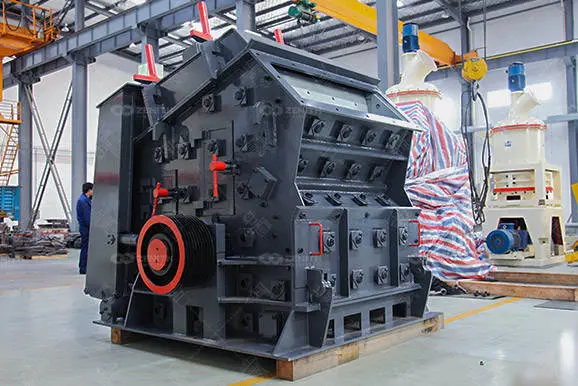
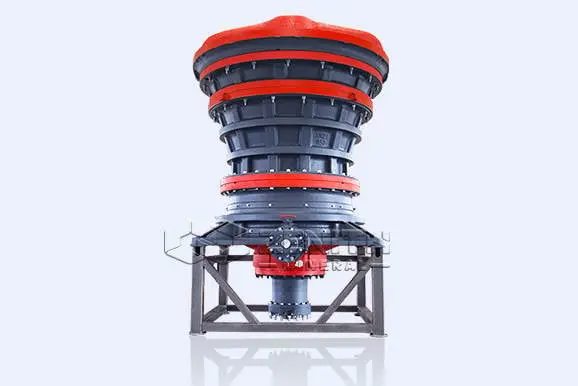
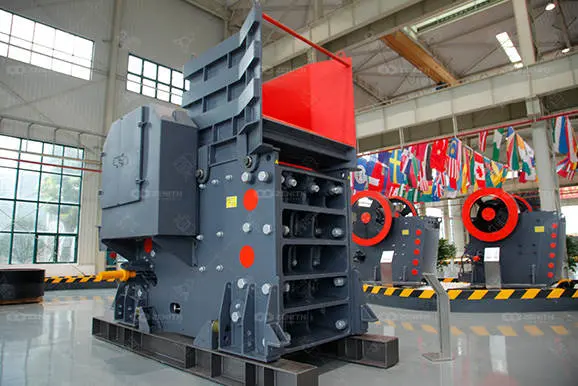
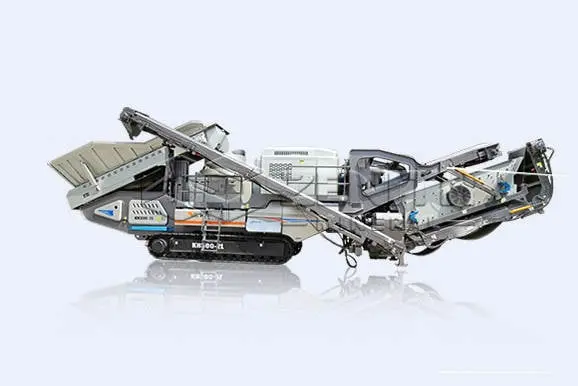
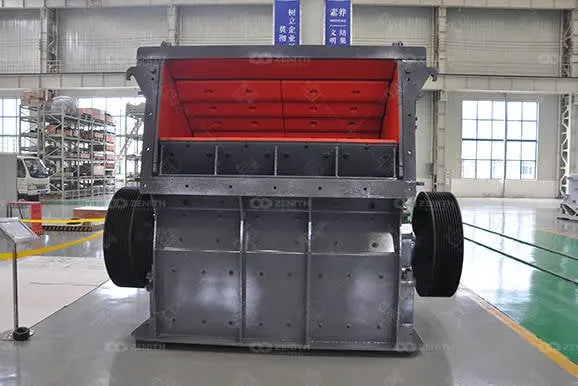
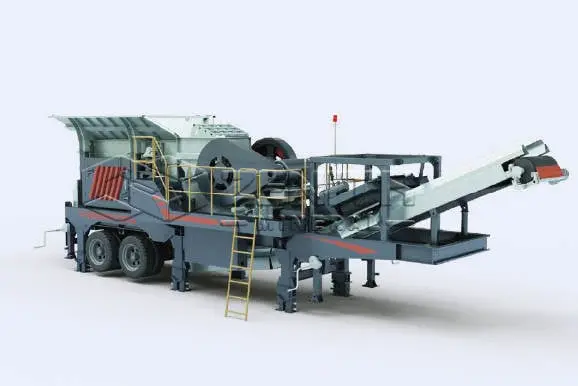
- Type of Crusher: Different crushers (e.g., jaw crusher, cone crusher, impact crusher, gyratory crusher) vary in cost due to their design, performance specifications, and intended applications.
- Efficiency: Energy-efficient equipment or models with advanced features tend to demand a premium price.
2. Material Characteristics
- Hardness and Abrasiveness: Crushers that can handle harder and more abrasive materials may be more expensive due to design considerations and specialized materials like wear-resistant alloys.
- Feed Size and Output Size: The price varies based on the crushing equipment’s ability to handle specific feed and output size requirements.
3. Build Quality and Durability
- Material Composition: Crushers built with high-quality steel, castings, or wear-resistant components will have higher initial costs.
- Lifespan: Longer-lasting equipment typically demands a premium price due to lower long-term replacement costs.
4. Technology and Automation
- Advanced Features: Systems with digital monitoring, programmable controls, or automated features (such as automated adjustments, safety systems) may increase pricing.
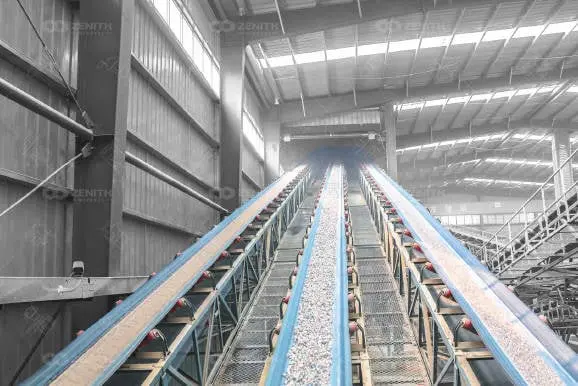
- Integration with Plant Systems: Compatibility with other processing equipment or conveyor systems can affect costs.
5. Brand & Manufacturer
- Reputation: Reliable and well-known manufacturers often charge more due to the perceived quality, dependability, and support.
- Geographic Location of Manufacturer: Importing equipment from overseas may add shipping and customs costs.
6. Installation and Maintenance Costs
- Installation Complexity: Equipment requiring specialized installation increases upfront costs.
- Ease of Maintenance: Simpler designs that require lower maintenance may cost more initially due to anticipated savings in the long run.
7. Operating Costs
- Energy Consumption: Energy-efficient crushers may cost more upfront but save money in operational costs.
- Consumables: Cost considerations for replaceable parts like liners, belts, and wear-resistant plates often reflect in initial equipment pricing.
8. Market Demand & Supply Trends
- Raw Material Costs: The cost of steel and manufacturing materials can fluctuate and influence equipment pricing.
- Economic Conditions: Inflation, currency fluctuations, and trade policies can affect the overall cost.
- Market Competition: A high level of competition among manufacturers may impact pricing.
9. Project-Specific Requirements
- Customization: Equipment tailored for specific applications or conditions (e.g., extreme environments) might be more expensive.
- Scale of the Project: Larger plants requiring multiple units may benefit from economies of scale in purchasing.
10. Warranty and After-Sales Service
- Extended Warranty: Equipment with long warranty periods and responsive after-sales service may have higher upfront costs.
- Availability of Spare Parts: Suppliers offering readily available or proprietary spare parts and support often factor this into the pricing.
11. Transportation and Logistics
- Shipping, handling, and freight costs from the manufacturer to the plant location add to the equipment’s price.
12. Regulation and Compliance
- Compliance with environmental and safety standards (e.g., dust suppression systems or noise control) may increase production costs, thereby affecting pricing.
Summary
The final price of crushing equipment reflects a balance between technical specifications, durability, operation costs, supplier reputation, economic factors, and project-specific needs. It’s important for buyers to assess both the purchasing cost and long-term cost implications, such as energy efficiency, maintenance, and spare parts availability, when evaluating crushing equipment for mineral processing plants.
Contact Us
Shanghai Zenith Mineral Co., Ltd. is a leading manufacturer of crushing and grinding equipment in China. With more than 30 years of experience in the mining machinery industry, Zenith has built a strong reputation for delivering high-quality crushers, mills, sand-making machines, and mineral processing equipment to customers around the world.
Headquartered in Shanghai, China, Zenith integrates research, production, sales, and service, providing complete solutions for aggregates, mining, and mineral grinding industries. Its equipment is widely used in metallurgy, construction, chemical engineering, and environmental protection.
Committed to innovation and customer satisfaction, Shanghai Zenith continues to advance in intelligent manufacturing and green production, offering reliable equipment and comprehensive after-sales service to help clients achieve efficient and sustainable operations.
website: https://www.chinagrindingmill.net
Email:info@chinagrindingmill.net
Whatsapp:+8613661969651