How Are Engineering Principles Applied in Modern Belt Conveyor System Designs
Time:28 October 2025
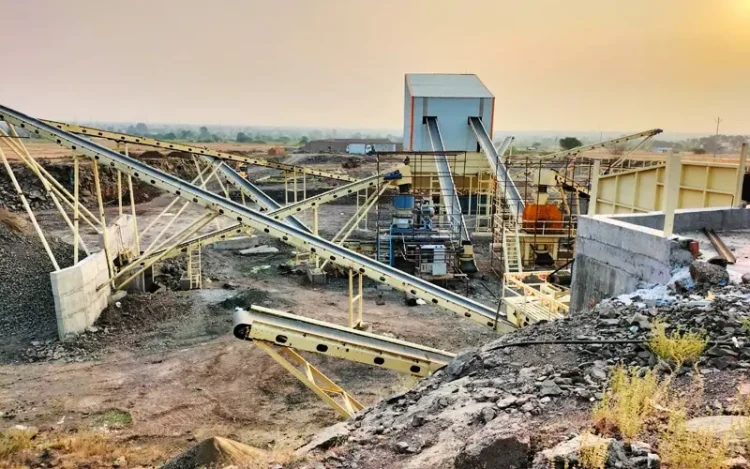
Belt conveyor systems are integral components in various industries, including manufacturing, mining, and logistics. These systems facilitate the efficient movement of materials across distances, contributing to streamlined operations and enhanced productivity. The design of modern belt conveyor systems leverages several engineering principles to ensure optimal performance, safety, and reliability.
Key Engineering Principles in Belt Conveyor Design
1. Mechanical Engineering Principles
Mechanical engineering plays a pivotal role in the design of belt conveyor systems. Key aspects include:
- Material Selection: Choosing the right materials for the belt, rollers, and frame to ensure durability and resistance to wear and tear.
- Load Capacity: Calculating the maximum load the conveyor can handle without compromising structural integrity.
- Tension and Alignment: Ensuring the belt is properly tensioned and aligned to prevent slippage and reduce wear.
2. Electrical Engineering Principles
Electrical engineering principles are crucial for the automation and control of conveyor systems:
- Motor Selection: Selecting motors that provide adequate power and efficiency for the conveyor’s operational requirements.
- Control Systems: Implementing programmable logic controllers (PLCs) for precise control over speed, direction, and sequencing.
- Safety Systems: Integrating sensors and emergency stop mechanisms to enhance operational safety.
3. Industrial Engineering Principles
Industrial engineering focuses on optimizing the conveyor system for maximum efficiency:
- Workflow Analysis: Designing conveyor layouts that minimize bottlenecks and facilitate smooth material flow.
- Ergonomics: Ensuring the conveyor system is designed for ease of use and maintenance, reducing operator fatigue.
- Cost Efficiency: Balancing performance with cost-effective solutions to meet budgetary constraints.
Design Considerations for Modern Belt Conveyor Systems
1. Environmental Impact
Modern designs prioritize sustainability:
- Energy Efficiency: Utilizing energy-efficient motors and drives to reduce power consumption.
- Eco-Friendly Materials: Selecting materials that have a lower environmental impact and are recyclable.
2. Safety and Compliance
Ensuring safety and regulatory compliance is paramount:
- Safety Features: Incorporating guards, emergency stops, and warning systems to protect operators.
- Regulatory Standards: Adhering to industry standards such as OSHA and ISO to ensure compliance.
3. Technological Advancements
Leveraging technology for enhanced performance:
- Automation: Implementing automated systems for monitoring and control to reduce human intervention.
- Data Analytics: Utilizing sensors and IoT devices to gather data for predictive maintenance and performance optimization.
Steps in Designing a Belt Conveyor System
1. Initial Assessment
- Identify Requirements: Determine the specific needs of the operation, including load capacity, speed, and material type.
- Site Evaluation: Assess the physical space and environmental conditions where the conveyor will be installed.
2. Conceptual Design
- Layout Planning: Develop a preliminary layout considering workflow and space constraints.
- Component Selection: Choose appropriate components such as belts, motors, and frames.
3. Detailed Design and Testing
- Engineering Calculations: Perform detailed calculations for load, tension, and power requirements.
- Prototype Testing: Build and test prototypes to validate design assumptions and performance.
4. Implementation and Maintenance
- Installation: Execute the installation process with precision to ensure system integrity.
- Regular Maintenance: Establish a maintenance schedule to ensure longevity and reliability.
Conclusion
The application of engineering principles in modern belt conveyor system designs is essential for achieving efficient, reliable, and safe operations. By integrating mechanical, electrical, and industrial engineering concepts, designers can create systems that meet the demanding needs of contemporary industries. Emphasizing sustainability, safety, and technological advancements further enhances the functionality and compliance of these systems, ensuring they remain integral components in the production and logistics sectors.