What Equipment Configurations Optimize Gold Mining Process Flow Efficiency
Time:28 October 2025
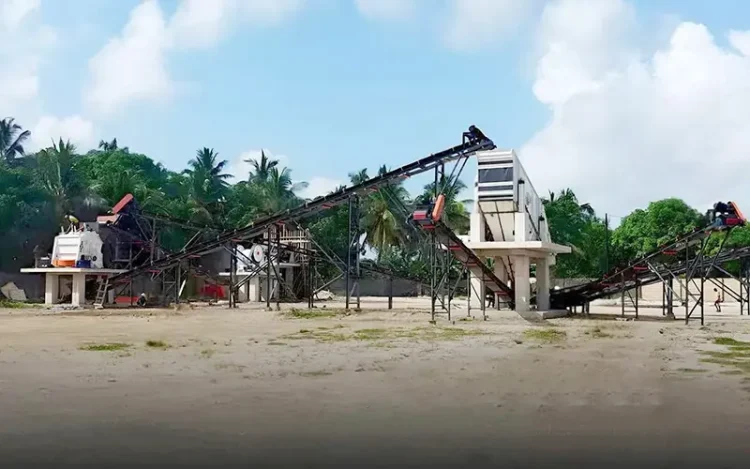
Gold mining is a complex process that involves several stages, from exploration to extraction and processing. Optimizing the equipment configurations used in these stages can significantly enhance process flow efficiency, reduce costs, and improve overall productivity. This article explores the key equipment configurations that can optimize the gold mining process.
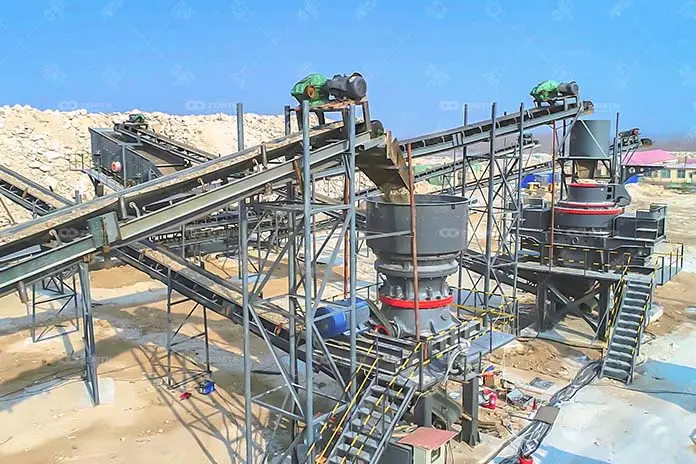
1. Exploration and Drilling
The exploration phase is crucial for identifying viable gold deposits. Efficient equipment configurations in this stage can lead to more accurate assessments and faster decision-making.
1.1 Geophysical Survey Equipment
- Magnetometers: Used to detect magnetic anomalies that may indicate gold deposits.
- Seismic Survey Equipment: Helps in mapping subsurface structures.
- Ground Penetrating Radar (GPR): Provides detailed images of the subsurface.
1.2 Drilling Equipment
- Core Drills: Essential for obtaining core samples to analyze mineral content.
- Reverse Circulation (RC) Drills: Faster and more cost-effective for initial exploration phases.
2. Extraction
Once a viable deposit is identified, the extraction phase begins. The choice of equipment here can greatly impact the efficiency and environmental footprint of the operation.
2.1 Surface Mining Equipment
- Hydraulic Shovels: Offer high digging forces and are ideal for large-scale operations.
- Draglines: Efficient for removing overburden in open-pit mining.
- Bucket-Wheel Excavators: Suitable for continuous mining operations.
2.2 Underground Mining Equipment
- Jumbo Drills: Used for drilling blast holes in hard rock mining.
- Load Haul Dump (LHD) Machines: Transport ore from the mine face to the surface.
- Continuous Miners: Ideal for room and pillar mining methods.
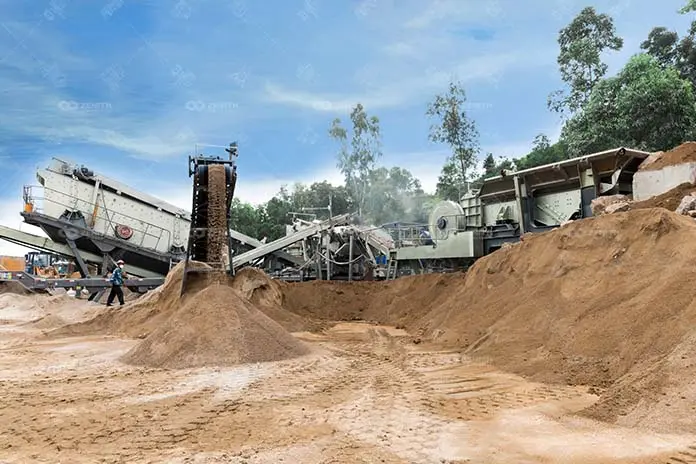
3. Processing
Processing involves separating gold from the ore, and optimizing this phase can lead to higher recovery rates and reduced costs.
3.1 Crushing and Grinding
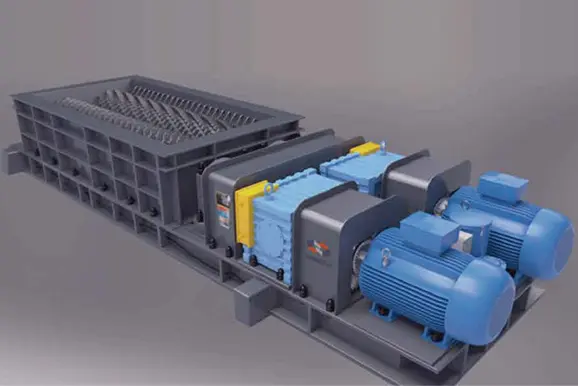
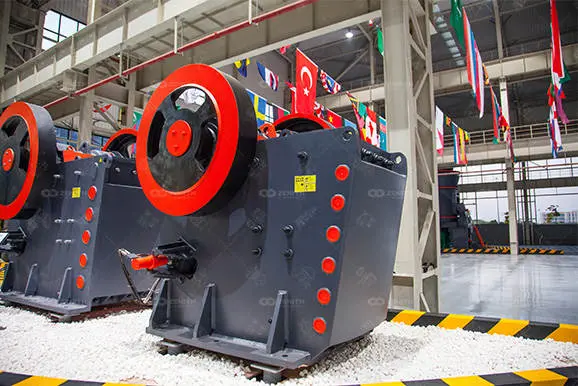
- Jaw Crushers: Used for primary crushing of large rocks.
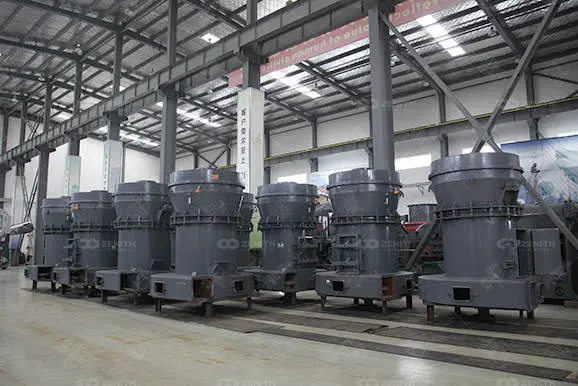
- Ball Mills: Grind ore to a fine powder, increasing surface area for leaching.
- SAG Mills: Combine the functions of crushing and grinding.
3.2 Separation and Concentration
- Gravity Concentrators: Use the difference in density to separate gold from other materials.
- Flotation Cells: Separate minerals based on their hydrophobic properties.
- Centrifugal Concentrators: Enhance recovery of fine gold particles.
3.3 Leaching and Adsorption
- Cyanide Leaching Tanks: Dissolve gold from ore using cyanide solution.
- Carbon-in-Pulp (CIP) Systems: Adsorb dissolved gold onto activated carbon.
- Carbon-in-Leach (CIL) Systems: Combine leaching and adsorption in one process.
4. Refining
Refining is the final step in producing pure gold. Efficient equipment configurations ensure high purity and minimal waste.
4.1 Smelting Furnaces
- Induction Furnaces: Provide precise temperature control for melting gold.
- Electric Arc Furnaces: Suitable for large-scale smelting operations.
4.2 Electrolytic Refining
- Electrowinning Cells: Recover gold from leach solutions.
- Electrorefining Cells: Purify gold to high levels of purity.
5. Environmental and Safety Considerations
Optimizing equipment configurations not only improves efficiency but also enhances environmental and safety outcomes.
5.1 Dust and Emission Control
- Dust Collectors: Minimize airborne particles during crushing and grinding.
- Emission Scrubbers: Reduce harmful emissions from smelting processes.
5.2 Waste Management
- Tailings Management Systems: Ensure safe disposal and storage of mining waste.
- Water Treatment Plants: Recycle and purify water used in mining processes.
Conclusion
Optimizing equipment configurations in the gold mining process is essential for improving efficiency, reducing costs, and minimizing environmental impact. By carefully selecting and configuring equipment for each stage of the mining process, operations can achieve higher productivity and sustainability. As technology advances, continuous evaluation and adaptation of equipment configurations will be key to maintaining competitive advantage in the gold mining industry.