info@chinagrindingmill.net
+8613661969651
english En
English 中文版 Hindi Spanish French Arabic Bengali Russian Portuguese Indonesian Urdu German Japanese Swahili Turkish Italian Korean Vietnamese Tamil Punjabi Persian (Farsi) Thai Dutch Polish Ukrainian Romanian Greek Hebrew Swedish Czech Hungarian Danish Finnish Norwegian Malay Tagalog (Filipino) Gujarati Kannada Burmese Amharic Hausa Somali Yoruba Zulu Afrikaans Nepali Sinhala Khmer Lao Mongolian Javanese Telugu Marathi Malayalam Uyghur
SHANGHAI ZENITH MINERAL CO.,LTD. SHANGHAI ZENITH MINERAL CO.,LTD.
  • Home
  • About
  • Products
    Mobile CrusherStone CrusherGrinding MillsModular CrushersMining Equipment
  • Cases
  • Solutions
  • Library
  • Contact
  • Quote Now
  • Home
  • Downloads
  • What is mine tailings and how to process

What is mine tailings and how to process

Time:19 September 2025
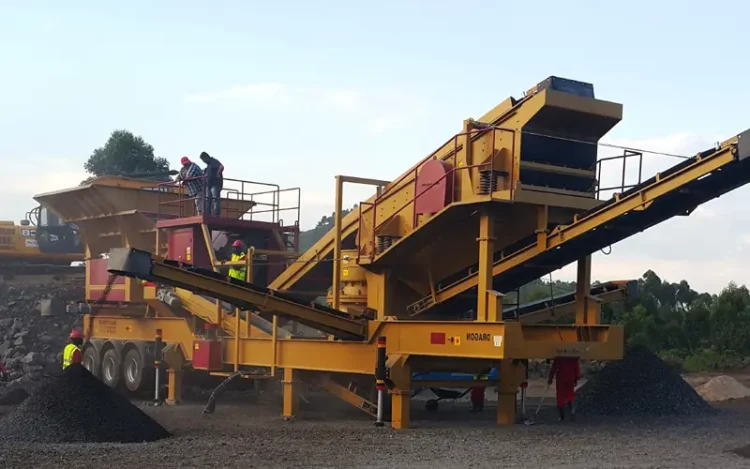
Mine tailings are a significant byproduct of the mining process, and their management is a critical aspect of mining operations. This article explores what mine tailings are, their environmental impact, and the various methods used to process and manage them.

What are Mine Tailings?

Mine tailings are the materials left over after the extraction of valuable minerals or metals from ore. These materials can consist of:

  • Crushed rock
  • Water
  • Chemical residues from the extraction process

Characteristics of Mine Tailings

  • Composition: Tailings can vary widely in composition, depending on the type of ore and the extraction process used.
  • Physical Form: They are often in the form of a slurry, a mixture of solid particles and water.
  • Volume: The volume of tailings produced can be substantial, often exceeding the volume of the extracted ore.

Environmental Impact of Mine Tailings

The management of mine tailings is crucial due to their potential environmental impact:

  • Water Pollution: Tailings can leach harmful chemicals into water sources.
  • Soil Degradation: The deposition of tailings can lead to soil contamination and erosion.
  • Air Pollution: Dust from dry tailings can contribute to air quality issues.

Processing Mine Tailings

Processing mine tailings involves several steps to minimize their environmental impact and, in some cases, recover additional resources. The following are common methods used in tailings processing:

1. Thickening

Thickening involves the removal of excess water from the tailings slurry to reduce its volume. This process is achieved through:

  • Gravity Thickeners: Large tanks where solid particles settle at the bottom.
  • Filtration: Mechanical separation of solids from liquids.

2. Dewatering

Further dewatering of tailings can be achieved through:

  • Centrifuges: Machines that use centrifugal force to separate solids from liquids.
  • Filter Presses: Equipment that compresses the slurry to remove water.

3. Tailings Storage

Proper storage of tailings is crucial to prevent environmental contamination. Common storage methods include:

  • Tailings Ponds: Large, engineered basins designed to contain tailings and allow water to evaporate.
  • Dry Stacking: A method where dewatered tailings are stacked in a dry form, reducing the risk of water contamination.

4. Reprocessing

Reprocessing involves extracting additional minerals from tailings, which can be economically viable and reduce the volume of waste. This process includes:

  • Flotation: A method to separate valuable minerals from tailings using chemicals and air bubbles.
  • Leaching: The use of chemical solutions to dissolve and recover metals from tailings.

Innovative Approaches in Tailings Management

Recent advancements have introduced innovative approaches to tailings management:

  • Paste Tailings: A thickened form of tailings that reduces water content and improves stability.
  • Geopolymerization: The conversion of tailings into construction materials through chemical processes.
  • Bioremediation: The use of microorganisms to detoxify and stabilize tailings.

Conclusion

Mine tailings are an inevitable byproduct of mining operations, but their impact can be mitigated through effective processing and management techniques. By employing methods such as thickening, dewatering, and reprocessing, the mining industry can reduce the environmental footprint of tailings and, in some cases, recover additional resources. As technology advances, innovative approaches continue to emerge, offering new solutions for sustainable tailings management.


  • Previous: What is an eccentric shaft in a jaw crusher
  • Next: What is the final product of columbite

Main Products

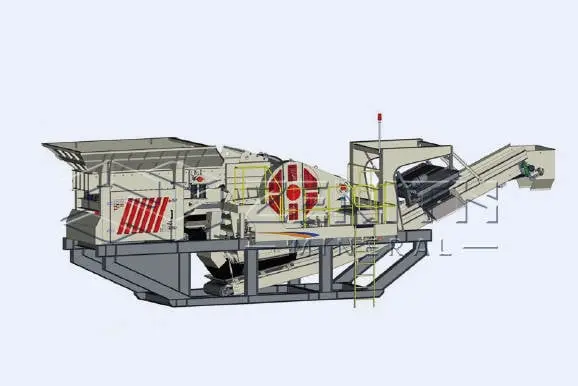
MK Semi-mobile Crusher and Screen

MK Semi-mobile Crusher and Screen

MK Semi-mobile Crusher and Screen (Skid-mounted) is a new integrated mobile crushing and screening plant designed to meet customers' demand...

Learn More
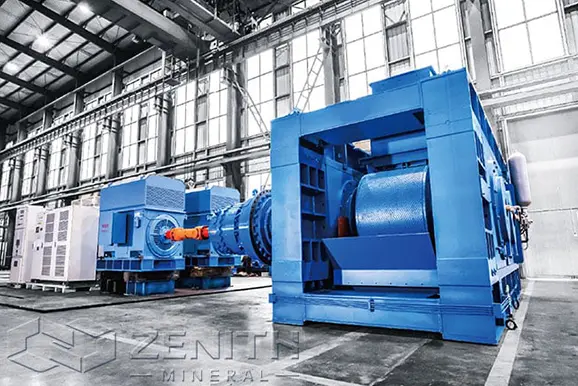
HGM Series High Pressure Grinding Roller

HGM Series High Pressure Grinding Roller

The HPGR significantly enhances the capacity of the crushing system while reducing the consumption of electric power and steel balls...

Learn More
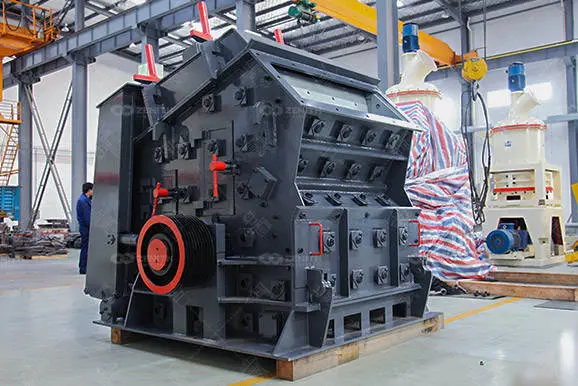
PF Impact Crusher

PF Impact Crusher

PF Impact Crusher makes use of impact energy to crush materials. It’s used as a secondary crusher in stone crushing...

Learn More
C6X Jaw Crusher

C6X Jaw Crusher

C6X Jaw Crusher is the latest generation of primary crusher. It adopts lots of advanced technologies and it has much...

Learn More
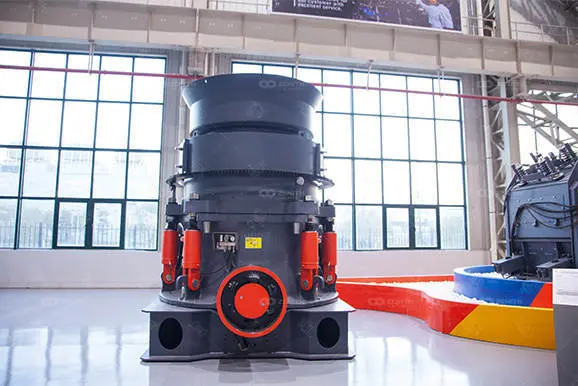
HPT Hydraulic Cone Crusher

HPT Hydraulic Cone Crusher

HPT Multi-cylinder Hydraulic Cone Crusher often appears in the secondary crushing stage. The use of hydraulic devices makes maintenance easier.

Learn More
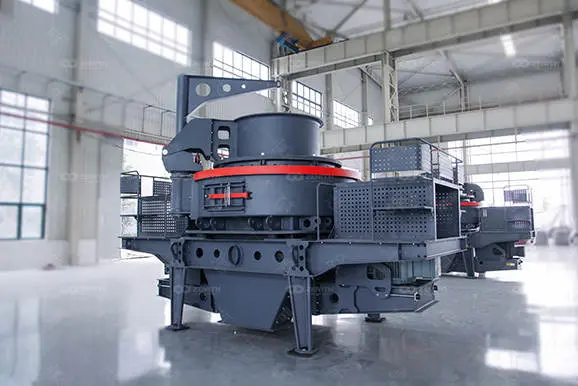
VSI6X Sand Making Machine

VSI6X Sand Making Machine

VSI6X Vertical Shaft Impact Crusher, also known as VSI6X Sand-making Machine, can be used in both sand making and reshaping...

Learn More
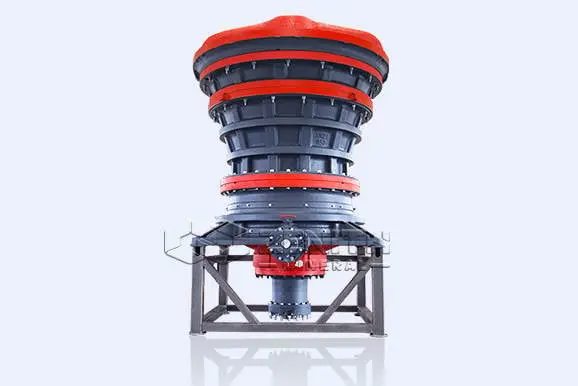
HGT Gyratory Crusher

HGT Gyratory Crusher

HGT Gyratory Crusher was developed to cater for market demands for large crushing equipment. It’s absolutely an ideal choice for...

Learn More
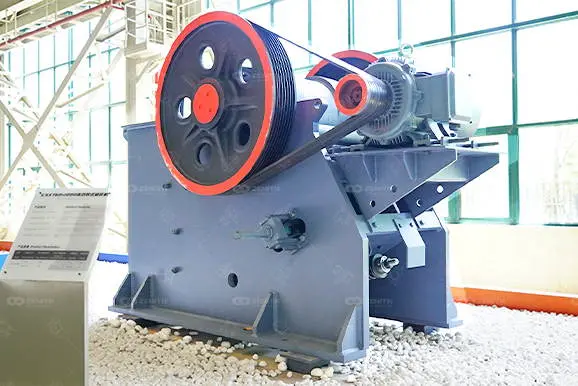
C5X Jaw Crusher

C5X Jaw Crusher

The C5X Jaw Crusher features a well-designed crushing chamber and outstanding motion characteristics, boasting a larger stroke and higher speed...

Learn More
LM Vertical Grinding Mill

LM Vertical Grinding Mill

LM Vertical Grinding Mill integrates five functions of crushing, grinding, powder selection, drying and material conveying.

Learn More
K3 Series Portable Crushing Plant

K3 Series Portable Crushing Plant

K Series Portable Crusher Plant, also known as K Series Portable Crusher, is a new type of equipment developed on...

Learn More

Solutions

We have more than 5000 cases around the world and provide a full range of solutions.
800-1000t/h Soft Rock Crushing Plant

800-1000t/h Soft Rock Crushing Plant

DOLOMITE GRINDING PLANTS DESIGN

DOLOMITE GRINDING PLANTS DESIGN

LEAD-ZINC ORE CRUSHING PLANTS DESIGN

LEAD-ZINC ORE CRUSHING PLANTS DESIGN

GOLD ORE CRUSHING PLANTS DESIGN

GOLD ORE CRUSHING PLANTS DESIGN

350-400t/h Soft Rock Crushing Plant

350-400t/h Soft Rock Crushing Plant

PYROPHYLLITE GRINDING PLANTS DESIGN

PYROPHYLLITE GRINDING PLANTS DESIGN

100-150t/h Soft Rock Crushing Plant

100-150t/h Soft Rock Crushing Plant

1000-1050t/h Hard Rock Crushing Plant

1000-1050t/h Hard Rock Crushing Plant

SHANGHAI ZENITH MINERAL CO.,LTD.

Certification

  • CE
  • SGS
  • ISO
  • GOST

Contact information

  • Whatsapp: +8613661969651
  • Email: info@chinagrindingmill.net
  • Website: www.chinagrindingmill.net
  • Address: No. 1688, East Gaoke Road, Shanghai, China

Our Solutions

50-100t/h Soft Rock Crushing Plant
50-100t/h Hard Rock Crushing Plant
100-150t/h Soft Rock Crushing Plant
100-150t/h Hard Rock Crushing Plant
150-200t/h Soft Rock Crushing Plant
150-180t/h Hard Rock Crushing Plant

Cases

Ghana 100-120TPH Granite Portable Crushing Plant
Dubai 550t/h Limestone Crushing Plant
Philippines 80TPH River Pebble Crushing Plant
Turkey Copper Ore Crushing Plant

Resources

Librarys
FAQs
Downloads

About Us

Copyright © 2025 SHANGHAI ZENITH MINERAL CO.,LTD. All Rights Reserved.