How Are Antimony Ore Beneficiation Plants Designed for Efficient Mineral Extraction and Processing?
Χρόνος:
17 March 2021

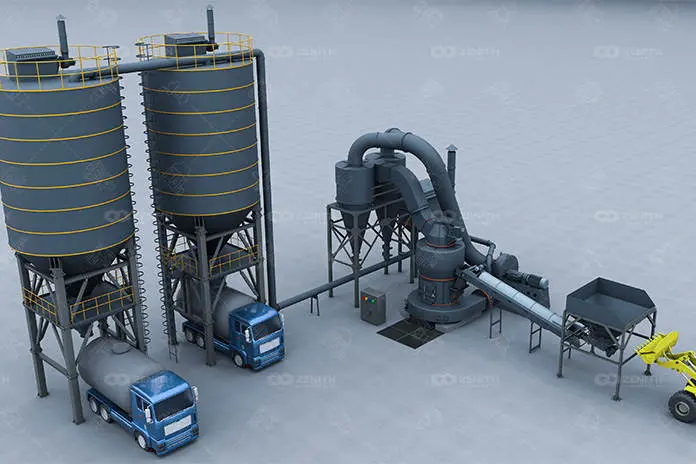
Designing antimony ore beneficiation plants for efficient extraction and processing relies on understanding the specific characteristics of the antimony ore and employing techniques to maximize recovery rates while minimizing energy consumption and environmental impact. Below are the key considerations and components involved in the design:
1. Ore Characteristics and Analysis
Understanding the properties of the antimony ore is crucial in determining the most efficient beneficiation methods. These include:
- Mineralogy: Identifying the antimony minerals (e.g., stibnite) and associated gangue materials to select appropriate separation techniques.
- Grade and Composition: Estimating the antimony content and other impurities in the ore.
- Texture and Liberation Size: Determining the particle size at which antimony minerals can be liberated from the gangue.
- Physical and Chemical Properties: Examining density, surface characteristics, solubility, and oxidation states.
2. Beneficiation Process Selection
Antimony ore beneficiation involves various physical and chemical separation techniques, determined by ore characteristics:
Διαχωρισμός με τη βαρύτητα
- Utilized for antimony ores containing a high percentage of stibnite (Sb₂S₃) and low impurities.
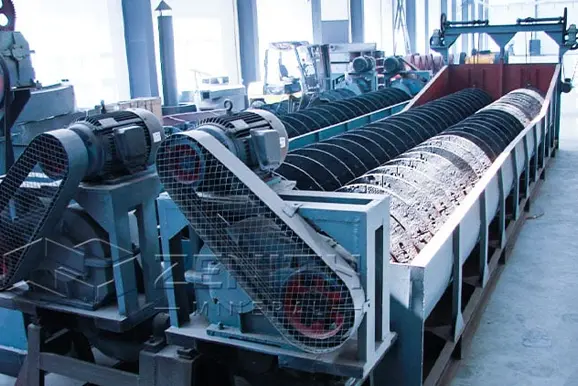
- Techniques include jigs, shaking tables, and spirals, exploiting differences in density between antimony minerals and gangue.
Flotation Separation
- Ideal for finely disseminated antimony ores.
- Involves grinding the ore, adding flotation reagents (e.g., collectors and frothers tailored to stibnite), and using water to separate minerals based on surface hydrophobicity.
Μαγνητική Διαχωρισμός
- Useful for ores containing magnetic minerals mixed with antimony-bearing minerals or impurities.
Hydrometallurgical Processes
- In cases where antimony is finely disseminated or associated with other sulfides, leaching methods can dissolve antimony using reagents like alkaline solutions or sodium sulfide.
Electrometallurgical Methods
- Used for antimony-rich intermediate concentrate production for further refining or smelting.
3. Plant Design Considerations
Efficient antimony beneficiation plants are optimized for energy efficiency, operational reliability, and environmental sustainability.
Layout Design
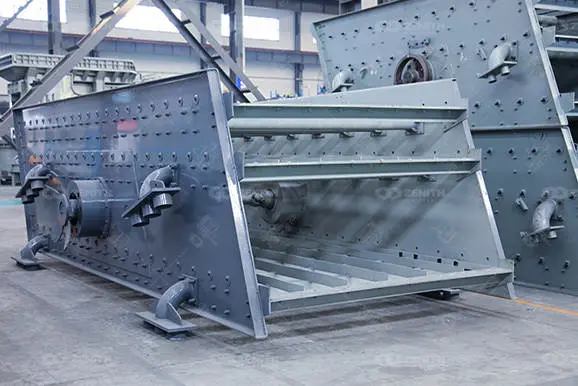
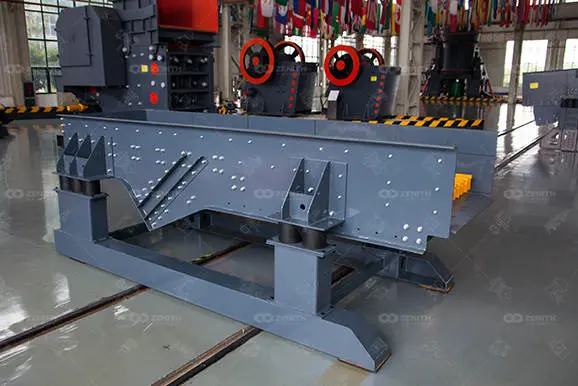
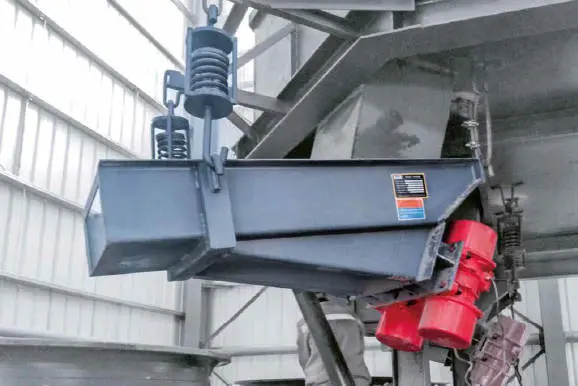
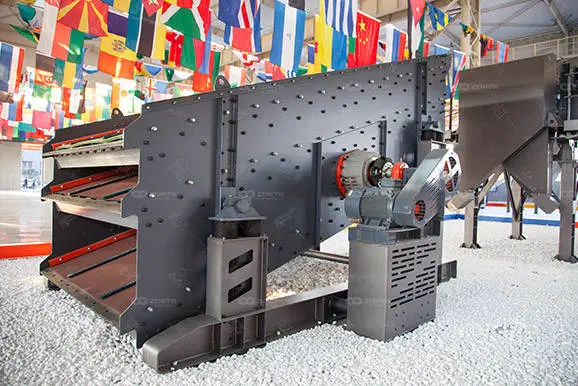
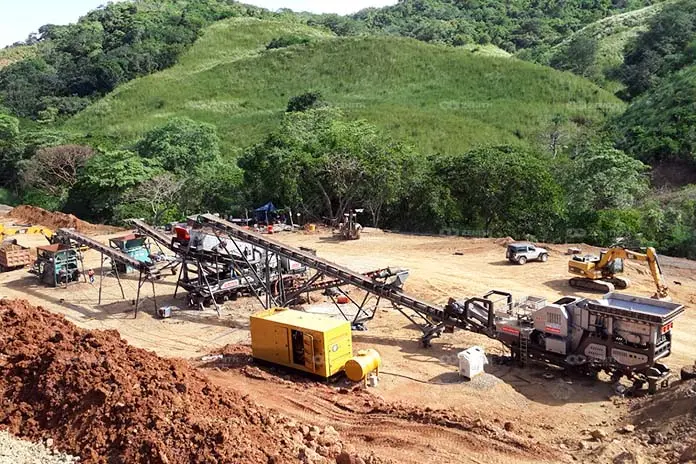
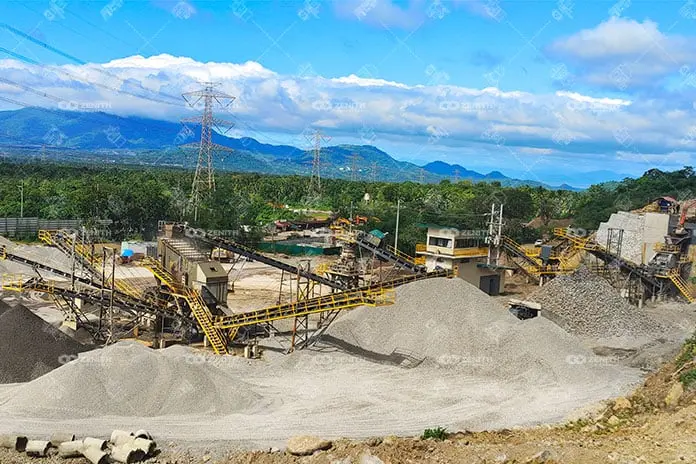
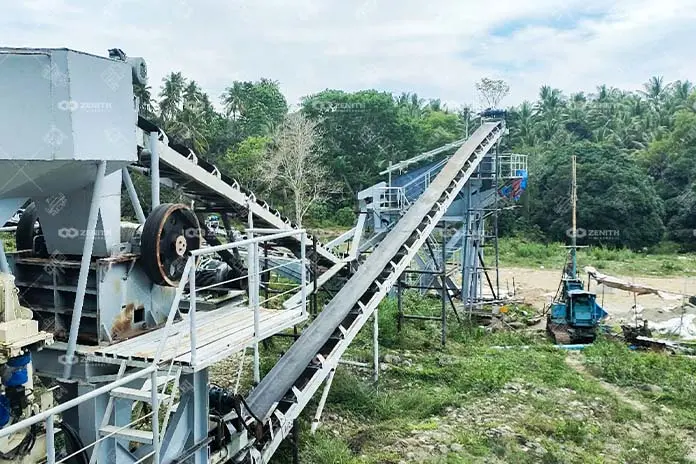
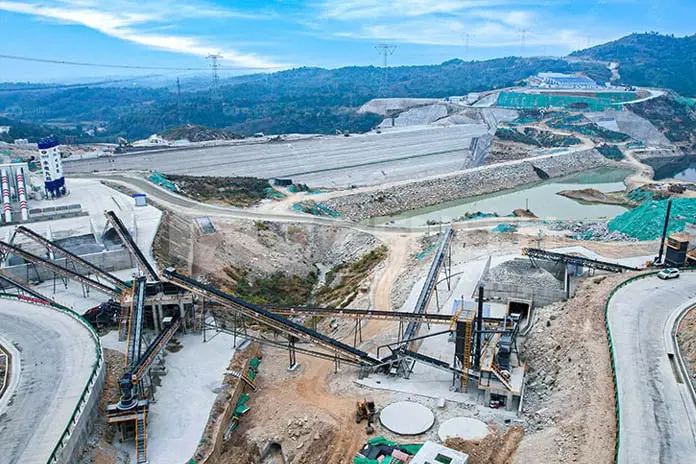
- Ensure logical placement of crushing, grinding, screening, and separation units to allow a seamless material flow.
- Incorporate recycling systems for water and residual waste management.
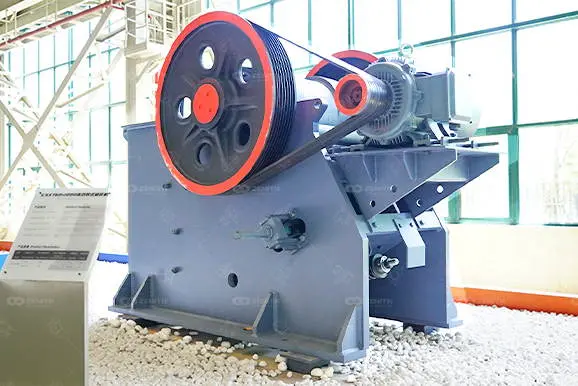
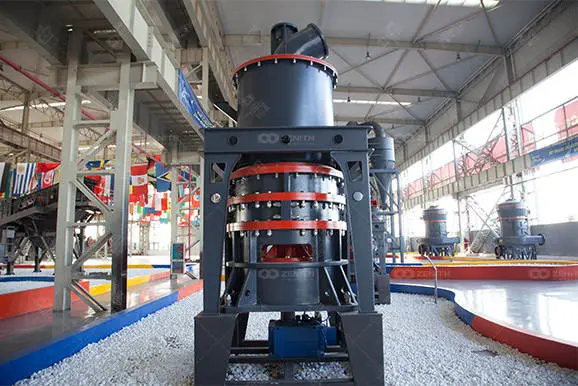
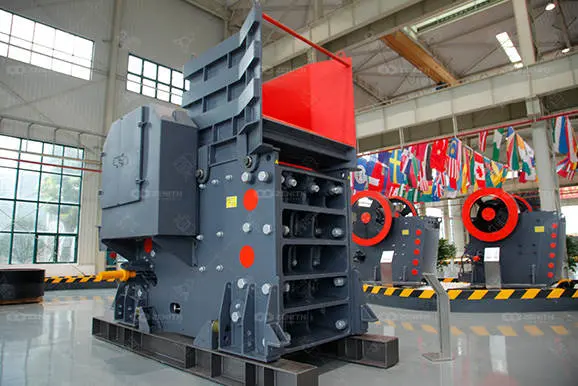
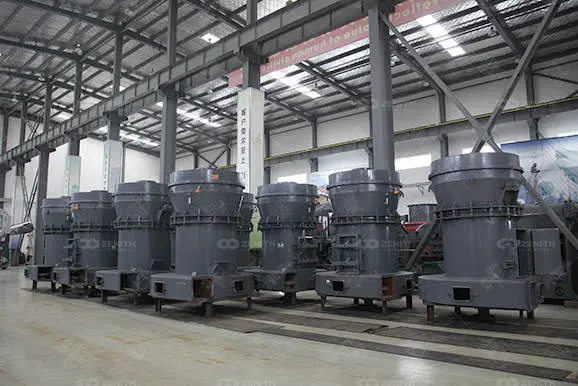
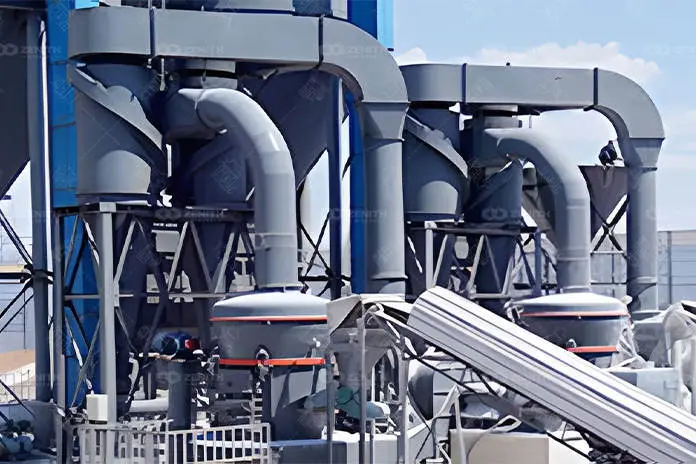
Σύνθλιψη και Άλεση
- First-stage crushing reduces ores to manageable sizes.
- Grinding ensures the liberation size for the beneficiation method, avoiding over-grinding to minimize energy use and cost.
Froth Flotation Circuits
- Include precise control over reagent addition, air flow, and pH to ensure selective recovery of antimony minerals.
- Installing metallurgical control sensors and real-time monitoring systems improve efficiency.
4. Διαχείριση Περιβάλλοντος
- Implement tailings management and wastewater recycling to reduce environmental impact.
- Ensure proper disposal or reprocessing of slags, residues, or low-grade tailings.
5. Automation and Process Monitoring
Automating the plant with modern technologies like sensors, AI-based monitoring, and advanced control systems helps optimize operational efficiency, monitor mineral recovery rates, and reduce human errors.
6. Ενεργειακή Απόδοση
- Use energy-efficient mills, pumps, and flotation units to reduce power consumption.
- Incorporate solar power or other renewable energy sources where feasible.
7. Auxiliary Units and Infrastructure
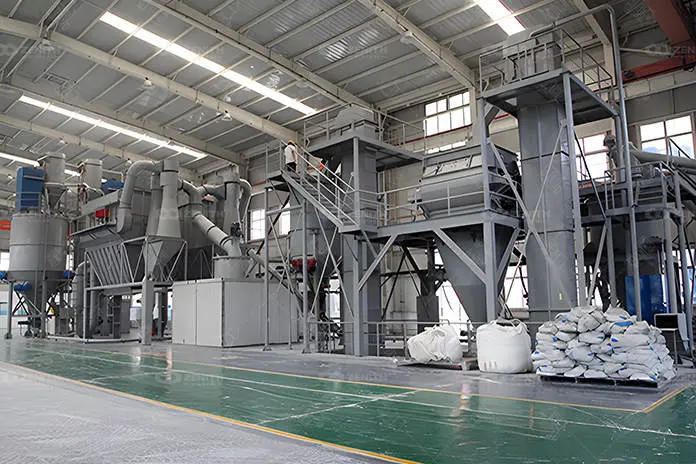
- Storage silos for intermediate products and concentrates.
- Facilities for reagent preparation and dosing systems.
- Water treatment plants for recycling process water.
8. Pilot Testing
Run small-scale pilot tests to validate the chosen beneficiation methods before full-scale implementation. Testing helps refine processes and predict operational challenges.
9. Scaling and Modular Design
Consider modular plant designs for scalability and easy integration of upgrades or expansions.
By applying systematic analyses and incorporating modern technologies, antimony ore beneficiation plants can be optimized for efficient mineral extraction, reducing operational costs while meeting high environmental standards. These facilities are essential in meeting the growing demand for antimony in industries like flame retardants, batteries, and alloys.
Contact Us
Shanghai Zenith Mineral Co., Ltd. is a leading manufacturer of crushing and grinding equipment in China. With more than 30 years of experience in the mining machinery industry, Zenith has built a strong reputation for delivering high-quality crushers, mills, sand-making machines, and mineral processing equipment to customers around the world.
Headquartered in Shanghai, China, Zenith integrates research, production, sales, and service, providing complete solutions for aggregates, mining, and mineral grinding industries. Its equipment is widely used in metallurgy, construction, chemical engineering, and environmental protection.
Committed to innovation and customer satisfaction, Shanghai Zenith continues to advance in intelligent manufacturing and green production, offering reliable equipment and comprehensive after-sales service to help clients achieve efficient and sustainable operations.
website: https://www.chinagrindingmill.net
Email:
Ηλεκτρονικό μήνυμαinfo@chinagrindingmill.net
WhatsApp+8613661969651