How Is Construction & Demolition Waste Recycled in India
Time:23 October 2025
Construction and demolition (C&D) waste management is a critical aspect of sustainable development in India. With rapid urbanization and infrastructure development, the generation of C&D waste has significantly increased. Recycling this waste not only helps in reducing the environmental impact but also contributes to resource conservation. This article explores the processes, challenges, and benefits associated with recycling C&D waste in India.
Overview of Construction & Demolition Waste
C&D waste consists of materials generated during the construction, renovation, and demolition of buildings, roads, and other structures. Common components include:
- Concrete
- Bricks
- Wood
- Metal
- Glass
- Plastics
Importance of Recycling C&D Waste
Recycling C&D waste is crucial for several reasons:
- Environmental Protection: Reduces landfill usage and prevents pollution.
- Resource Conservation: Saves natural resources by reusing materials.
- Economic Benefits: Creates job opportunities and reduces construction costs.
Current Practices in India
Collection and Segregation
- Collection: C&D waste is collected from construction sites, demolition sites, and renovation projects.
- Segregation: Waste is segregated into different categories such as concrete, bricks, metals, etc., to facilitate recycling.
Recycling Processes
- Concrete and Brick Recycling:
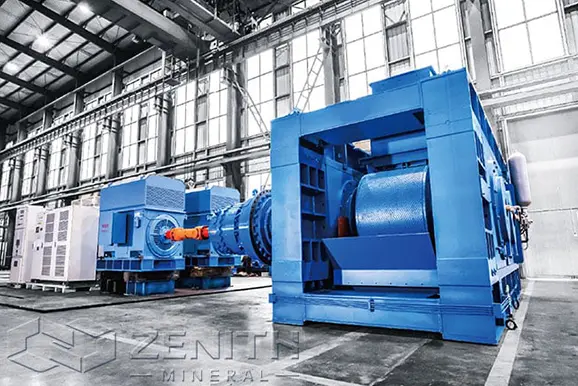
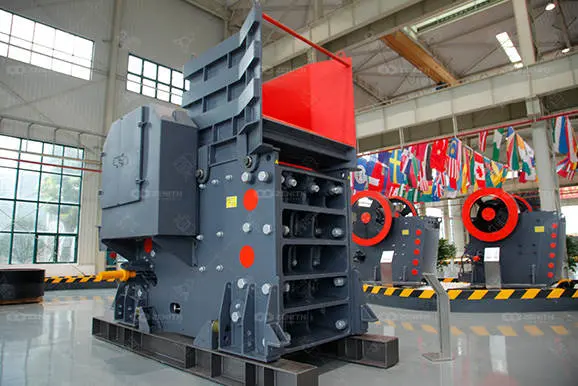
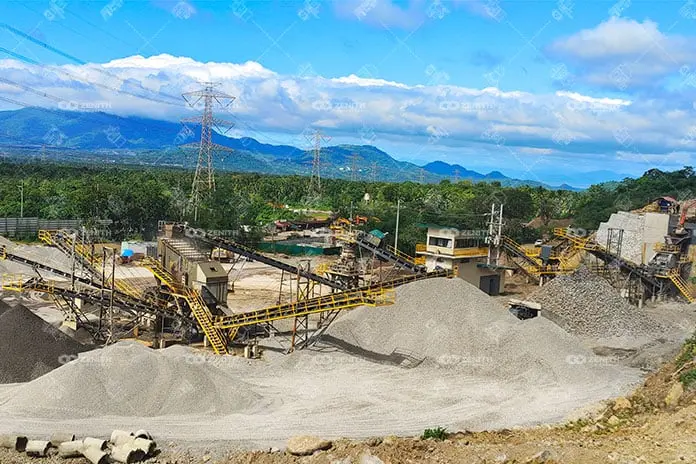
– Crushed and used as aggregate in new concrete or as base material for roads.
– Melted and reformed into new metal products.
– Processed into wood chips or used in particleboard manufacturing.
– Crushed and melted to produce new glass products.
Technologies Used
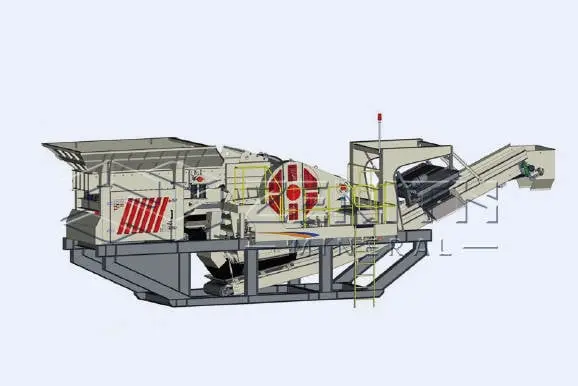
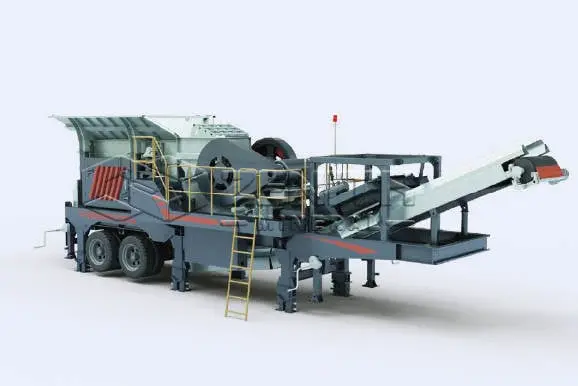
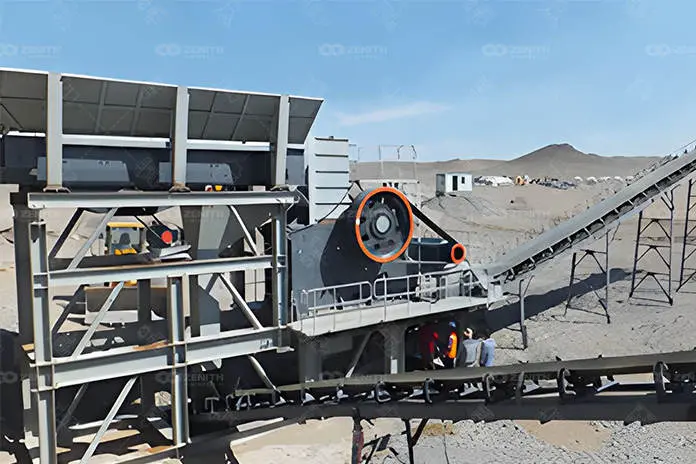
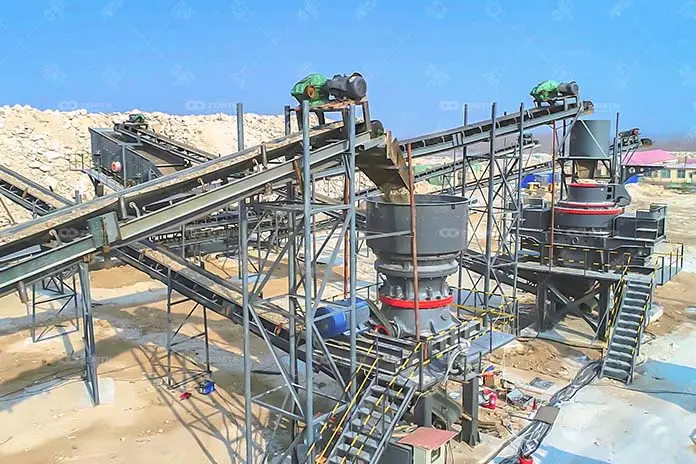
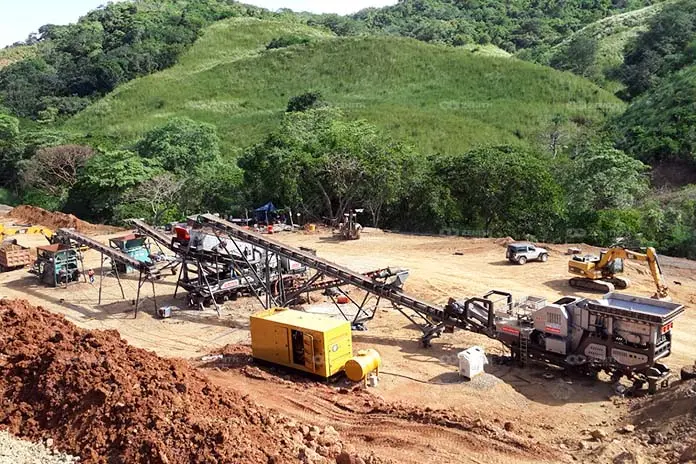
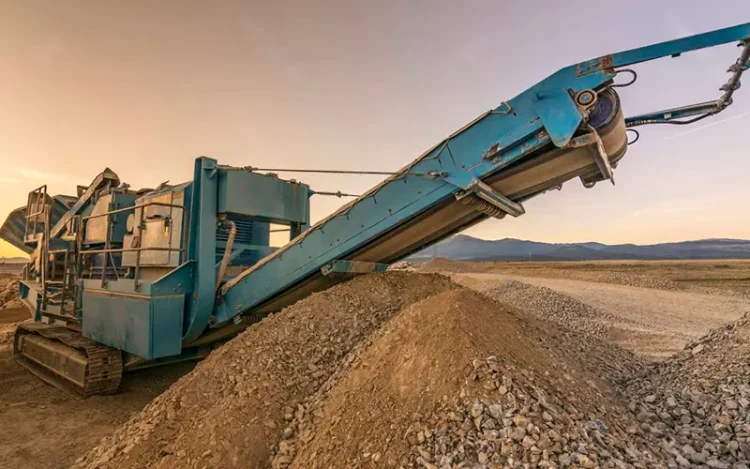
- Mobile Crushers: Used for on-site crushing of concrete and bricks.
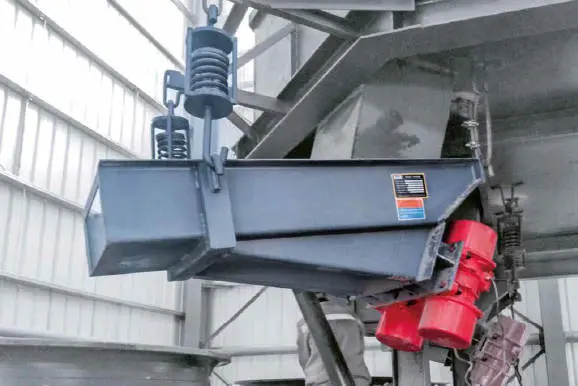
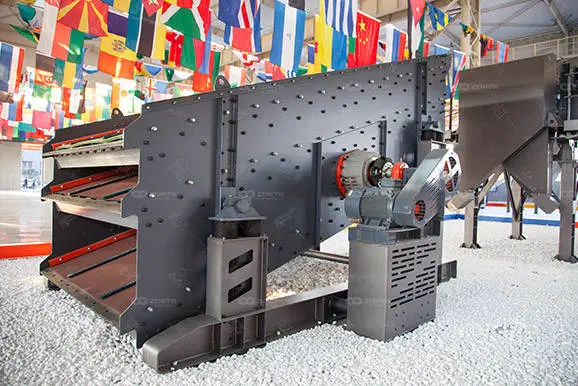
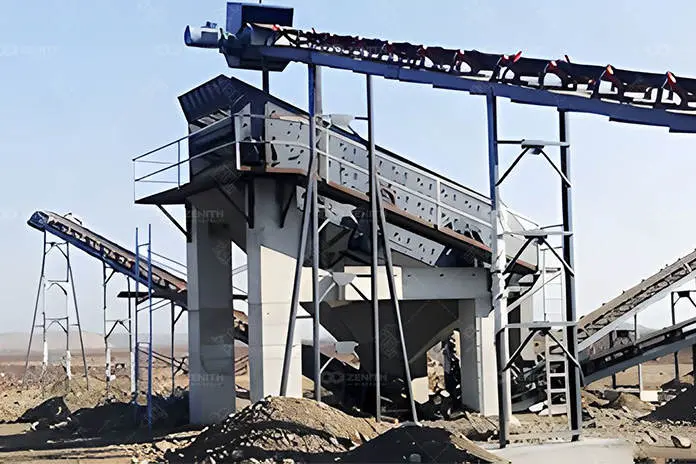
- Screening Equipment: Helps in segregating different sizes of materials.
- Magnetic Separators: Used to extract metals from mixed waste.
Challenges in Recycling C&D Waste
Despite the benefits, several challenges hinder effective recycling:
- Lack of Awareness: Many stakeholders are unaware of recycling benefits and processes.
- Inadequate Infrastructure: Limited recycling facilities and technology.
- Regulatory Barriers: Insufficient policies and enforcement mechanisms.
- Economic Constraints: High initial investment costs for recycling facilities.
Government Initiatives
The Indian government has initiated several measures to promote C&D waste recycling:
- Policy Framework: Implementation of rules and regulations for C&D waste management.
- Incentives: Financial incentives for companies engaged in recycling activities.
- Awareness Campaigns: Educating stakeholders about the benefits of recycling.
Future Prospects
The future of C&D waste recycling in India looks promising with advancements in technology and increased awareness. Key areas of focus include:
- Innovation in Recycling Technologies: Development of cost-effective and efficient recycling methods.
- Public-Private Partnerships: Collaboration between government and private sector to enhance recycling infrastructure.
- Enhanced Regulatory Framework: Strengthening policies to ensure compliance and promote sustainable practices.
Conclusion
Recycling construction and demolition waste is vital for India’s sustainable development. By addressing current challenges and leveraging government initiatives, India can significantly improve its C&D waste management practices. This will not only protect the environment but also foster economic growth and resource conservation.