How to Process Gold-Bearing Manganese Ores for Maximum Recovery
Time:29 October 2025
Gold-bearing manganese ores present unique challenges due to their complex mineralogy. Efficient processing is essential to maximize gold recovery while minimizing costs. This article outlines the methodologies and techniques used in processing these ores, focusing on maximizing recovery rates.
Understanding Gold-Bearing Manganese Ores
Gold-bearing manganese ores are typically found in regions with significant geological activity. These ores contain a mixture of manganese minerals and gold, often in fine particles. Understanding their composition is crucial for effective processing.
Composition of Gold-Bearing Manganese Ores
- Manganese Minerals: Pyrolusite, psilomelane, and manganite.
- Gold: Usually present in fine particles or as inclusions within manganese minerals.
- Other Elements: May include iron, silica, and other trace elements.
Processing Techniques
Efficient processing of gold-bearing manganese ores involves several key steps. Each step aims to enhance gold recovery while managing the challenges posed by manganese minerals.
1. Ore Preparation
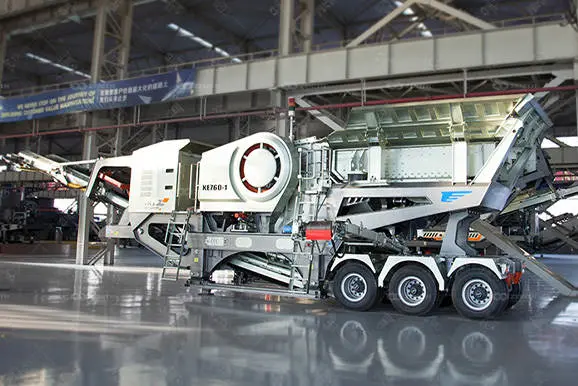
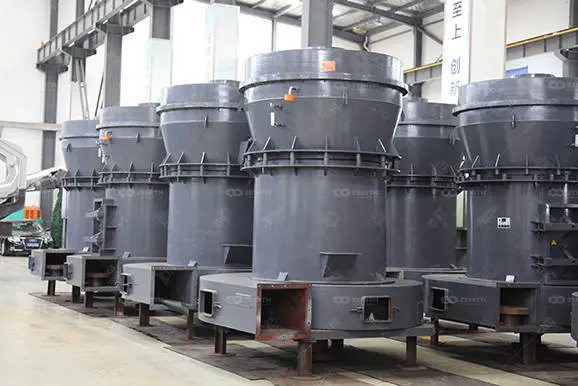
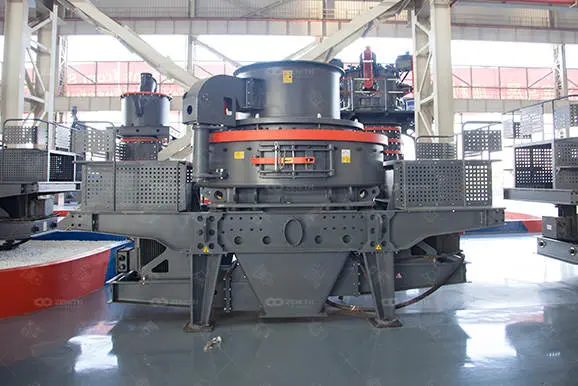
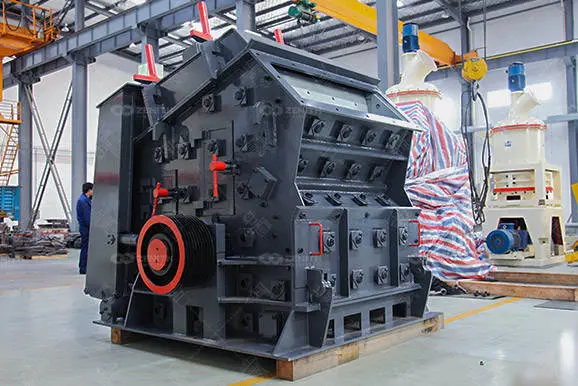
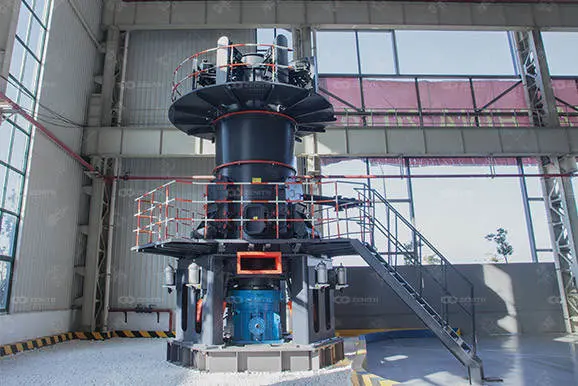
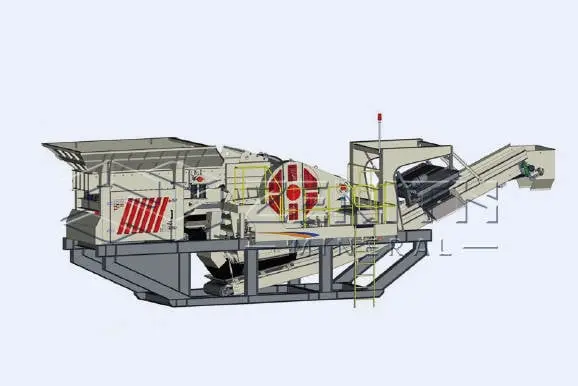
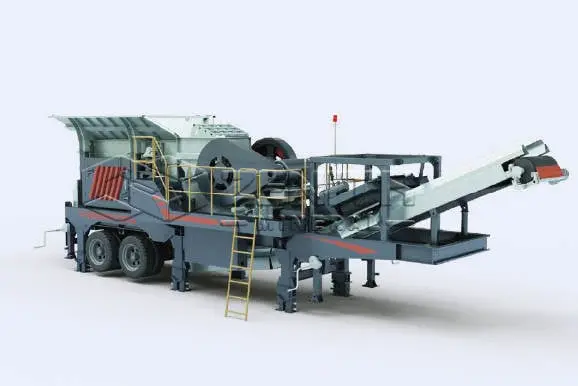
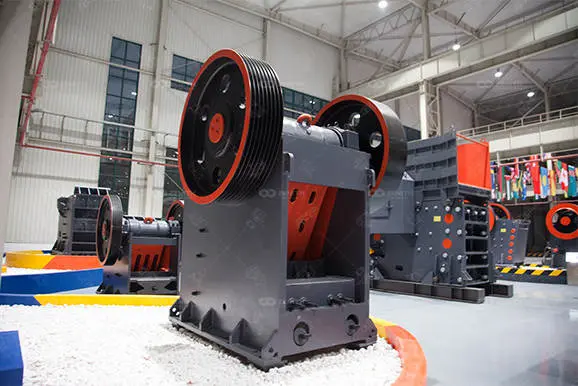
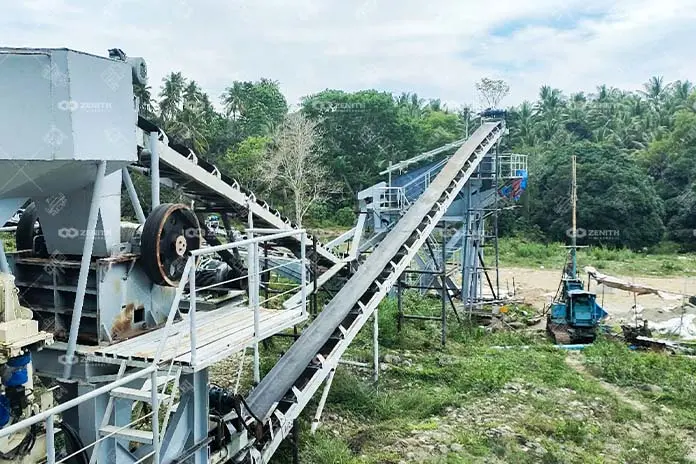
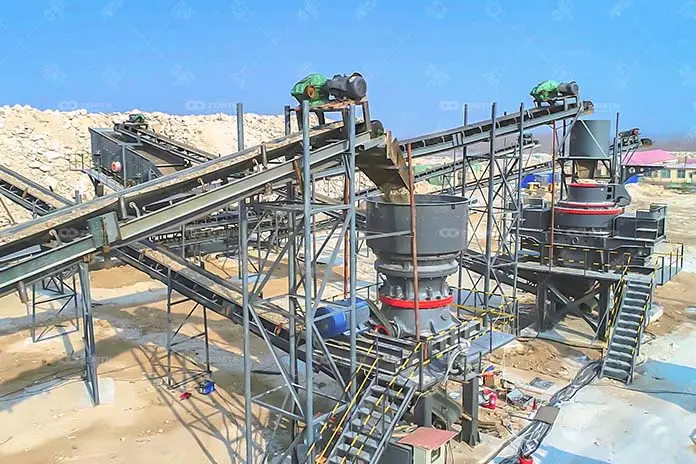
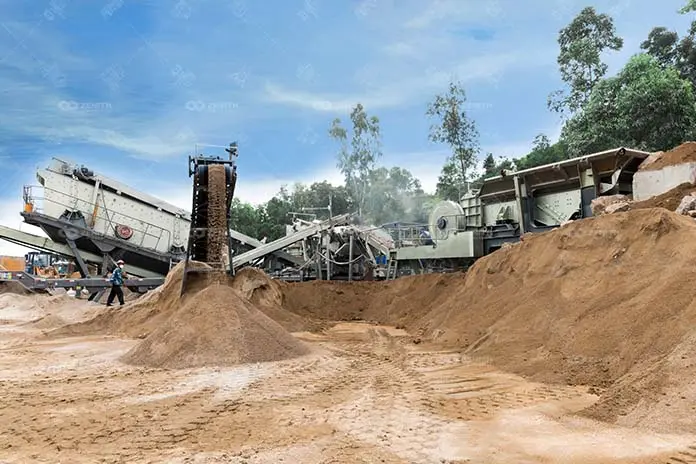
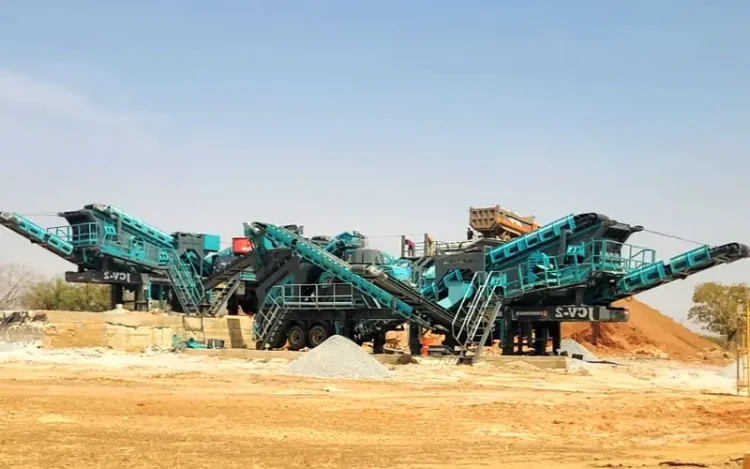
Ore preparation involves crushing and grinding to liberate gold particles from the surrounding manganese matrix.
- Crushing: Reduces ore size to facilitate further processing.
- Grinding: Achieves finer particle size, increasing surface area for subsequent treatment.
2. Gravity Separation
Gravity separation exploits differences in density between gold and manganese minerals.
- Jigging: Utilizes pulsating water flow to separate heavier gold particles.
- Shaking Tables: Provides a platform for gravity-driven separation.
3. Flotation
Flotation is used to separate gold from manganese by utilizing differences in their surface properties.
- Collectors: Chemical agents that enhance the hydrophobicity of gold particles.
- Frothers: Stabilize the froth for effective separation.
4. Leaching
Leaching involves using chemical solutions to dissolve gold from the ore.
- Cyanidation: Commonly used for gold extraction, though manganese can interfere with the process.
- Alternative Leaching Agents: Thiosulfate or halide solutions may be used to minimize manganese interference.
5. Bioleaching
Bioleaching employs microorganisms to facilitate gold extraction.
- Microorganisms: Specific bacteria can oxidize manganese minerals, freeing gold particles.
- Environmental Considerations: Bioleaching is often more environmentally friendly than chemical methods.
Enhancing Recovery Rates
To maximize recovery rates, several strategies can be employed:
Optimize Process Parameters
- Particle Size: Ensure optimal size reduction for effective liberation.
- Chemical Dosage: Adjust reagent concentrations for improved flotation and leaching efficiency.
Tailings Management
Effective tailings management is crucial for environmental compliance and resource recovery.
- Reprocessing Tailings: Recover residual gold from tailings using advanced techniques.
- Environmental Safeguards: Implement measures to minimize environmental impact.
Challenges and Considerations
Processing gold-bearing manganese ores involves several challenges:
- Manganese Interference: Manganese can consume reagents, reducing gold recovery.
- Complex Mineralogy: Requires tailored processing techniques for different ore types.
- Environmental Impact: Must balance recovery with environmental protection.
Conclusion
Processing gold-bearing manganese ores for maximum recovery requires a comprehensive understanding of the ore’s composition and the application of efficient processing techniques. By optimizing each step of the process, from ore preparation to tailings management, operators can achieve higher recovery rates while minimizing environmental impact. Continuous research and development in processing technologies will further enhance recovery and sustainability in the future.