What are the advantages of a jaw crusher over the gyratory crusher
Time:12 September 2025
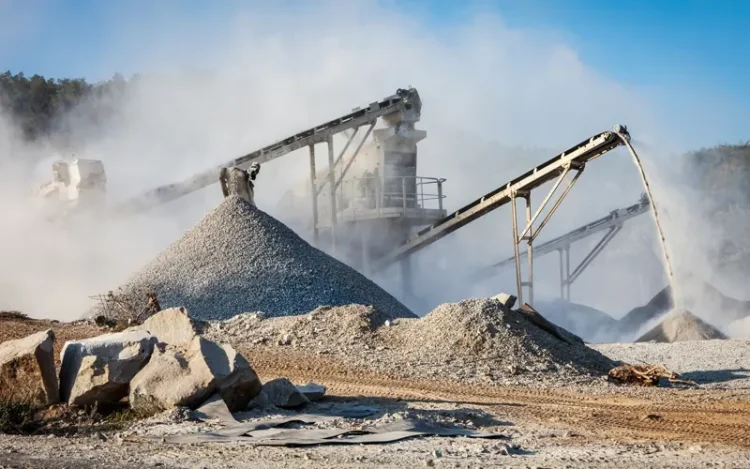
In the realm of industrial crushing equipment, jaw crushers and gyratory crushers are two of the most commonly used machines. Each has its own unique advantages and applications. This article explores the advantages of a jaw crusher compared to a gyratory crusher.
Introduction to Crushing Equipment
Crushing equipment is essential in mining and aggregate industries for reducing the size of rocks and ores. The choice between a jaw crusher and a gyratory crusher depends on several factors, including the nature of the material, the desired size reduction, and the production capacity.
Jaw Crusher Overview
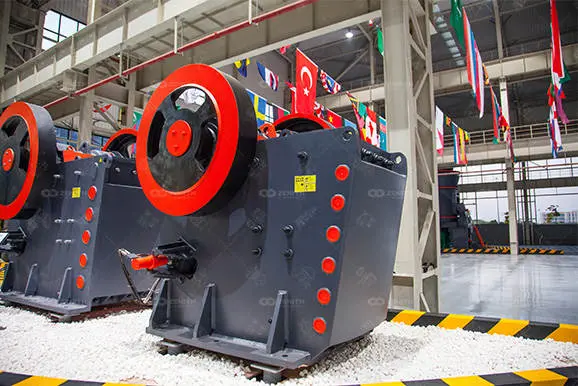
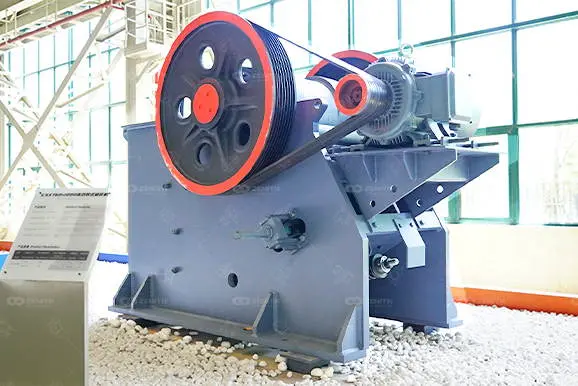
A jaw crusher consists of two plates, one fixed and the other moving, that crush material between them. It is known for its simplicity and efficiency in breaking down large, hard materials.
Key Features of Jaw Crushers
- Simple Design: Jaw crushers have a straightforward design that is easy to operate and maintain.
- Versatility: Suitable for various types of materials, including hard and abrasive rocks.
- Efficiency: Effective for primary crushing, reducing large rocks to smaller sizes.
Gyratory Crusher Overview
Gyratory crushers consist of a conical head and a concave surface, with the material being crushed in a circular motion. They are primarily used for large-scale operations.
Key Features of Gyratory Crushers
- High Capacity: Suitable for handling large volumes of material.
- Continuous Operation: Capable of continuous crushing, which is ideal for large-scale operations.
- Uniform Product Size: Produces a more uniform size compared to jaw crushers.
Advantages of Jaw Crushers
While both jaw crushers and gyratory crushers have their place in the industry, jaw crushers offer several advantages over gyratory crushers:
1. Simplicity and Ease of Maintenance
- Fewer Components: Jaw crushers have fewer components, making them easier to maintain and repair.
- Accessibility: Parts are generally more accessible, allowing for quicker maintenance and reduced downtime.
2. Versatility in Application
- Wide Range of Materials: Jaw crushers can handle a variety of materials, from soft to very hard, making them more versatile.
- Adjustable Output Size: The output size can be adjusted by changing the jaw plate position, providing more control over the final product.
3. Cost-Effectiveness
- Lower Initial Investment: Typically, jaw crushers have a lower initial purchase cost compared to gyratory crushers.
- Reduced Operating Costs: Due to their simpler design and ease of maintenance, jaw crushers often incur lower operating costs.
4. Compact Design
- Space Efficiency: Jaw crushers generally occupy less space, making them suitable for smaller operations or locations with limited space.
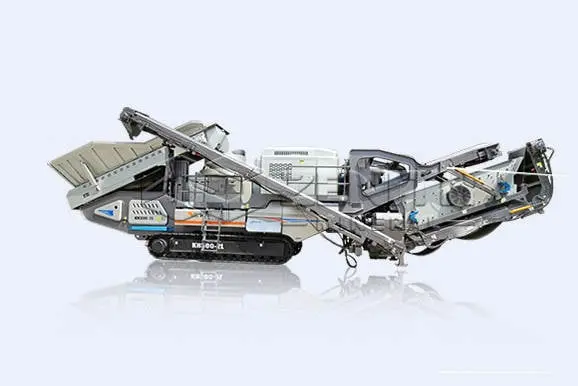
- Mobility: Some jaw crushers are designed to be mobile, allowing them to be easily relocated as needed.
Conclusion
Choosing between a jaw crusher and a gyratory crusher depends on the specific requirements of the operation. However, jaw crushers offer several advantages, including simplicity, versatility, cost-effectiveness, and compact design, making them a preferred choice for many applications. Understanding these advantages can help in making an informed decision when selecting crushing equipment for a particular project.