What happened in the vibrating screen
Time:17 September 2025
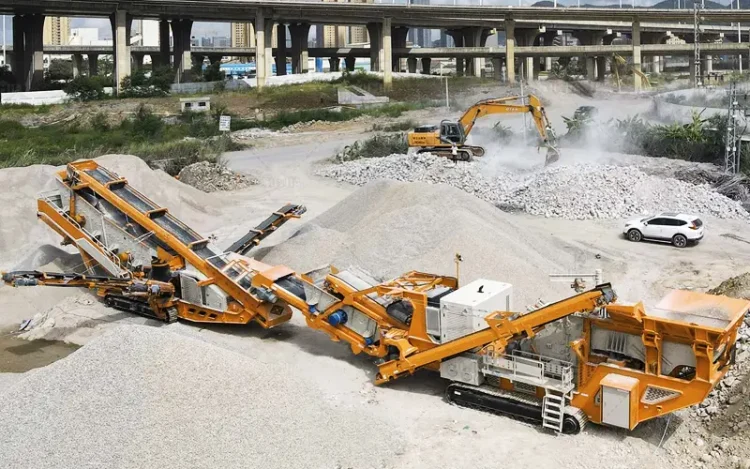
Vibrating screens are crucial components in various industries, including mining, construction, and recycling. They are used to separate materials according to size, ensuring efficient processing and quality control. This article delves into the intricacies of vibrating screens, exploring their function, common issues, and solutions.
Introduction to Vibrating Screens
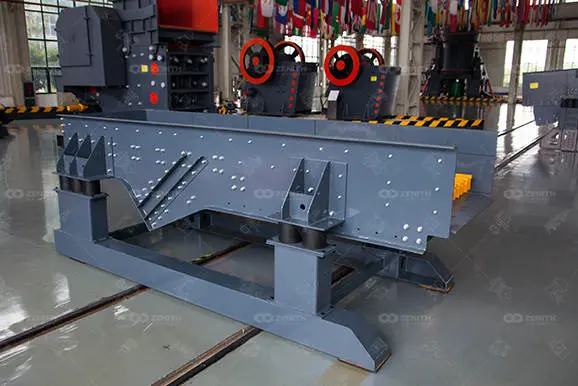
Vibrating screens are mechanical devices designed to separate materials based on size. They employ vibration to facilitate the movement of particles across the screen surface, allowing smaller particles to pass through while retaining larger ones.
Types of Vibrating Screens
There are several types of vibrating screens, each suited for specific applications:
- Inclined Screens: These are the most common type, featuring a sloped surface that facilitates material flow.
- Horizontal Screens: Used for precise screening, these screens offer better control over material flow.
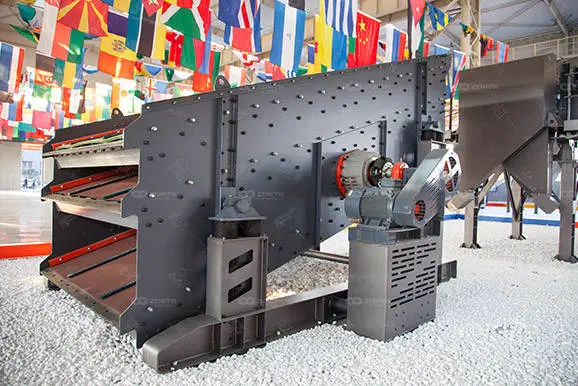
- Multi-Deck Screens: These screens have multiple layers, allowing for simultaneous separation of different sizes.
- High-Frequency Screens: Designed for fine material separation, these screens operate at higher frequencies.
How Vibrating Screens Work
The operation of vibrating screens is based on the principle of vibration, which is generated by:
- Motor: The primary source of vibration, driving the screen’s movement.
- Eccentric Shaft: Creates an elliptical motion, enhancing material separation.
- Screen Surface: The area where materials are separated.
Key Components
- Screen Media: The surface material that interacts directly with the particles.
- Vibrators: Devices that generate the necessary vibration.
- Frame: Supports the screen media and vibrators.
Common Issues in Vibrating Screens
Despite their efficiency, vibrating screens can encounter several problems that affect their performance:
Mechanical Failures
- Bearing Wear: Excessive vibration can lead to premature bearing failure.
- Loose Bolts: Vibrations can cause bolts to loosen, leading to structural issues.
Operational Challenges
- Material Overload: Excessive material can reduce screening efficiency.
- Clogged Screen Media: Fine particles can block the screen openings, hindering performance.
Maintenance Problems
- Inadequate Lubrication: Poor lubrication can cause increased friction and wear.
- Improper Tension: Incorrect tensioning of screen media can lead to inefficient operation.
Solutions and Best Practices
To mitigate these issues and ensure optimal performance, consider the following solutions:
Regular Maintenance
- Routine Inspections: Regularly check for wear and tear on components.
- Lubrication Schedule: Maintain a consistent lubrication routine to reduce friction.
Operational Adjustments
- Load Management: Ensure materials are fed at the correct rate to prevent overload.
- Screen Cleaning: Regularly clean screen media to prevent clogging.
Structural Reinforcement
- Tightening Bolts: Periodically check and tighten bolts to maintain structural integrity.
- Bearing Replacement: Replace worn bearings promptly to avoid further damage.
Conclusion
Vibrating screens are vital for efficient material processing across various industries. Understanding their operation, common issues, and solutions can significantly enhance their performance and longevity. By implementing regular maintenance, operational adjustments, and structural reinforcements, businesses can ensure their vibrating screens operate at peak efficiency.