What is gyratory crushers
Time:12 September 2025
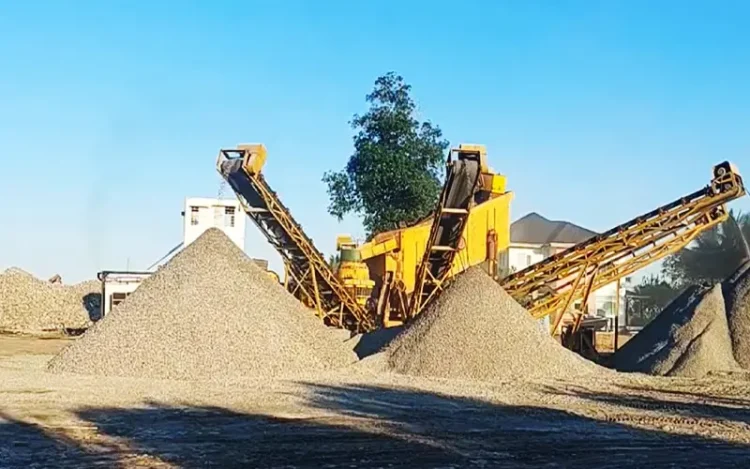
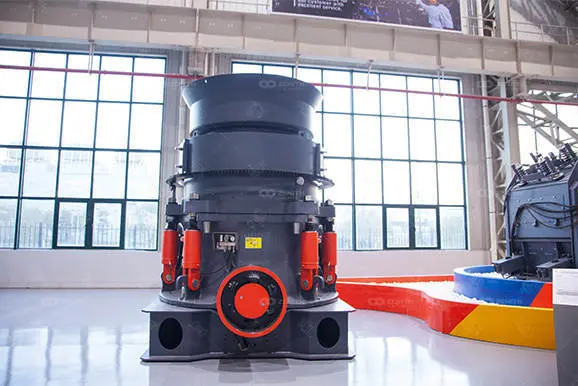
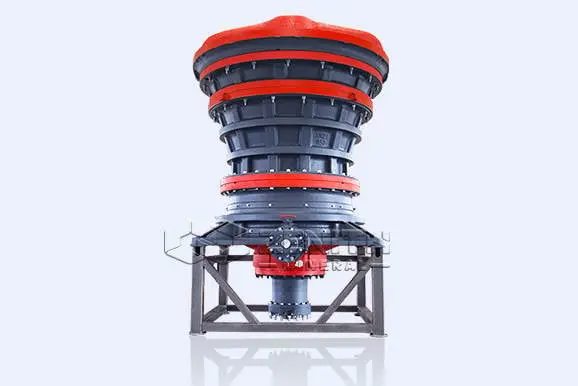
Gyratory crushers are a type of primary crusher used in mining and ore processing plants. They are designed to crush large rocks into smaller, more manageable pieces. These crushers are known for their high capacity and efficiency, making them a popular choice in the mining industry.
How Gyratory Crushers Work
Gyratory crushers operate on the principle of a gyrating spindle. The spindle is suspended from a “spider” and, as it rotates, it crushes the material against a stationary concave surface.
Key Components
- Spider: The top part of the crusher that holds the spindle in place.
- Mantle: The moving part that crushes the rock.
- Concave: The stationary surface against which the rock is crushed.
- Main Shaft: Supports the mantle and is driven by an eccentric mechanism.
- Eccentric Mechanism: Provides the gyratory motion necessary for crushing.
Advantages of Gyratory Crushers
Gyratory crushers offer several advantages over other types of crushers:
- High Capacity: They can handle large volumes of material, making them suitable for high-production environments.
- Efficient Crushing: The continuous crushing action leads to more efficient processing.
- Uniform Product Size: The gyratory motion ensures a consistent product size.
- Durability: Built to withstand heavy-duty operations, they have a long operational life.
Applications of Gyratory Crushers
Gyratory crushers are primarily used in:
- Mining: For crushing ores and rocks in large-scale mining operations.
- Quarrying: To process large boulders into smaller aggregates.
- Cement Industry: For crushing limestone and other raw materials.
Types of Gyratory Crushers
There are several types of gyratory crushers, each designed for specific applications:
Primary Gyratory Crushers
- Purpose: Used for the initial phase of crushing large rocks.
- Features: High throughput and large feed opening.
Secondary Gyratory Crushers
- Purpose: Used after primary crushers to further reduce material size.
- Features: Smaller feed opening and more precise product size control.
Maintenance of Gyratory Crushers
Regular maintenance is crucial to ensure the longevity and efficiency of gyratory crushers. Key maintenance tasks include:
- Lubrication: Regularly check and maintain lubrication systems to prevent wear.
- Inspection: Periodically inspect wear parts such as mantles and concaves.
- Alignment: Ensure the spindle and other components are properly aligned.
- Monitoring: Use sensors and monitoring systems to detect potential issues early.
Safety Considerations
Operating gyratory crushers involves several safety considerations:
- Training: Operators should be properly trained in the use and maintenance of the equipment.
- Protective Gear: Use appropriate personal protective equipment (PPE) at all times.
- Lockout/Tagout: Follow lockout/tagout procedures during maintenance to prevent accidental startup.
- Emergency Protocols: Establish and communicate emergency procedures in case of equipment failure.
Conclusion
Gyratory crushers are a vital component in the mining and aggregates industries, providing efficient and effective crushing solutions. Their high capacity, durability, and ability to produce uniform product sizes make them indispensable in large-scale operations. Understanding their functionality, maintenance, and safety considerations is essential for optimizing their performance and ensuring safe operation.