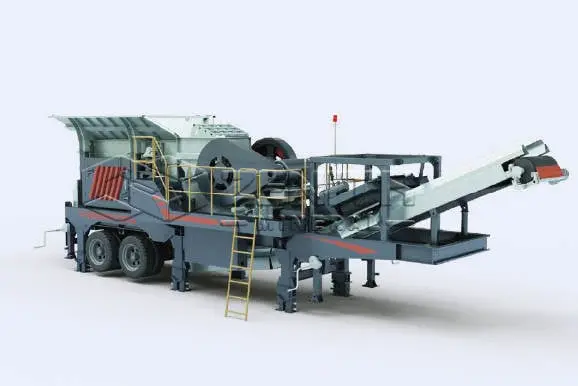
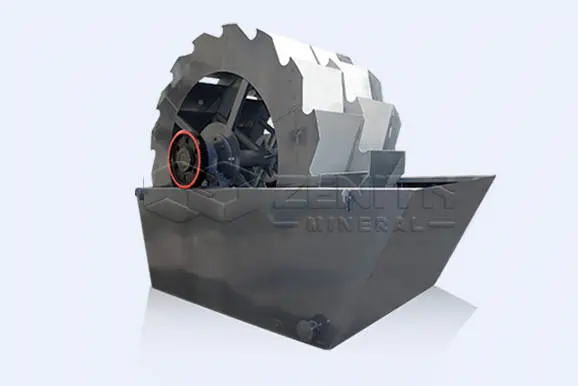
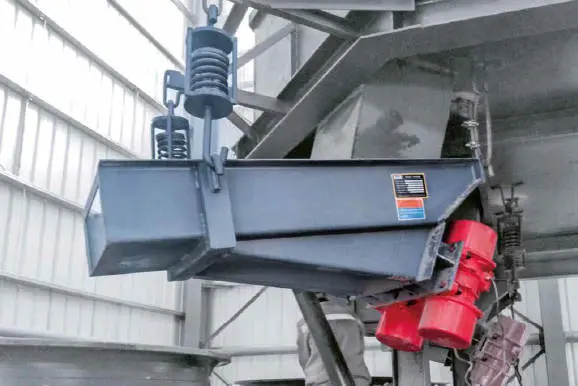
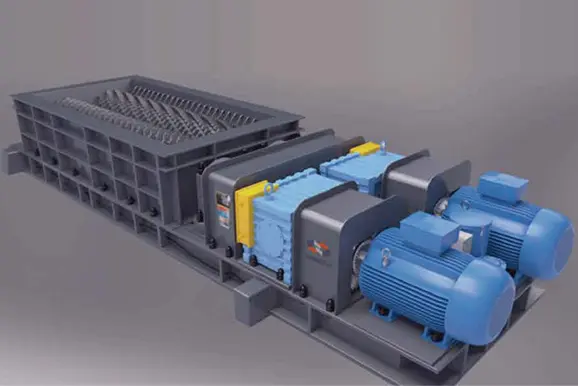
What is the best design for stone screening equipment
Time:17 September 2025
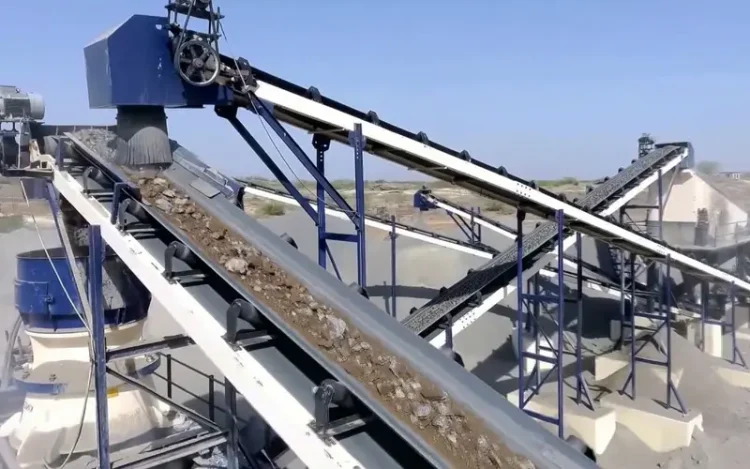
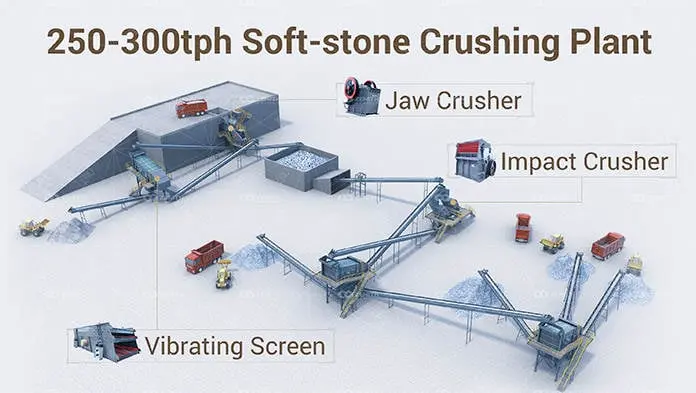
Stone screening equipment plays a crucial role in the mining and construction industries, where it is used to separate different sizes of crushed stone, gravel, and sand. The design of this equipment significantly impacts its efficiency, durability, and cost-effectiveness. This article explores the key aspects of designing the best stone screening equipment.
Key Considerations in Design
When designing stone screening equipment, several factors must be taken into account to ensure optimal performance:
1. Material Type and Characteristics
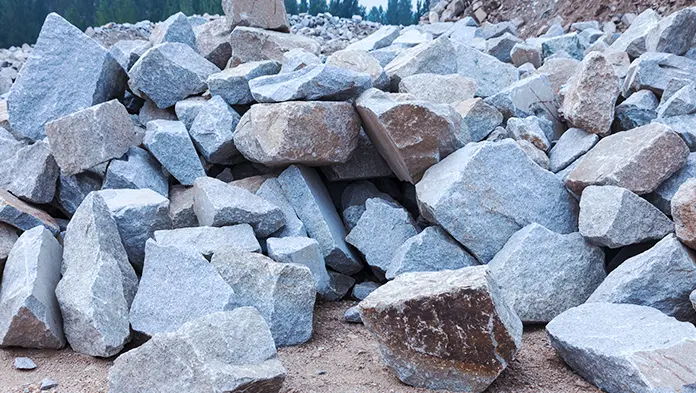
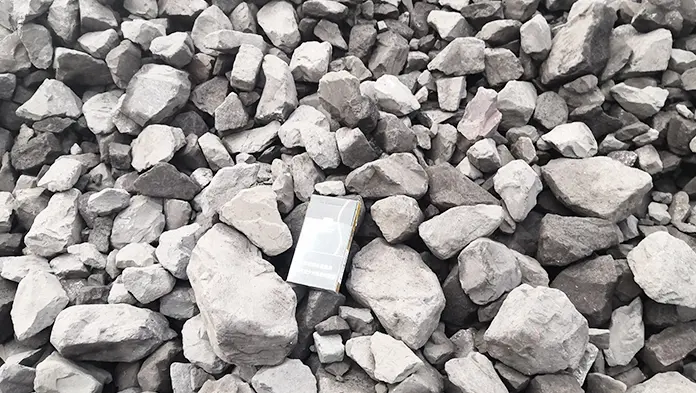
- Hardness: The hardness of the stone can affect the wear and tear on the screening equipment. Harder stones require more robust materials for construction.
- Moisture Content: High moisture content can lead to clogging and reduced efficiency. Equipment should be designed to handle varying moisture levels.
- Particle Size: The range of particle sizes to be screened will determine the mesh size and type of screen.
2. Capacity Requirements
- Throughput: The equipment must be capable of handling the desired throughput without compromising efficiency.
- Scalability: Design should allow for easy scalability to accommodate future increases in production.
3. Efficiency and Accuracy
- Screening Efficiency: The design should maximize the separation of different particle sizes.
- Accuracy: Accurate separation is crucial to meet industry standards and customer specifications.
4. Durability and Maintenance
- Material Selection: Use of high-quality, wear-resistant materials can extend the lifespan of the equipment.
- Ease of Maintenance: Design should allow for easy access to components for maintenance and repairs.
Types of Stone Screening Equipment
Different types of screening equipment are available, each with its own advantages and best use cases:
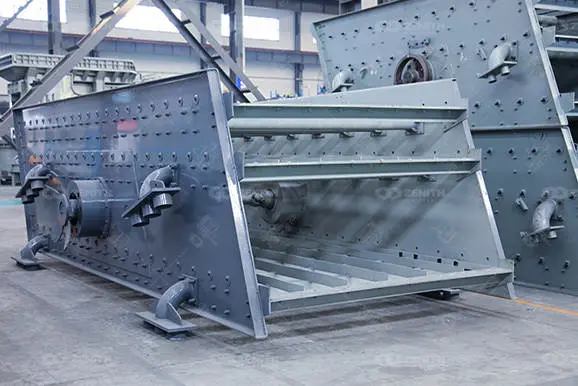
1. Vibrating Screens
- Inclined Screens: Suitable for high-capacity applications, inclined screens use gravity to assist in the screening process.
- Horizontal Screens: Provide better control over the screening process and are ideal for fine particle separation.
2. Rotary Trommels
- Design: Consist of a rotating drum with screen panels that separate materials based on size.
- Advantages: Effective for handling wet and sticky materials.
3. Grizzly Screens
- Functionality: Use a series of parallel bars to separate larger stones from finer materials.
- Use Case: Ideal for primary screening and heavy-duty applications.
Design Features for Optimal Performance
To achieve the best design for stone screening equipment, consider incorporating the following features:
1. Adjustable Settings
- Variable Speed Drives: Allow operators to adjust the vibration speed to optimize performance for different materials.
- Adjustable Incline: Enables fine-tuning of the screening process for better efficiency.
2. Advanced Control Systems
- Automation: Implementing automated control systems can enhance precision and reduce the need for manual intervention.
- Monitoring Sensors: Real-time monitoring of equipment performance can help in predictive maintenance and reduce downtime.
3. Noise and Dust Control
- Enclosures and Barriers: Design should include features to minimize noise and dust emissions, ensuring a safer working environment.
- Dust Collection Systems: Integration of dust collection systems can improve air quality and reduce environmental impact.
Conclusion
The best design for stone screening equipment is one that balances efficiency, durability, and cost-effectiveness. By considering factors such as material characteristics, capacity requirements, and maintenance needs, designers can create equipment that meets the demands of modern mining and construction operations. Incorporating advanced technologies and design features can further enhance performance, ensuring the equipment remains competitive in a rapidly evolving industry.