What is the mining process of barite
Time:16 September 2025
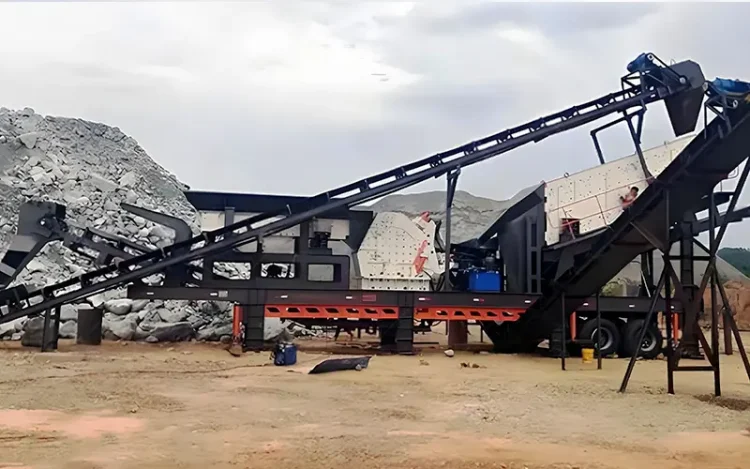
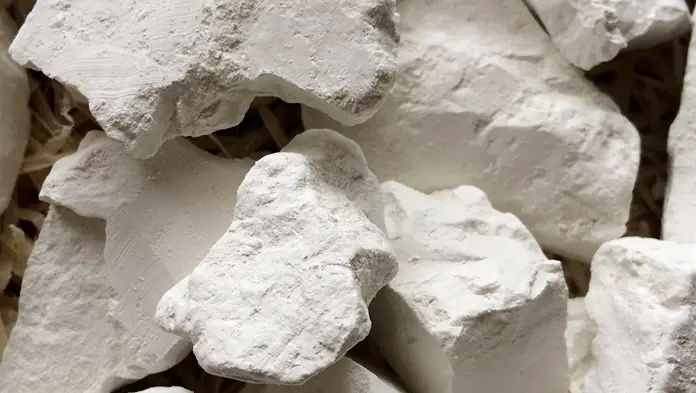
Barite, also known as baryte, is a mineral consisting of barium sulfate (BaSO₄). It is widely used in various industries, including oil and gas drilling, due to its high density and chemical inertness. This article provides a comprehensive overview of the mining process of barite, detailing each stage from exploration to processing.
Overview of Barite Mining
Barite mining involves several steps that ensure the efficient extraction and processing of the mineral. The process can be broadly categorized into:
- Exploration
- Extraction
- Processing
Exploration
The first step in the mining process is exploration, which involves identifying potential barite deposits.
Methods of Exploration
- Geological Surveys: Conducting detailed studies of the geological formations to locate barite deposits.
- Geophysical Methods: Using techniques such as seismic, magnetic, and gravity surveys to detect the presence of barite.
- Geochemical Analysis: Sampling soil and rock to analyze the chemical composition and identify barite concentrations.
Extraction
Once a viable deposit is identified, the extraction process begins. This involves removing the barite from the earth.
Techniques for Extraction
- Open-pit Mining: Suitable for shallow deposits, where barite is extracted from the surface.
- Underground Mining: Used for deeper deposits, involving tunneling and shaft sinking to access the mineral.
- Drilling and Blasting: Employed to break up the rock formations containing barite, facilitating easier removal.
Processing
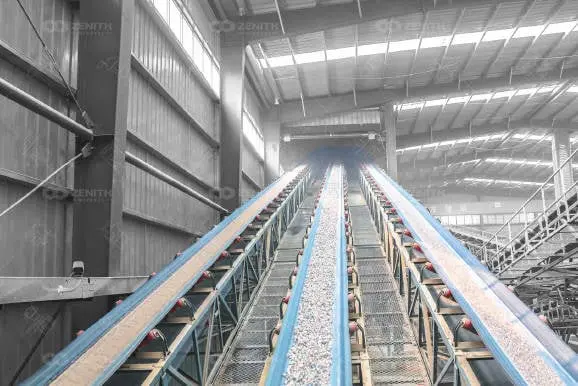
After extraction, the barite undergoes several processing steps to prepare it for industrial use.
Processing Steps
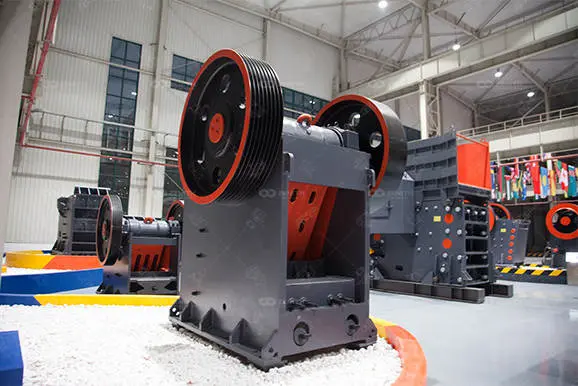
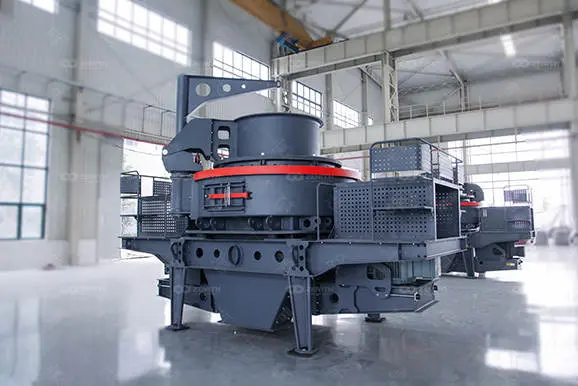
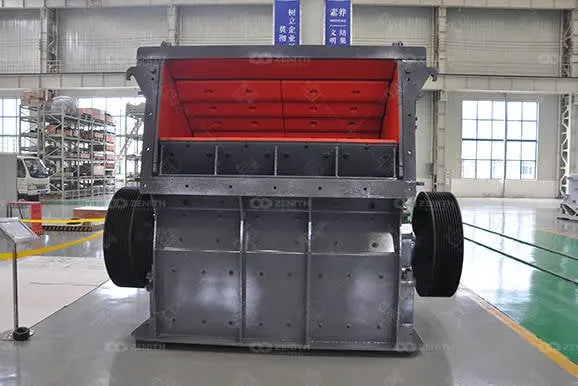
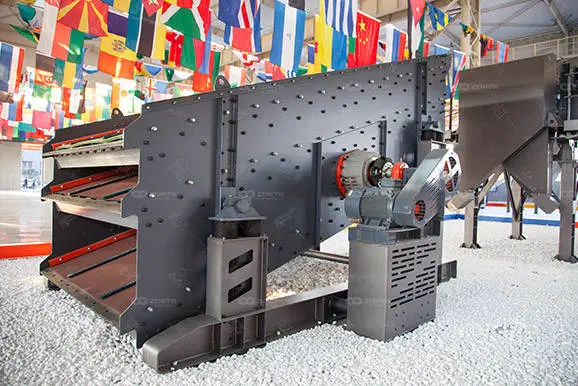
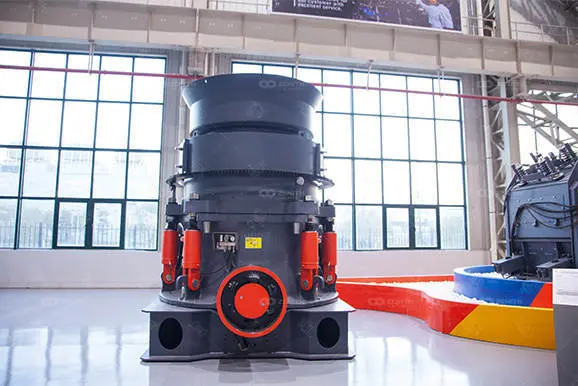
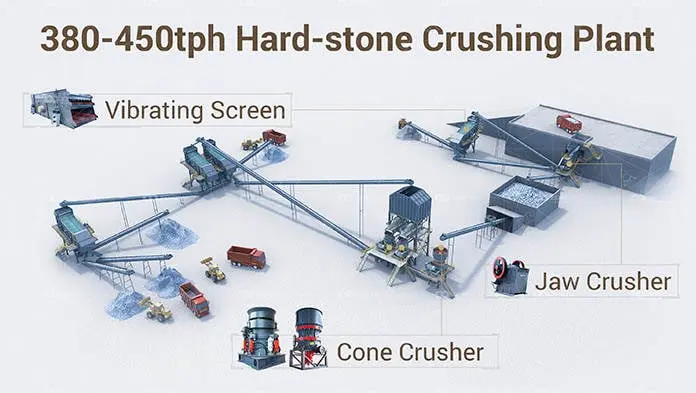
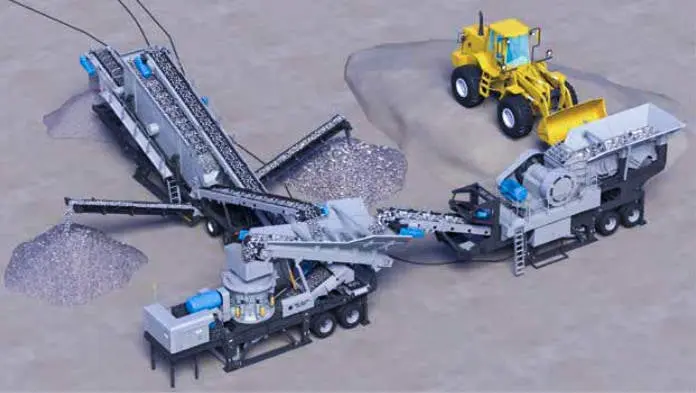
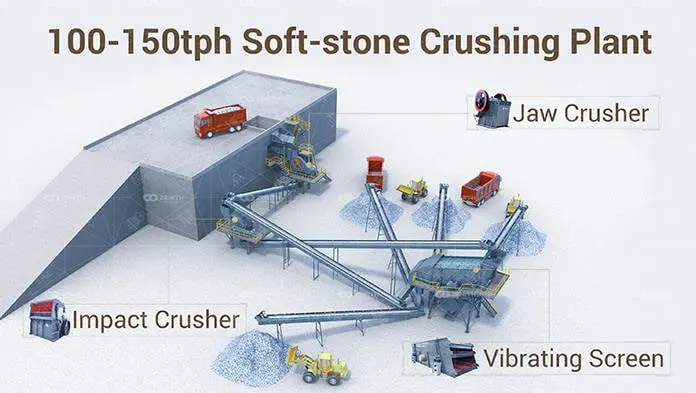
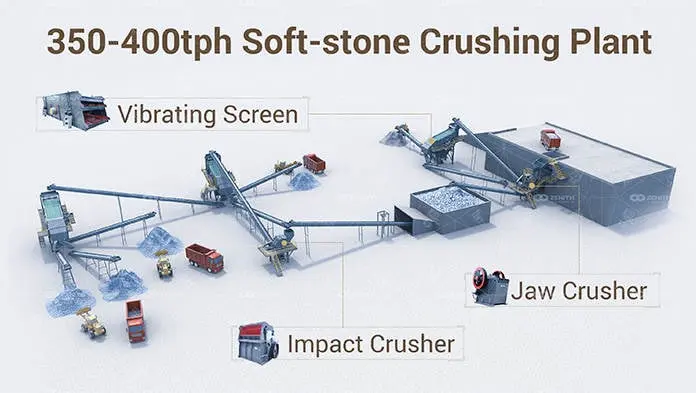
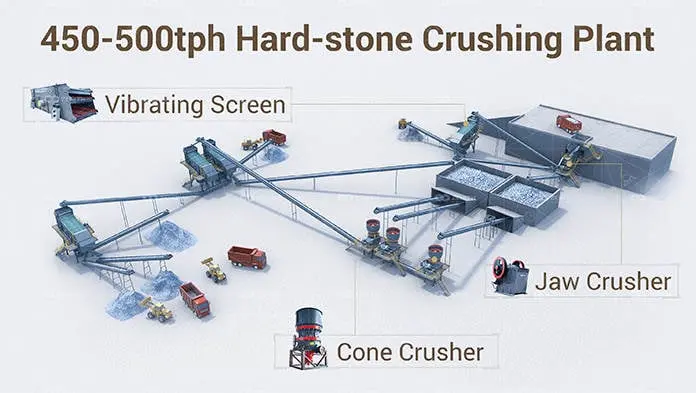
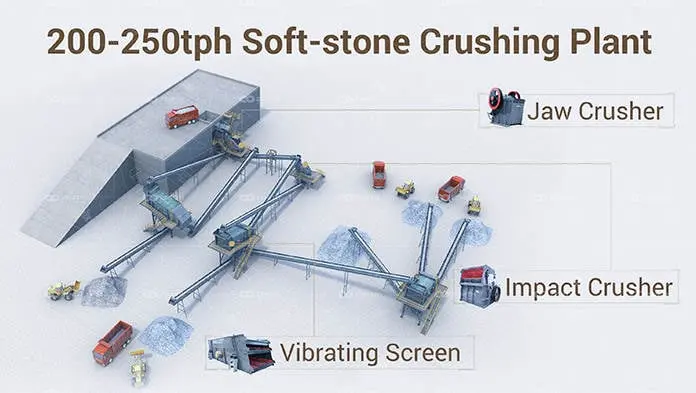
- Crushing: The extracted barite is crushed to break down large chunks into smaller pieces.
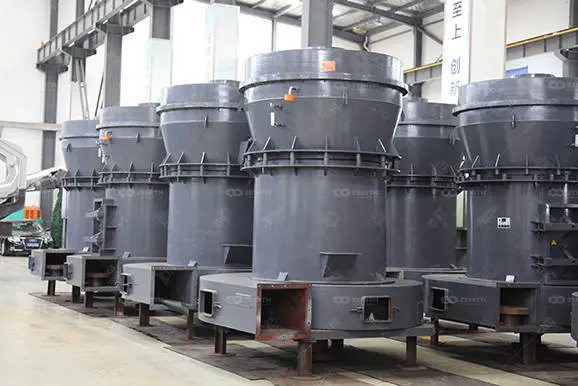
- Grinding: Further grinding reduces the size of the barite particles to a fine powder.
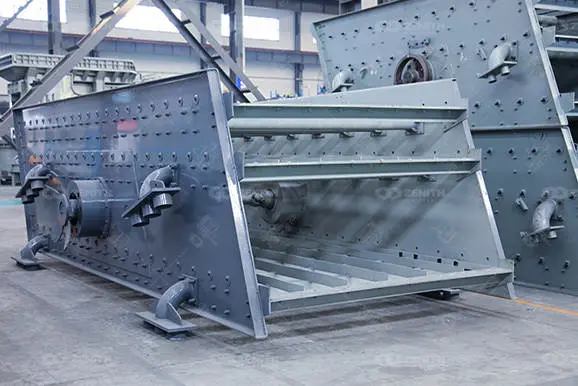
- Separation: Techniques such as flotation and gravity separation are used to remove impurities and concentrate the barite.
- Drying: The concentrated barite is dried to remove moisture.
- Packaging: Finally, the processed barite is packaged for distribution to various industries.
Environmental Considerations
Barite mining, like any mining activity, can have environmental impacts. It is crucial to implement measures to minimize these effects.
Environmental Management Practices
- Reclamation: Restoring the mined land to its natural state or repurposing it for other uses.
- Waste Management: Proper disposal of mining waste to prevent contamination.
- Water Management: Ensuring that water used in mining processes is treated and reused where possible.
Applications of Barite
Barite is primarily used in the oil and gas industry as a weighting agent in drilling mud. Other applications include:
- Paints and Coatings: As a filler to improve the quality and durability of paints.
- Plastics: Used to enhance the density and strength of plastic products.
- Medical: In diagnostic tests, such as X-ray imaging, due to its opacity.
Conclusion
The mining process of barite involves a series of well-coordinated steps from exploration to processing. Understanding these processes is essential for efficient extraction and utilization of barite, while also ensuring environmental sustainability. As demand for barite continues to grow, advancements in mining technology and practices will play a crucial role in meeting industry needs.