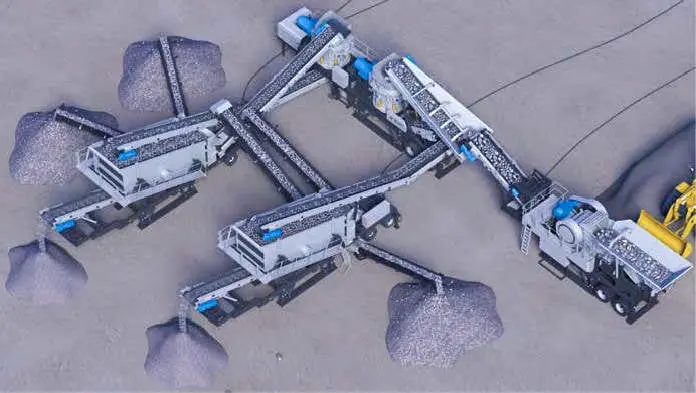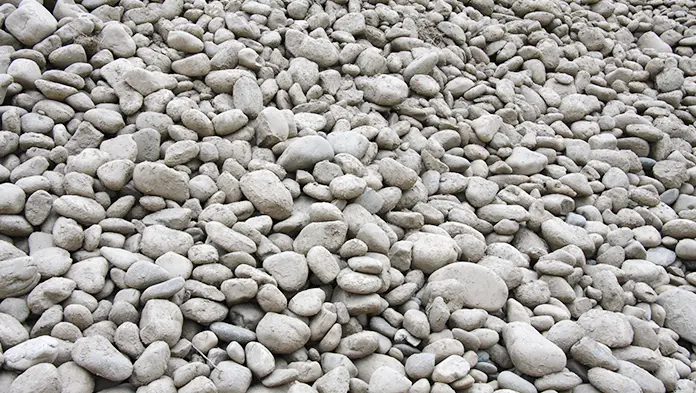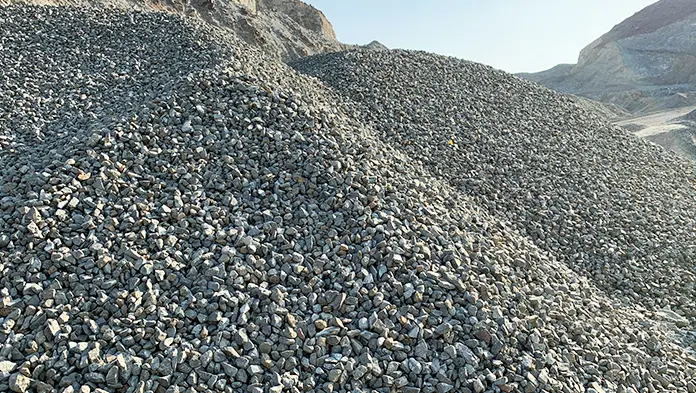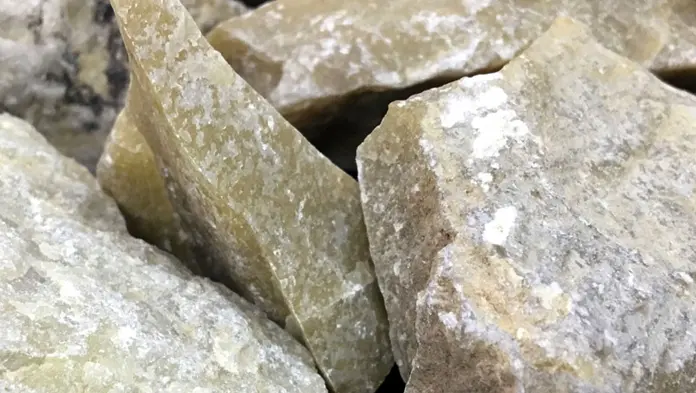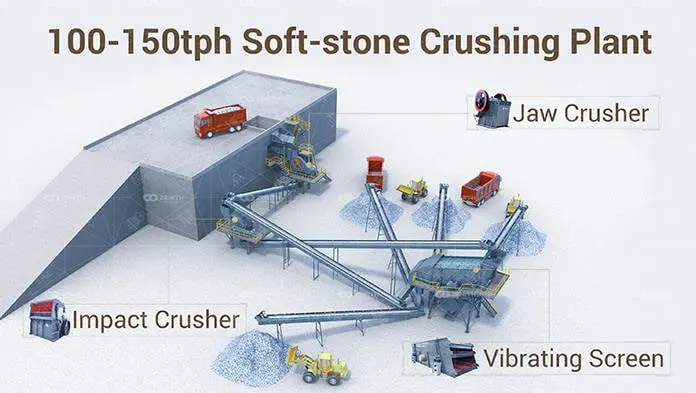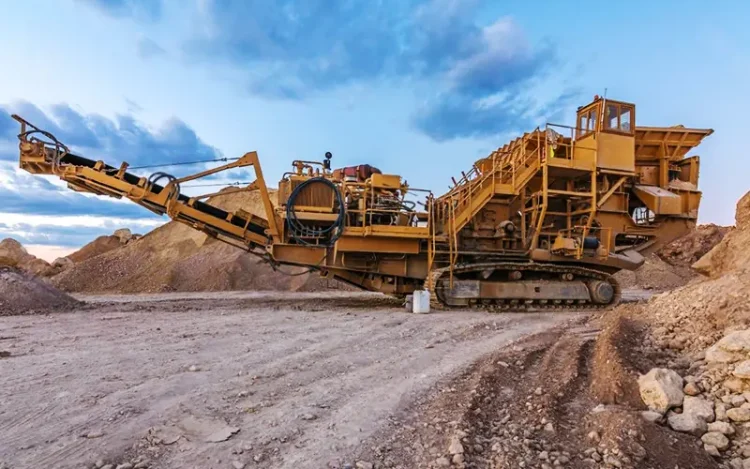
Stone crushing plants are essential in the construction and mining industries, providing the raw materials needed for building infrastructure and extracting valuable minerals. These plants utilize a variety of machines to crush and process stones into different sizes and shapes. This article explores the essential machinery required in a stone crushing plant.
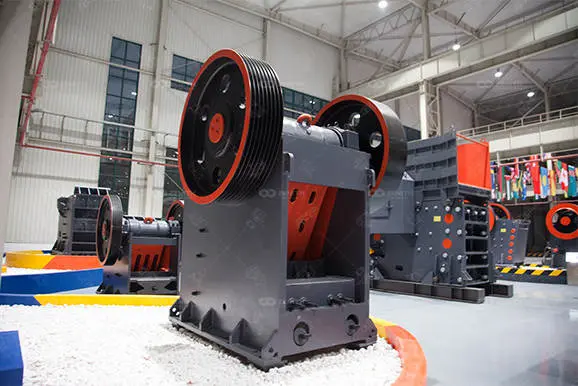
The primary crushing stage is the first step in the stone crushing process, where large rocks are reduced to smaller, manageable sizes.
– High crushing ratio
– Simple structure
– Reliable operation
– Easy maintenance
– Continuous crushing capability
– High capacity
– Suitable for hard and abrasive materials
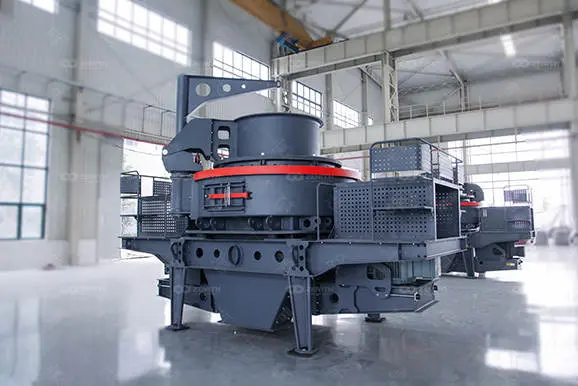
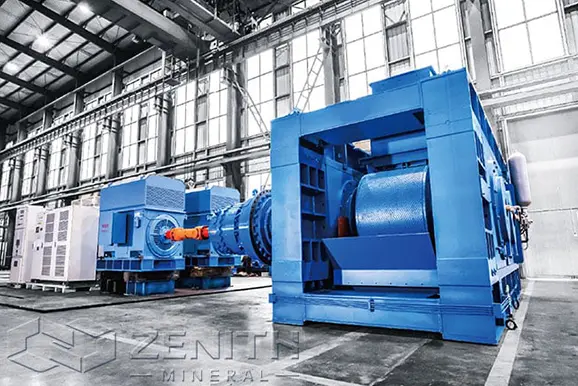
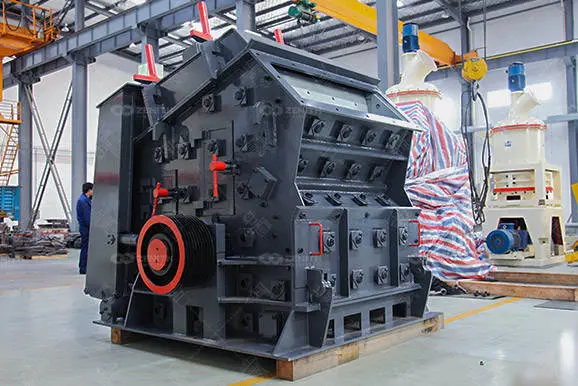
After primary crushing, the material is further reduced in size to meet specific requirements.
– High efficiency
– Good product shape
– Suitable for medium to hard materials
– High reduction ratio
– Produces cubic-shaped particles
– Adjustable discharge size
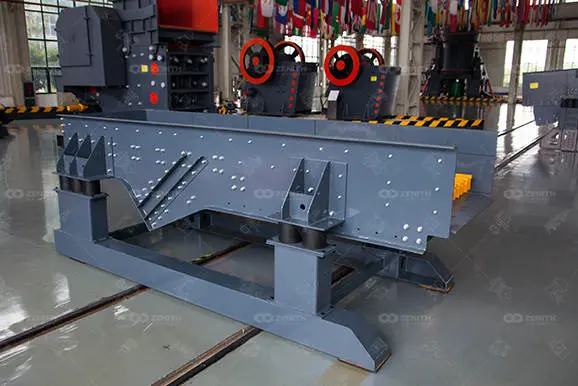
Screening is crucial in ensuring that the crushed material meets the desired specifications.
– High screening efficiency
– Adjustable amplitude and frequency
– Durable and reliable
Conveyors transport material throughout the crushing plant, ensuring smooth operation and efficient workflow.
– High load capacity
– Customizable length and width
– Energy-efficient operation
Auxiliary equipment supports the main crushing and screening processes, enhancing plant efficiency and safety.
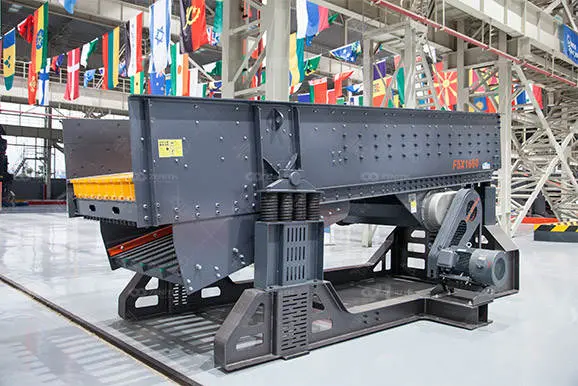
– Vibrating Feeder: Ensures even and continuous feeding.
– Grizzly Feeder: Separates fines before primary crushing.
– Water spray systems
– Dust collectors
– Environmental compliance
– Real-time data monitoring
– Remote control capabilities
– Safety interlocks
Stone crushing plants require a combination of machinery to efficiently process raw materials into usable products. From primary crushers like jaw and gyratory crushers to secondary options such as cone and impact crushers, each machine plays a vital role in the overall operation. Additionally, screening, conveying, and auxiliary equipment ensure that the plant runs smoothly and meets production goals. Understanding the function and features of each machine helps in optimizing plant performance and achieving desired outcomes.