नवीनतम स्मेल्टर्समध्ये निकेल खाणांसाठी थेट कमीकरण प्रक्रिया कशी कार्य करते
वेळ:२७ ऑक्टोबर २०२५

सिधा कमीकरण प्रक्रिया हे निकेल त्याच्या खाणींपासून काढण्यासाठी एक महत्त्वाची पद्धत आहे, विशेषतः आधुनिक स्मेल्टरमध्ये. ही प्रक्रिया निकेल प्रभावीपणे काढण्यासाठी तयार केलेली आहे, ज्यामुळे ऊर्जा वापर आणि पर्यावरणीय प्रभाव कमी होतो. हा लेख सिधा कमीकरण प्रक्रियेतील गुंतागुती, तिचे फायदे आणि आधुनिक स्मेल्टरमध्ये तिचा कार्यान्वयन यांचा अभ्यास करतो.
सिधा कमीकरण प्रक्रियेचा आढावा
सिडी रिडक्शन प्रक्रिया म्हणजे निकेल खनिजांचे वितळल्याशिवाय कमीकरण. ही पद्धत पारंपारिक स्मेल्टिंगपेक्षा वेगळी आहे, जिथे खनिज वितळवून धातू वेगळा केला जातो. या प्रक्रियेचा फायदा म्हणजे ऊर्जा कार्यक्षमता आणि कमी उत्सर्जन.
कळीचे वैशिष्ट्ये
- तापमान नियंत्रण: पारंपारिक धातुकला यांत्रिकांपेक्षा कमी तापमानावर कार्य करते.
- ऊर्जा कार्यक्षमता: खाण प्रक्रियेतून धातू वितळवण्याची गरज टाळल्यामुळे ऊर्जा वापर कमी करते.
- पर्यावरणीय परिणाम: कमी उत्सर्जन निर्माण करते, त्यामुळे हे अधिक पर्यावरणास अनुकूल आहे.
सिधा कमीकरण प्रक्रियेमध्ये चरण
निकल खनिजांच्या थेट कमी करण्यामध्ये अनेक महत्त्वाच्या टप्प्यांचा समावेश आहे, प्रत्येक Nickel च्या कार्यक्षम निष्कसनामध्ये योगदान देत आहे.
1. खनिज तयारी
प्रारंभिक चरणात निकेल खाणे कमी करण्यासाठी तयार करणे समाविष्ट आहे. यामध्ये:
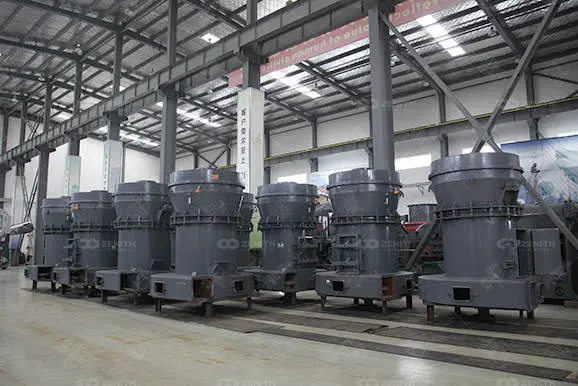
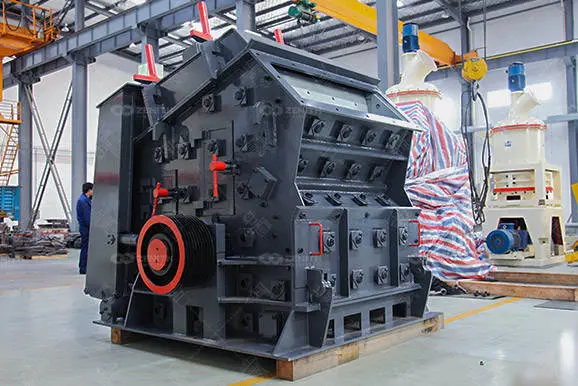
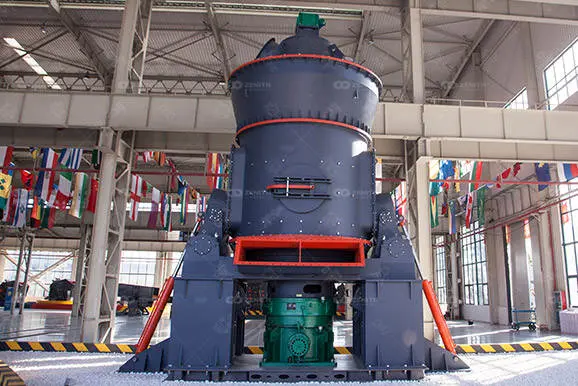
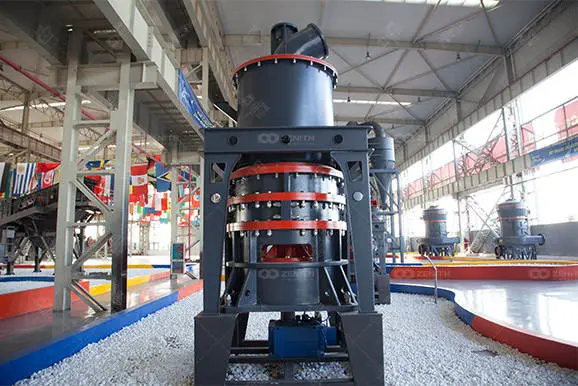
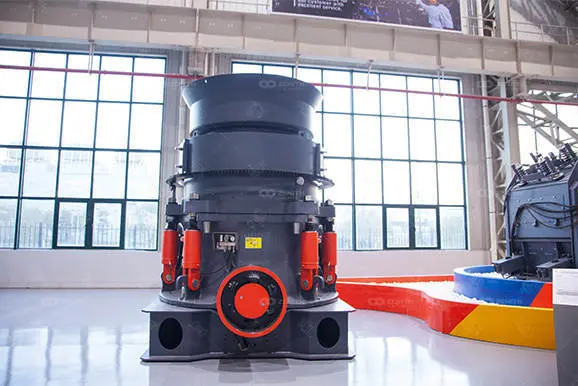
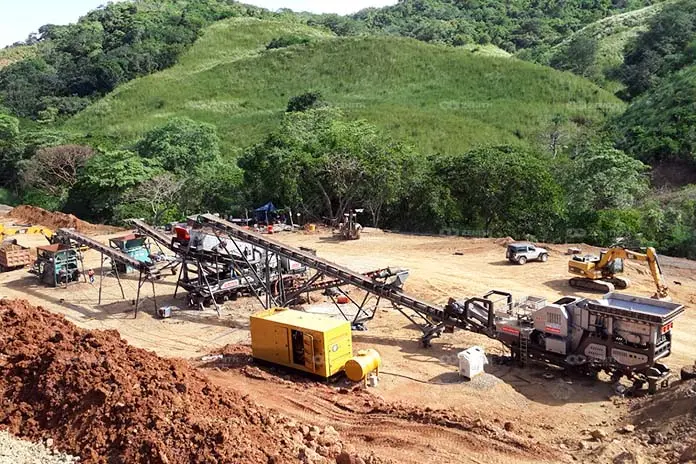
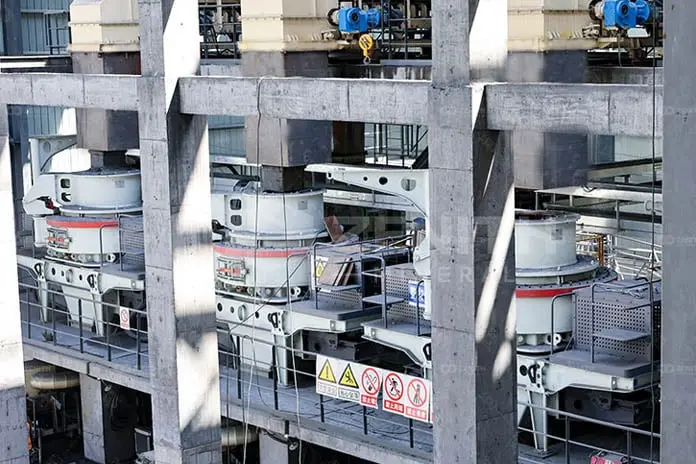
- क्रशिंग आणि ग्राइंडिंग: कमी करून खनिजाच्या आकाराचे क्षेत्रफळ वाढवणे कमी करण्याच्या प्रतिक्रियेसाठी.
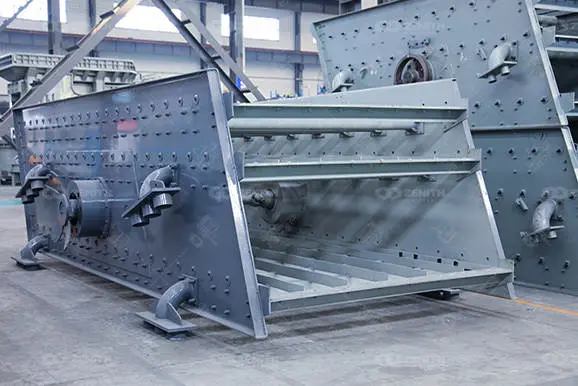
- स्क्रीनिंग: खनिजांचे समान प्रक्रियेसाठी विविध आकाराच्या खंडात विभाजन करणे.
2. पूर्व-कपात उपचार
कमीकरणाच्या आधी, खनिजे सहसा पूर्वकमीकरण उपचारांमुळे जातात:
- सुकवणे: कमी करण्याच्या वेळी वाफ तयार होणार नाही यासाठी आर्द्रता सामग्री काढून टाकणे.
- कैलिनेशन: खाणीत असलेल्या उष्मीय घटकांना काढून टाकण्यासाठी खाणाला तापवणे आणि त्यास कमी करण्यासाठी तयार करणे.
३. कमी करण्याची प्रक्रिया
थेट कमीकरण प्रक्रियेचा मुख्य भाग निकेल खनिजांचे रासायनिक कमीकरण आहे:
- कमी करणारे एजंट: सामान्यतः, हायड्रोजन किंवा कार्बन मोनोक्साइडला निघाल्याचे ऑक्साइड धातूच्या निघाल्यांत कमी करण्यासाठी वापरले जाते.
- नियंत्रित वातावरण: या प्रक्रियेमध्ये ऑक्सीडेशन टाळण्यासाठी आणि कार्यक्षम कमी करण्यासाठी नियंत्रित वातावरणात प्रक्रिया केली जाते.
4. थंड करणे आणि हाताळणे
कमी झाल्यानंतर, उत्पादन थंड केले जाते आणि पुनः-ऑक्सिडेशन टाळण्यासाठी काळजीपूर्वक हाताळले जाते:
- थंड करणे: कमी केलेल्या निकेलला स्थिर करण्यासाठी हळूहळू थंड करणे.
- हाताळणी: ऑक्सिडेशन टाळण्यासाठी निष्क्रिय वातावरण किंवा जलद थंड करण्याच्या तंत्रांचा वापर करणे.
सिध्द थेट कमीकरण प्रक्रिया फायदे
सिद्ध थेट कमीकरण प्रक्रियेला पारंपरिक स्मेल्टिंग पद्धतींच्या तुलनेत अनेक फायदा आहेत:
- कमी ऊर्जा वापर: वितळण्याच्या टप्प्यास टाळण्यामुळे ऊर्जा आवश्यकतांमध्ये महत्त्वाची घट होते.
- कमी झालेल्या उत्सर्जन: या प्रक्रियेमुळे कमी ग्रीनहाऊस वायू आणि प्रदूषक तयार होतात.
- सुधारित धातू पुनर्प्राप्ती: नियंत्रणीत प्रक्रिया परिस्थितींमुळे निकेलच्या उच्च पुनर्प्राप्ती दर.
आधुनिक स्मेल्टर्समध्ये अंमलबजावणी
आधुनिक स्मेल्टर्सनी कार्यक्षमता आणि पर्यावरणीय फायद्यांमुळे थेट कमीकरण प्रक्रिया स्वीकारली आहे. याची अंमलबजावणी खालील गोष्टींमध्ये समाविष्ट आहे:
उन्नत तंत्रज्ञान
- ऑटोमेशन: तापमान आणि वातावरणाच्या अचूक नियंत्रणासाठी स्वयंचलित प्रणालींचा वापर.
- निगरानी प्रणाली: सर्वोत्तम परिस्थिती सुनिश्चित करण्यासाठी प्रक्रियेसंबंधीच्या पॅरामीटर्सचे वास्तविक-कालीन निरीक्षण.
अवश्यक प्रणालींसोबत एकत्रीकरण
- हायब्रिड प्रणाली: सुधारित लवचिकतेसाठी थेट कमीकरणास पारंपरिक पद्धतींशी एकत्रित करणे.
- पुन्हा सुधारणा: थेट कमीकरण क्षमतांचा समावेश करण्यासाठी विद्यमान स्मेल्टर्सचे सुधारणा करणे.
निष्कर्ष
डायरेक्ट रिडक्शन प्रोसेसिंग निसान कमी करणे या प्रक्रियेत महत्त्वपूर्ण प्रगती दर्शवितो. ऊर्जेच्या कार्यक्षमतेवर आणि पर्यावरणीय टिकाऊपणावर लक्ष केंद्रित करून, आधुनिक स्मेल्टर्स ह्या पद्धतीचा अधिकाधिक अवलंब करत आहेत. तंत्रज्ञान सतत विकसित होत असताना, डायरेक्ट रिडक्शन प्रोसेसिंग निसान कमी करण्याच्या भविष्यामध्ये आणखी महत्त्वाची भूमिका बजावेल अशी शक्यता आहे.