info@chinagrindingmill.net
+8613661969651
english En
English (Note: The word "English" is translated as "इंग्रजी" in Marathi. If you need more content translated or any specific text, please provide that text.) 中文版 हिंदी स्पॅनिश फ्रेंच अरबी बंगाली रशियन पोर्तुगीज इंडोनेशियन उर्दू जर्मन जपानी स्वाहिली Turkish Italian Korean Vietnamese Tamil Punjabi Persian (Farsi) Thai Dutch Polish Ukrainian Romanian Greek Hebrew Swedish Czech Hungarian Danish Finnish Norwegian Malay Tagalog (Filipino) Gujarati Kannada Burmese Amharic Hausa Somali Yoruba Zulu Afrikaans Nepali Sinhala Khmer Lao Mongolian Javanese Telugu Marathi Malayalam Uyghur
SHANGHAI ZENITH MINERAL CO.,LTD. SHANGHAI ZENITH MINERAL CO.,LTD.
  • Home
  • About
  • Products
    Mobile CrusherStone CrusherGrinding MillsModular CrushersMining Equipment
  • Cases
  • Solutions
  • Library
  • Contact
  • Quote Now
  • Home
  • Downloads
  • what is a primary and secondary crusher

what is a primary and secondary crusher

Time:12 September 2025

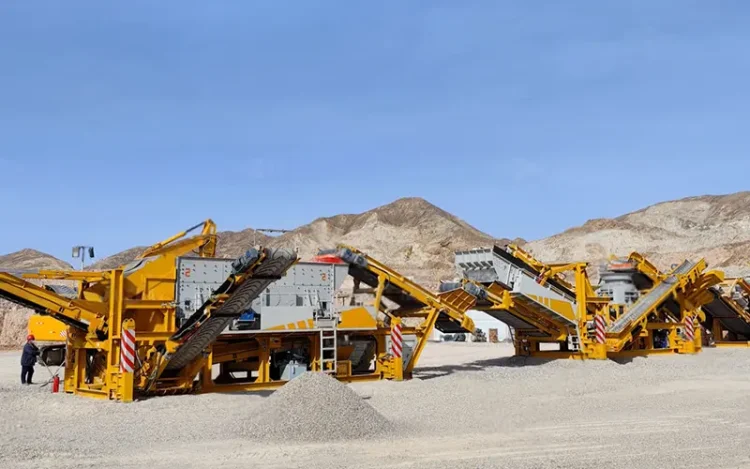
In the field of mining and construction, crushers play a pivotal role in processing raw materials. They are essential in reducing large rocks into smaller, manageable sizes. This article explores the concepts of primary and secondary crushers, their functions, and their significance in the crushing process.

What is a Crusher?

A crusher is a machine designed to reduce large rocks into smaller rocks, gravel, or rock dust. Crushers may be used to reduce the size or change the form of waste materials so they can be more easily disposed of or recycled.

Types of Crushers

Crushers are categorized based on their stage in the crushing process. The two main types are:

  1. Primary Crushers
  2. Secondary Crushers

Primary Crushers

Primary crushers are the first machines in the crushing process. They are designed to handle large, rough materials directly from the mine or quarry. The primary crusher’s main purpose is to reduce the size of the raw material to a manageable level for secondary crushers.

Characteristics of Primary Crushers

  • Large Feed Opening: Primary crushers have a large feed opening to accommodate the large size of the raw material.
  • High Capacity: They are capable of processing large volumes of material.
  • Robust Construction: Built to withstand heavy-duty operations and the harsh conditions of mining environments.

Types of Primary Crushers

  • Jaw Crushers: Use compressive force for breaking material. Suitable for hard and abrasive rocks.
  • Gyratory Crushers: Similar to jaw crushers but with a gyrating spindle that crushes the material against a stationary surface.
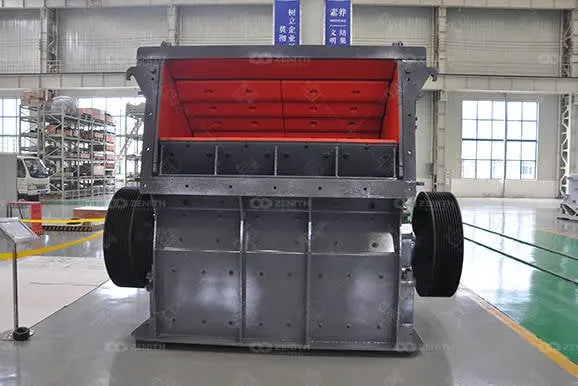
  • Impact Crushers: Utilize impact force to break down materials, ideal for softer materials.

Secondary Crushers

Secondary crushers come into play after the primary crushers have reduced the material to a smaller size. The secondary crusher further reduces the material to the desired size and shape.

Characteristics of Secondary Crushers

  • Smaller Feed Size: They handle material that has been pre-processed by primary crushers.
  • Finer Output: Produce finer material suitable for further processing or direct use.
  • Versatility: Capable of handling a variety of materials and producing different sizes and shapes.

Types of Secondary Crushers

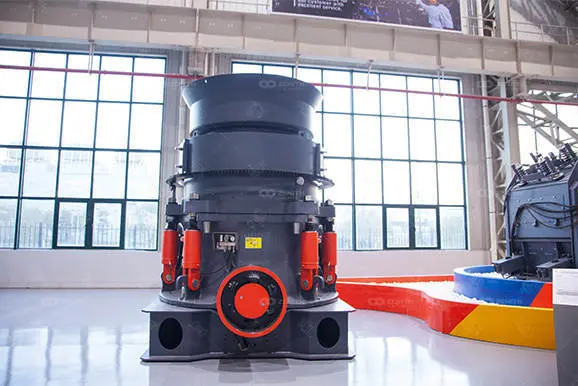
  • Cone Crushers: Use a rotating cone inside a hardened shell to crush materials. Ideal for medium to hard materials.
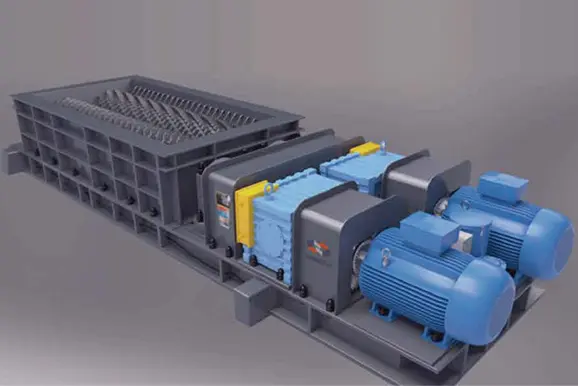
  • Roll Crushers: Utilize two rotating cylinders to crush materials, suitable for softer materials.
  • Hammer Mills: Use hammers mounted on a spinning rotor to crush materials, effective for brittle materials.

Importance of Primary and Secondary Crushers

The combination of primary and secondary crushers is crucial for efficient material processing. Here are some reasons why:

  • Efficiency: By breaking down material in stages, crushers ensure efficient processing and reduce the load on subsequent machinery.
  • Cost-Effectiveness: Reducing the size of materials at each stage minimizes transportation and handling costs.
  • Quality Control: Ensures consistent material size for further processing or end-use.

Conclusion

Understanding the roles of primary and secondary crushers is essential in the mining and construction industries. These machines work in tandem to ensure that raw materials are efficiently processed into usable forms. By selecting the appropriate type of crusher for each stage, operations can optimize productivity and cost-effectiveness.

  • Previous: What is a hydraulic cone crusher What are the advantages
  • Next: What is gradation in a crusher

Main Products

CI5X Impact Crusher

CI5X Impact Crusher

CI5X Impact Crusher often appears in the secondary crushing stage to process medium hard materials such as limestone, feldspar, calcite,...

Learn More
Roll Crusher

Roll Crusher

Roll crusher features dual screening and crushing functionalities, enabling independent completion of both operations. This simplifies the process system and...

Learn More
LM Vertical Grinding Mill

LM Vertical Grinding Mill

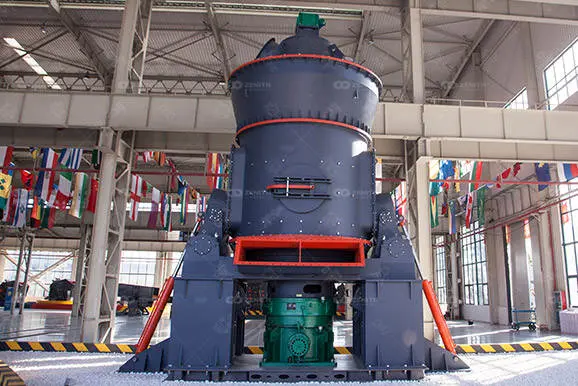
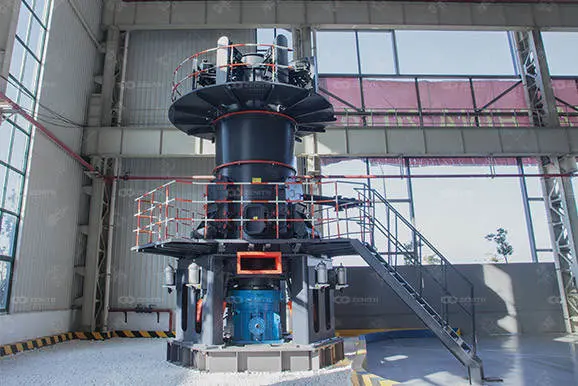
LM Vertical Grinding Mill integrates five functions of crushing, grinding, powder selection, drying and material conveying.

Learn More
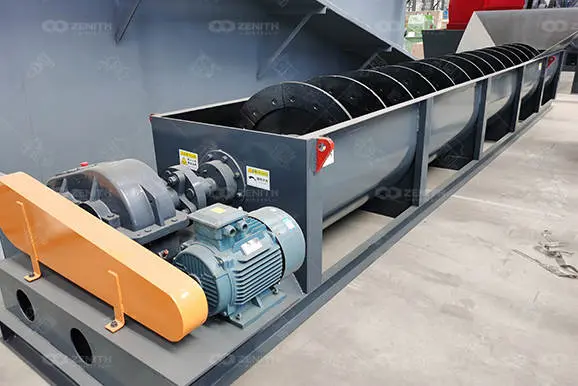
LSX Sand Washer

LSX Sand Washer

LSX Sand Washer often appears in sand processing sites, electric pole factories, building work sites and concrete dams. It has...

Learn More
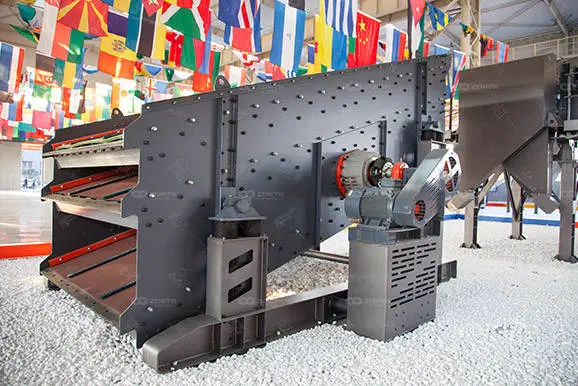
S5X Vibrating Screen

S5X Vibrating Screen

S5X Vibrating Screen is applicable to heavy-type, middle-type and fine screening operations. It is the ideal screen for primary and...

Learn More
C6X Jaw Crusher

C6X Jaw Crusher

C6X Jaw Crusher is the latest generation of primary crusher. It adopts lots of advanced technologies and it has much...

Learn More
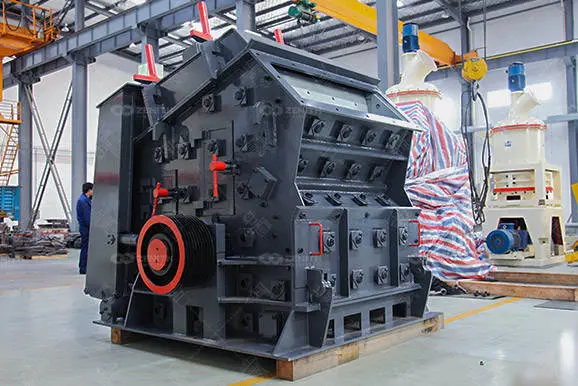
PF Impact Crusher

PF Impact Crusher

PF Impact Crusher makes use of impact energy to crush materials. It’s used as a secondary crusher in stone crushing...

Learn More
MTW Trapezium Grinding Mill

MTW Trapezium Grinding Mill

MTW Euro-type Trapezium Mill owns many independent patents, such as overall prick gear drive, internal thin oil lubrication system, arc-shaped...

Learn More
HPT Hydraulic Cone Crusher

HPT Hydraulic Cone Crusher

HPT Multi-cylinder Hydraulic Cone Crusher often appears in the secondary crushing stage. The use of hydraulic devices makes maintenance easier.

Learn More
LUM Ultrafine Vertical Mill

LUM Ultrafine Vertical Mill

LUM Ultrafine Vertical Grinding Mill sets grinding, drying, classifying and transportation as a whole and takes little space.

Learn More

Solutions

We have more than 5000 cases around the world and provide a full range of solutions.
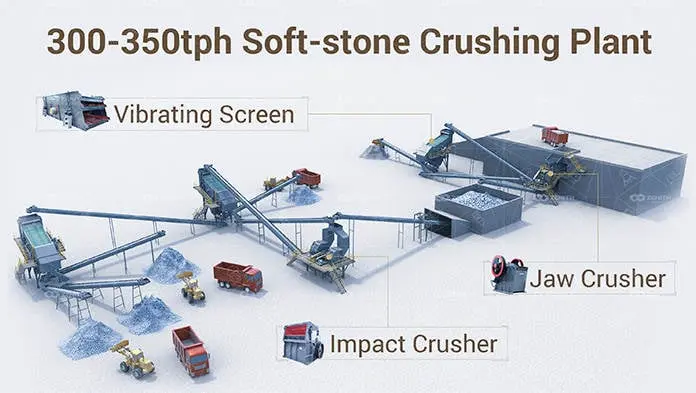
300-350t/h Soft Rock Crushing Plant

300-350t/h Soft Rock Crushing Plant

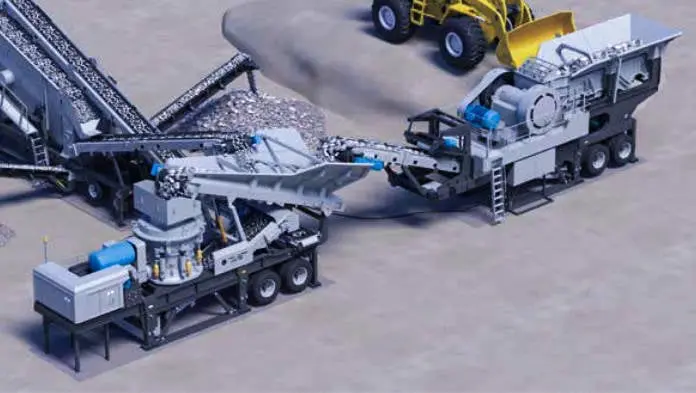
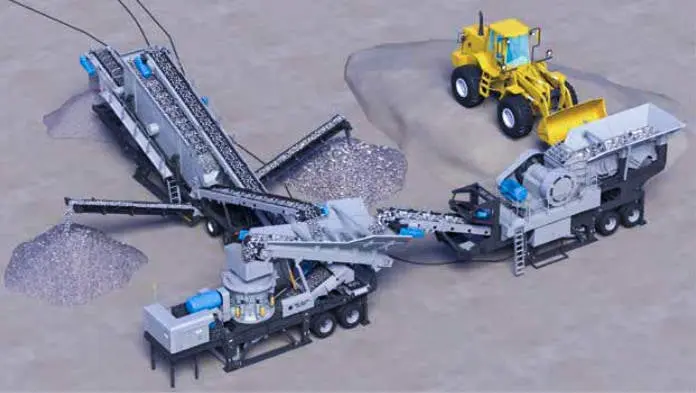
100t/h Hard Rock Portable Crushing Plant

100t/h Hard Rock Portable Crushing Plant

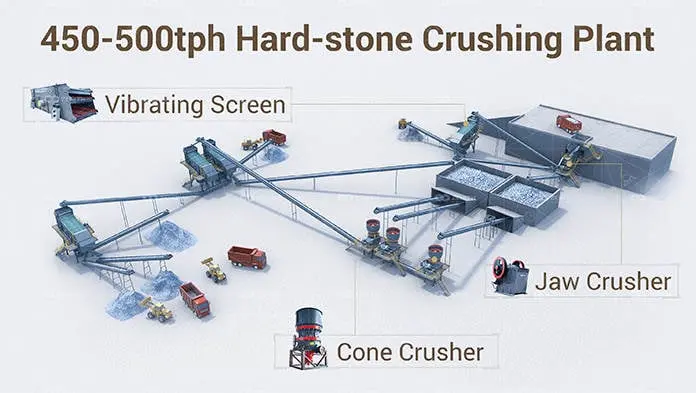
450-500t/h Hard Rock Crushing Plant

450-500t/h Hard Rock Crushing Plant

200t/h Hard Rock Portable Crushing Plant

200t/h Hard Rock Portable Crushing Plant

GOLD ORE CRUSHING PLANTS DESIGN

GOLD ORE CRUSHING PLANTS DESIGN

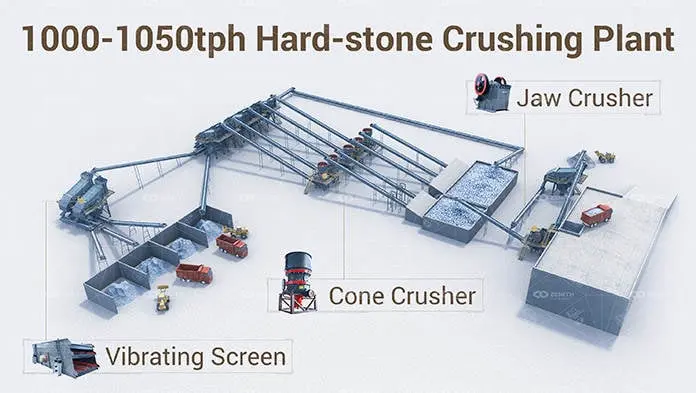
1000-1050t/h Hard Rock Crushing Plant

1000-1050t/h Hard Rock Crushing Plant

LEAD-ZINC ORE CRUSHING PLANTS DESIGN

LEAD-ZINC ORE CRUSHING PLANTS DESIGN

GYPSUM GRINDING PLANTS DESIGN

GYPSUM GRINDING PLANTS DESIGN

SHANGHAI ZENITH MINERAL CO.,LTD.

Certification

  • CE
  • SGS
  • ISO
  • GOST

Contact information

  • Whatsapp: +8613661969651
  • Email: info@chinagrindingmill.net
  • Website: www.chinagrindingmill.net
  • Address: No. 1688, East Gaoke Road, Shanghai, China

Our Solutions

50-100t/h Soft Rock Crushing Plant
50-100t/h Hard Rock Crushing Plant
100-150t/h Soft Rock Crushing Plant
100-150t/h Hard Rock Crushing Plant
150-200t/h Soft Rock Crushing Plant
150-180t/h Hard Rock Crushing Plant

Cases

Ghana 100-120TPH Granite Portable Crushing Plant
Dubai 550t/h Limestone Crushing Plant
Philippines 80TPH River Pebble Crushing Plant
Turkey Copper Ore Crushing Plant

Resources

Librarys
FAQs
Downloads

About Us

Copyright © 2025 SHANGHAI ZENITH MINERAL CO.,LTD. All Rights Reserved.