खाणकामात aggregates म्हणजे काय?
वेळ:१५ सप्टेंबर २०२५
सामग्री ह्या बांधकाम उद्योगात आणि विविध इतर क्षेत्रांमध्ये वापरल्या जाणाऱ्या आवश्यक वस्तु आहेत. खाणकामामध्ये, सामग्री म्हणजे बांधकामात वापरली जाणारी रुंद श्रेणीची जड ते मध्यम-धान्य कण सामग्री, ज्यामध्ये वाळू, खडी, चिरलेला दगड, स्लॅग, आणि पुनःचक्रित कांक्रीट यांचा समावेश आहे. हा लेख खाणकामामध्ये सामग्रीचा संपूर्ण आढावा, त्याचे प्रकार, उत्पादन प्रक्रिया आणि अनुप्रयोग याबद्दल माहिती प्रदान करतो.
एकत्रणाचे प्रकार
एकत्रित वस्तू विविध प्रकारांमध्ये वर्गीकृत केल्या जाऊ शकतात त्यांचे स्रोत आणि आकारानुसार:
नैसर्गिक एकत्रीकरण
नैसर्गिक एकत्रण थेट नैसर्गिक स्रोतांमधून काढले जातात आणि यामध्ये समाविष्ट आहे:
- रेत: मुख्यतः सिलीका युक्त लहान कण.
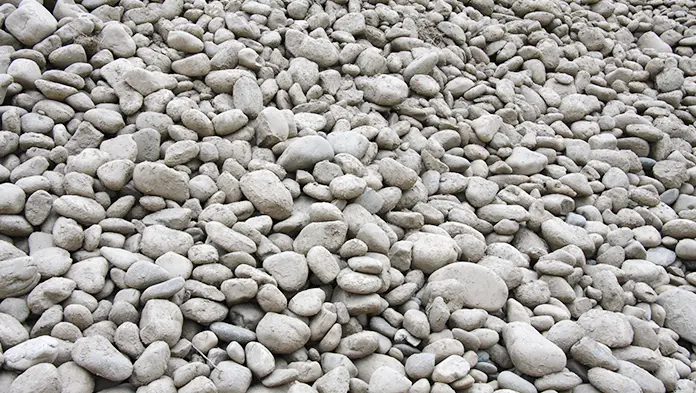
- गाळ: नदीखोऱ्यांमध्ये सामान्यतः आढळणारे गोलसर खडकाचे तुकडे.
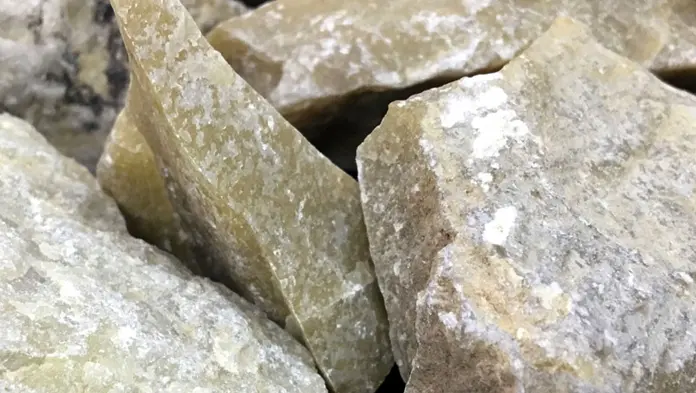
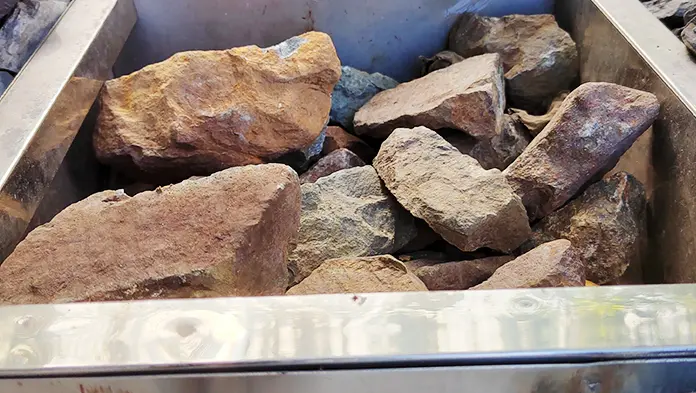
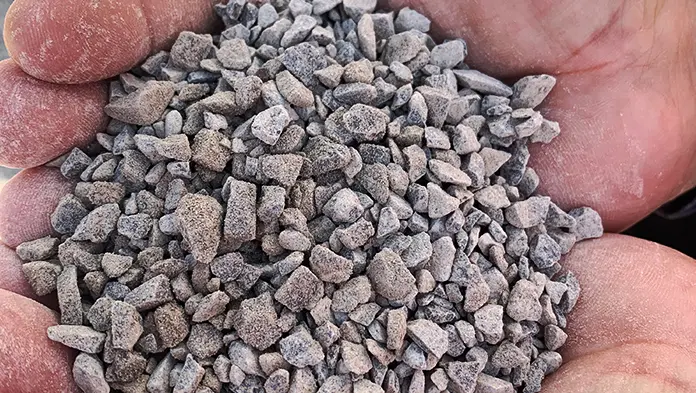
- कुटलेले दगड: मोठ्या दगडांना लहान तुकडे बनवून तयार केले जाते.
उत्पादित सामुग्री
उत्पादितaggregate उद्योग प्रक्रियांच्या माध्यमातून तयार केले जातात:
- स्लॅग: स्टील उत्पादनाचा एक उपउत्पादन, जो हलक्या कणांमध्ये वापरला जातो.
- पुनः वापरलेले काँक्रीट: नष्ट केलेल्या काँक्रीट रचनांतून मिळवलेले, चिरून पुन्हा वापरलेले.
सूक्ष्म आणि ठोस संचिते
आगगेट्स त्याच्या आकारानुसार आणखी वर्गीकृत केले जातात:
- मध्यम कण: 4.75 मिमी पेक्षा लहान कण, सामान्यतः वाळू.
- कच्चा समुच्चय: 4.75 मिमी पेक्षा मोठे कण, ज्यामध्ये गाळ आणि कमी केलेला दगड समाविष्ट आहे.
उत्पादन प्रक्रिया
संपूर्ण मिश्रणाचा उत्पादन करण्यामध्ये अनेक मुख्य प्रक्रिया समाविष्ट आहेत:
निकासी
- खाणकाम: नैसर्गिक ठिकाणांमधून जसे की खाण, खड्डे आणि नदीच्या आढ्यांमधून यांत्रिक गुठळी वसूल केल्या जातात.
- ड्रिलिंग आणि स्फोटक: चट्टानांचे संरचना तुकडे करण्यासाठी वापरले जाणारे तंत्र.
गर्दी आणि निवडक प्रक्रिया
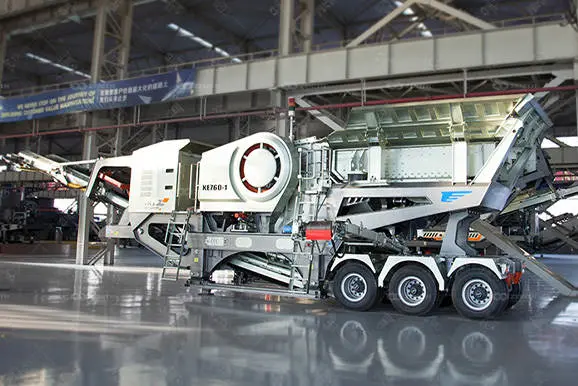
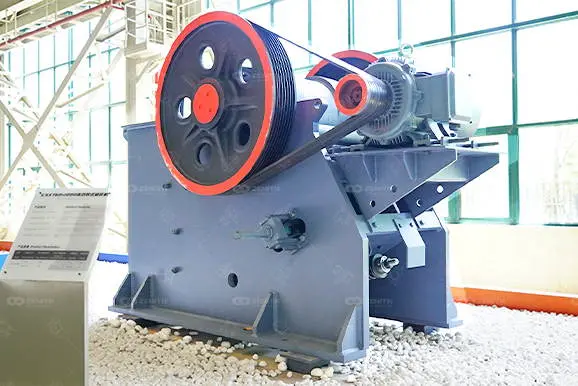
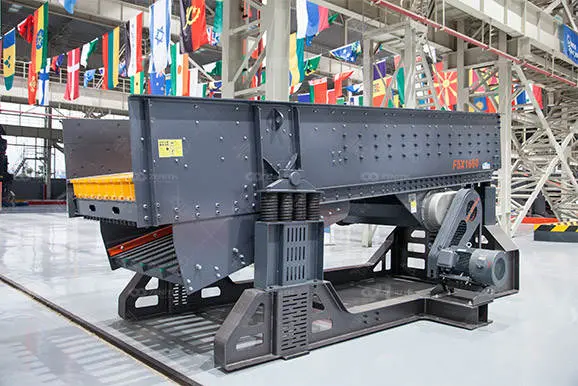
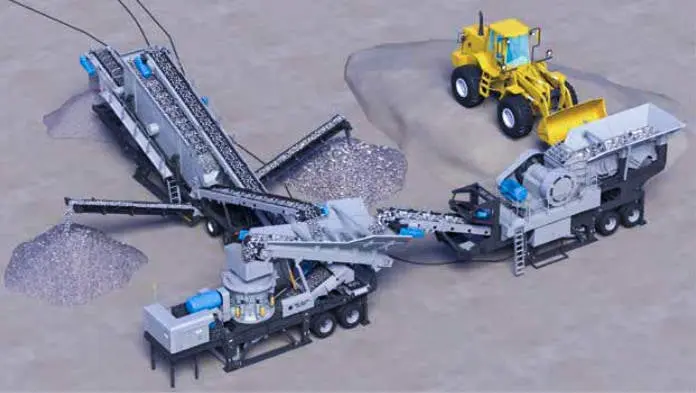
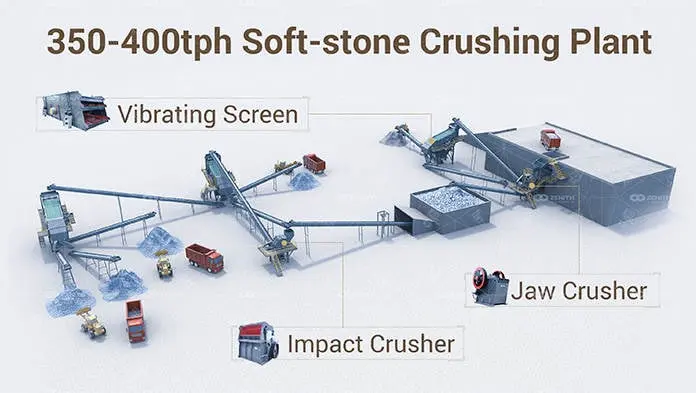
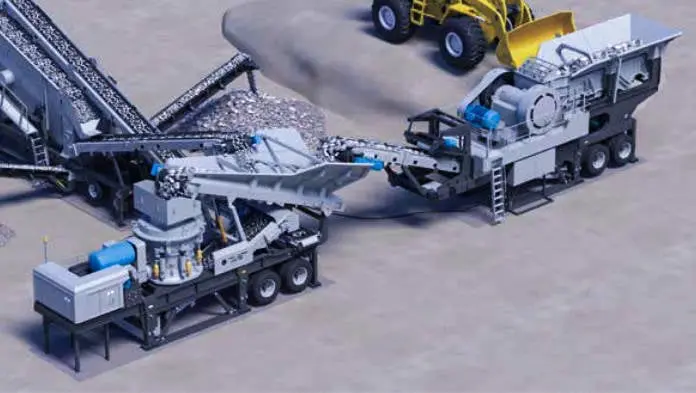
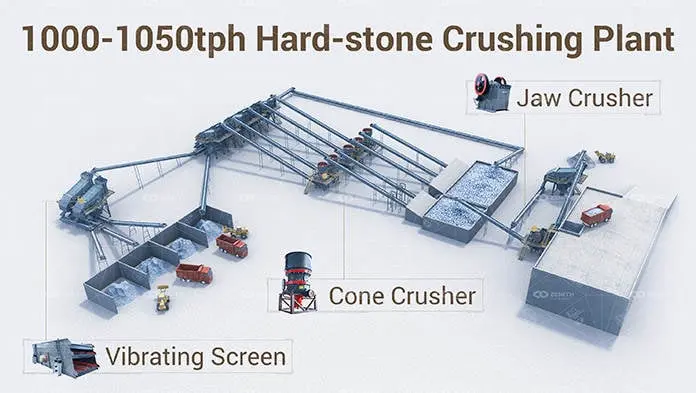
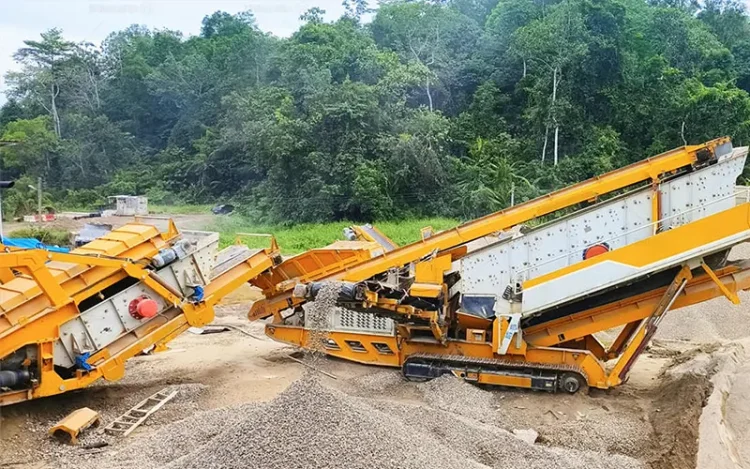
- प्राथमिक क्रशिंग: मोठया दगडांना जॉ क्रशर्सचा उपयोग करून लहान तुकड्यांमध्ये कुटले जाते.
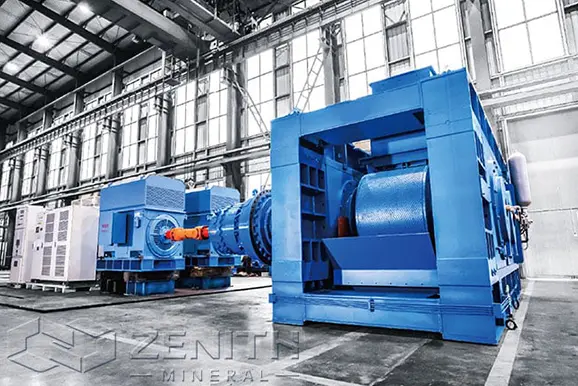
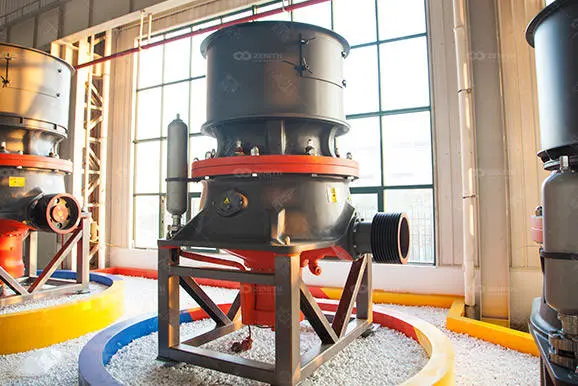
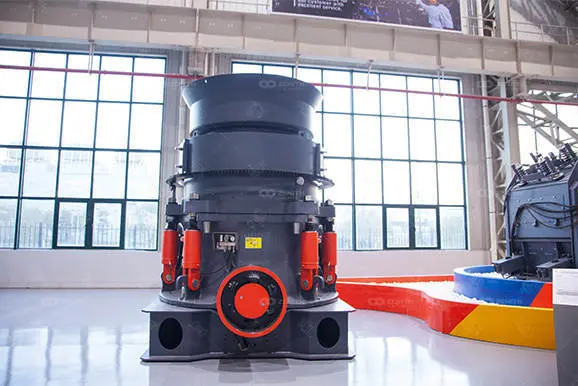
- द्वितीयक संकुचन: शंक्वाकार क्रशर किंवा इम्पॅक्ट क्रशरसह आणखी कमी करणे.
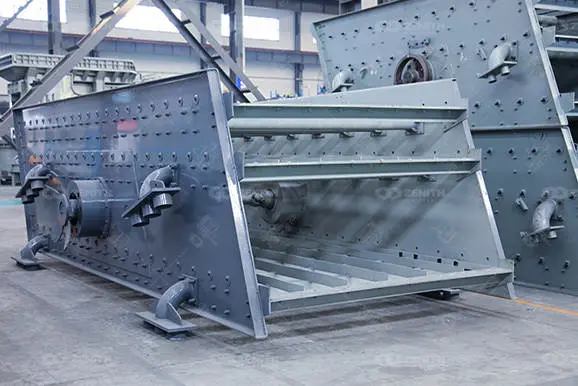
- स्क्रीनिंग: फिरत्या स्क्रीन वापरून आकारानुसार एकत्रित केलेल्या वस्तूंची वेगळी करणे.
धुलाई आणि प्रक्रिया
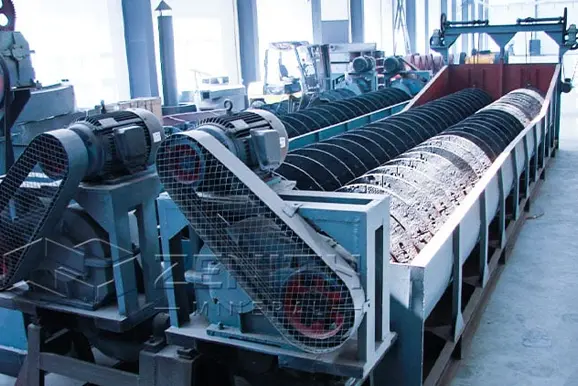
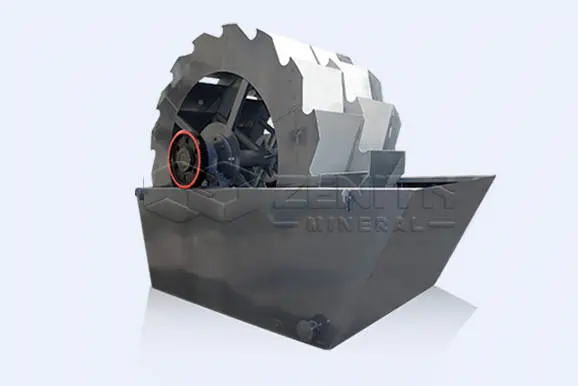
- धुणे: माती आणि साळीसारख्या अशुद्धींचा नाश.
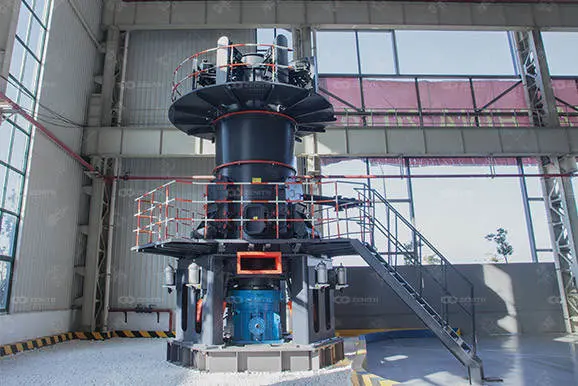
- प्रक्रिया: विशिष्ट गुणवत्ता मानकांसाठी अतिरिक्त सुधारणा.
आग्ग्रिगेट्सच्या अनुप्रयोगांचा वापर
संपूर्ण उद्योग आणि अनुप्रयोगांमध्ये aggregates एक महत्त्वपूर्ण भूमिका बजावतात.
बांधकाम
- कॉन्क्रीट उत्पादन: अॅग्रीगेट्स कॉन्क्रीटचे प्राथमिक घटक आहेत, जे ताकद आणि स्थिरता प्रदान करतात.
- रस्त्यांची बांधणी: रस्त्यांच्या खाली बेस मटेरियल म्हणून आणि डांबराच्या एकत्रिकरणांमध्ये वापरले जाते.
भूप्रदेश सजवणे
- सजावटीचे दगड: बागेत आणि बाह्य जागांमध्ये सौंदर्यात्मक उद्दिष्टांसाठी वापरलेले.
- निचाऱ्याचे प्रणाली: खडी आणि चुरा केलेले दगड पाण्याच्या निचाऱ्यास सजग करतात.
औद्योगिक वापर
- रेल्वे बलास्ट: रेल्वे ट्रॅकसाठी स्थिरता प्रदान करते.
- फिल्टर मिडिया: पाण्याच्या निस्क्रिय प्रणालींमध्ये वापरले जाते.
खननात एकत्रित वस्तूंचे महत्त्व
एकत्रित पदार्थांचा आधारभूत विकासात महत्वाचा सहभाग आहे आणि त्याचे अनेक फायदे आहेत:
- आर्थिक परिणाम: बांधकाम आणि औद्योगिक अनुप्रयोगांद्वारे अर्थव्यवस्थेला महत्त्वपूर्ण योगदान देणे.
- पर्यावरणीय विचार: स्थायी पद्धतींमुळे मृदा खाणीतील पर्यावरणीय परिणाम कमी केला जाऊ शकतो.
- गुणवत्ता आणि मानक: उद्योग मानकांचे पालन केल्याने संरचनांची टिकाऊपणा आणि सुरक्षा सुनिश्चित होते.
संपूर्ण खननातील आव्हाने
त्यांच्या महत्त्वामुळे, एकत्रित खाणकामाला अनेक आव्हानांचा सामना करावा लागतो:
- पर्यावरणीय चिंता: निवासस्थानाचे व्यत्यय आणि संसाधनांचे कमी होणे.
- नियामक अनुरूपता: खाण कार्यांशी संबंधित नियमांचे पालन करणे.
- बाजाराची मागणी: मागणीतल्या चढउतारांमुळे उत्पादन आणि किंमतींवर परिणाम होऊ शकतो.
निष्कर्ष
एकत्रित पदार्थ खाण उद्योगात अपरिहार्य आहेत, जे बांधकाम आणि विविध इतर अनुप्रयोगांसाठी मूलभूत सामग्री म्हणून कार्य करतात. त्यांचे प्रकार, उत्पादन प्रक्रिया आणि अनुप्रयोग समजून घेणे हे त्यांच्या वापराचे ऑप्टिमायझेशन आणि संबंधित आव्हानांचा सामना करण्यास महत्त्वाचे आहे. शाश्वत पद्धतींमार्फत आणि गुणवत्ता मानकांचे पालन करून, खाण उद्योग आवश्यक एकत्रित पदार्थांच्या पुरवठ्यास चालू ठेवू शकतो, तसेच पर्यावरणीय परिणाम कमी करू शकतो.