info@chinagrindingmill.net
+8613661969651
english En
English (Note: The word "English" is translated as "इंग्रजी" in Marathi. If you need more content translated or any specific text, please provide that text.) 中文版 हिंदी स्पॅनिश फ्रेंच अरबी बंगाली रशियन पोर्तुगीज इंडोनेशियन उर्दू जर्मन जपानी स्वाहिली Turkish Italian Korean Vietnamese Tamil Punjabi Persian (Farsi) Thai Dutch Polish Ukrainian Romanian Greek Hebrew Swedish Czech Hungarian Danish Finnish Norwegian Malay Tagalog (Filipino) Gujarati Kannada Burmese Amharic Hausa Somali Yoruba Zulu Afrikaans Nepali Sinhala Khmer Lao Mongolian Javanese Telugu Marathi Malayalam Uyghur
SHANGHAI ZENITH MINERAL CO.,LTD. SHANGHAI ZENITH MINERAL CO.,LTD.
  • Home
  • About
  • Products
    Mobile CrusherStone CrusherGrinding MillsModular CrushersMining Equipment
  • Cases
  • Solutions
  • Library
  • Contact
  • Quote Now
  • Home
  • Downloads
  • What size aggregate is used in concrete

What size aggregate is used in concrete

Time:12 September 2025

Concrete is a versatile and widely used construction material, and the size of the aggregate used in concrete can significantly affect its properties and performance. This article explores the different aggregate sizes used in concrete, their importance, and how they influence the final product.

Importance of Aggregate Size in Concrete

Aggregates are a crucial component of concrete, making up about 60-75% of its volume. The size of the aggregate affects various concrete properties, including:

  • Workability: Smaller aggregates generally improve workability.
  • Strength: Larger aggregates can improve the compressive strength of concrete.
  • Durability: Properly sized aggregates contribute to the durability of concrete.
  • Economy: Using the right size of aggregate can reduce the cost of concrete production.

Common Aggregate Sizes

Aggregates are categorized into two main types based on their size:

Fine Aggregates

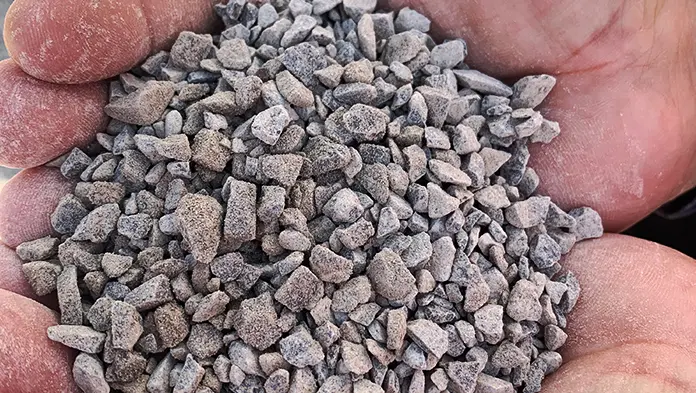
Fine aggregates are particles that pass through a 4.75 mm sieve. They fill the voids between coarse aggregates and contribute to the overall workability of concrete. Common examples include:

  • Sand: Natural sand or crushed stone with particles smaller than 4.75 mm.
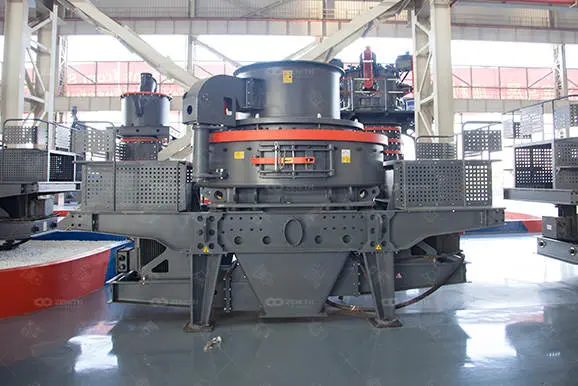
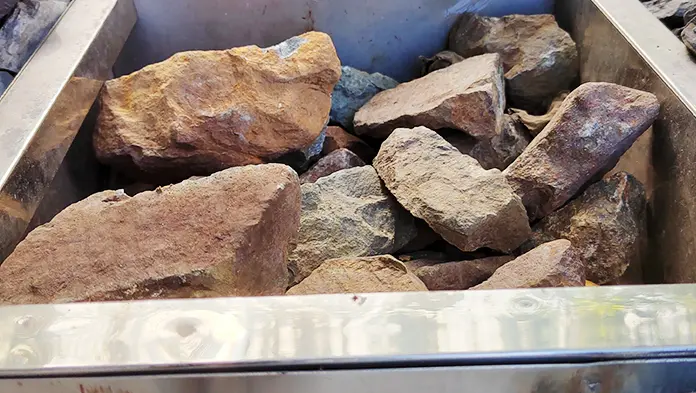
  • Manufactured Sand: Produced by crushing rock, gravel, or slag.

Coarse Aggregates

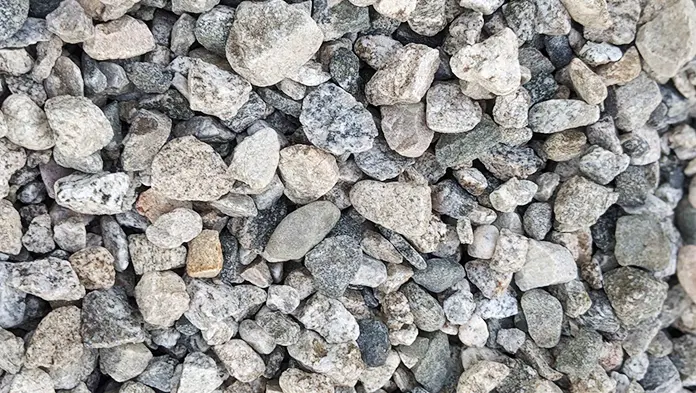
Coarse aggregates are particles that are retained on a 4.75 mm sieve. They provide the bulk of the concrete mix and influence its strength and durability. Common sizes include:

  • 10 mm (3/8 inch)
  • 20 mm (3/4 inch)
  • 40 mm (1.5 inches)

Selecting the Right Aggregate Size

Choosing the appropriate aggregate size depends on several factors, such as the type of construction, the desired properties of the concrete, and the specific application. Here are some guidelines:

1. Residential and Commercial Buildings

  • 10 mm to 20 mm aggregates are typically used for residential and commercial buildings. They provide a good balance between strength and workability.

2. Roads and Pavements

  • 20 mm to 40 mm aggregates are often used for road construction and pavements. Larger aggregates help withstand heavy loads and traffic.

3. Structural Concrete

  • 20 mm aggregates are commonly used for structural concrete applications, providing adequate strength and durability.

Factors Influencing Aggregate Size Selection

Several factors influence the selection of aggregate size for concrete:

  • Concrete Mix Design: The mix design will dictate the proportion and size of aggregates needed to achieve the desired properties.
  • Reinforcement Spacing: The size of aggregates should be compatible with the spacing of reinforcement bars to ensure proper compaction and coverage.
  • Formwork Dimensions: The aggregate size should be suitable for the dimensions of the formwork to prevent segregation and ensure uniformity.

Conclusion

The size of the aggregate used in concrete plays a vital role in determining its properties and performance. By understanding the different sizes and their applications, engineers and builders can select the appropriate aggregate size to meet the specific requirements of their projects. Proper selection and use of aggregates contribute to the strength, durability, and economy of concrete structures.

  • Previous: What mechanical equipment is used to mine copper
  • Next: What are the cement mill pre-crushing equipment

Main Products

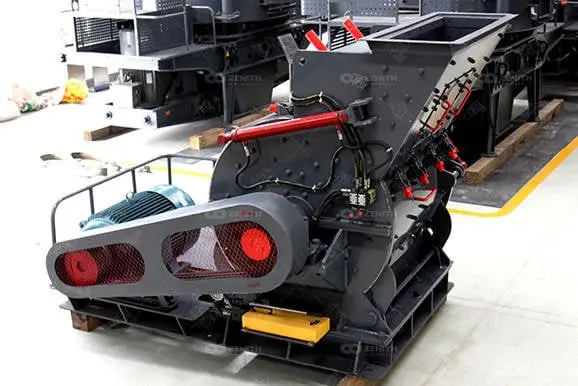
Hammer Mill

Hammer Mill

Hammer Mill is mainly used for coarse powder production and sand production. The end products can be controlled within 0-3mm...

Learn More
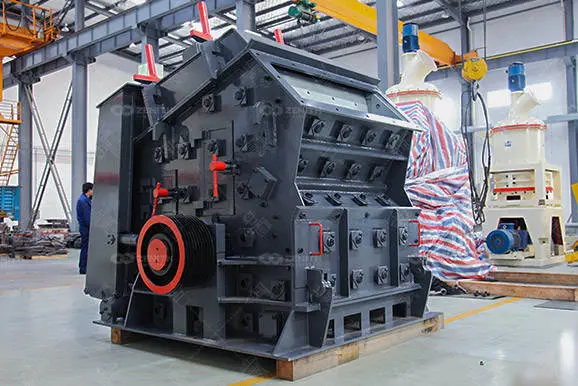
PF Impact Crusher

PF Impact Crusher

PF Impact Crusher makes use of impact energy to crush materials. It’s used as a secondary crusher in stone crushing...

Learn More
HGT Gyratory Crusher

HGT Gyratory Crusher

HGT Gyratory Crusher was developed to cater for market demands for large crushing equipment. It’s absolutely an ideal choice for...

Learn More
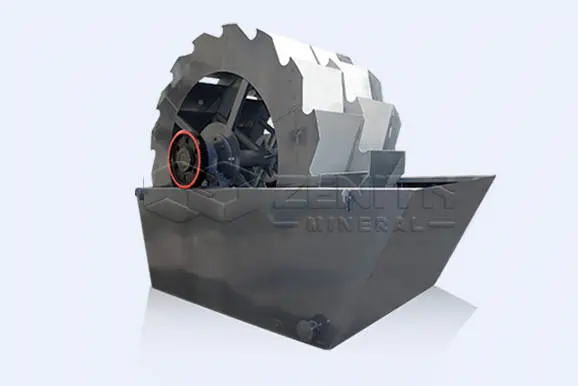
XSD Sand Washer

XSD Sand Washer

XSD Sand Washer is widely used for cleaning materials in the following industries: quarry, minerals, building materials, cement mixture station...

Learn More
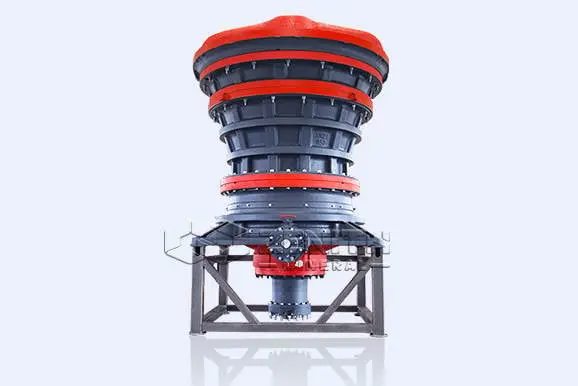
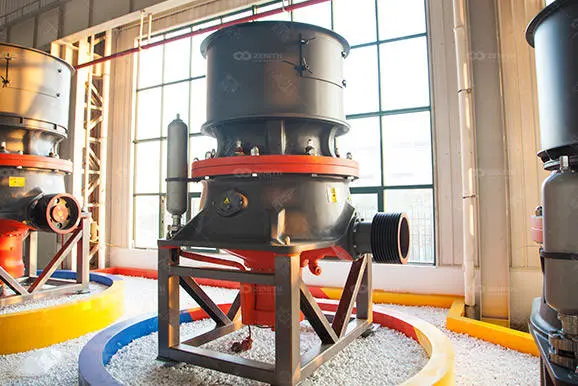
HST Hydraulic Cone Crusher

HST Hydraulic Cone Crusher

HST Single-cylinder Hydraulic Cone Crusher is one kind of professional hard rock crushers, which is often used as a secondary...

Learn More
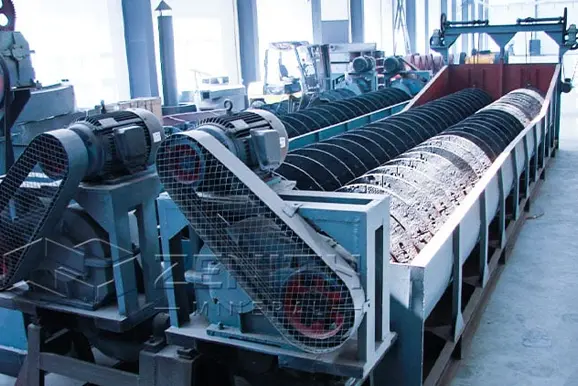
Spiral Classifier

Spiral Classifier

The spiral classifier can be classified into two types based on the number of screw shafts: single screw and double...

Learn More
MRN Pendulum Roller Grinding Mill

MRN Pendulum Roller Grinding Mill

MRN Pendulum Roller Grinding Mill represents the advanced grinding processing technology at present.

Learn More
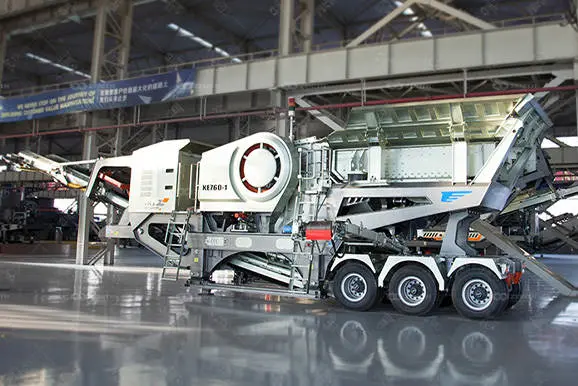
K3 Series Portable Crushing Plant

K3 Series Portable Crushing Plant

K Series Portable Crusher Plant, also known as K Series Portable Crusher, is a new type of equipment developed on...

Learn More
B Series VSI Impact Crusher

B Series VSI Impact Crusher

B Series VSI Impact Crusher is, commonly known as sand making machine, the basis for the development of B Deep-rotor...

Learn More
B Vertical Shaft Impact Crusher

B Vertical Shaft Impact Crusher

B Deep-rotor Vertical-shaft Impact Crusher combines three crushing modes into one and has become excellent equipment in manufactured sand production...

Learn More

Solutions

We have more than 5000 cases around the world and provide a full range of solutions.
LIMESTONE CRUSHING PLANTS DESIGN

LIMESTONE CRUSHING PLANTS DESIGN

GRAVEL CRUSHING PLANTS DESIGN

GRAVEL CRUSHING PLANTS DESIGN

COPPER ORE CRUSHING PLANTS DESIGN

COPPER ORE CRUSHING PLANTS DESIGN

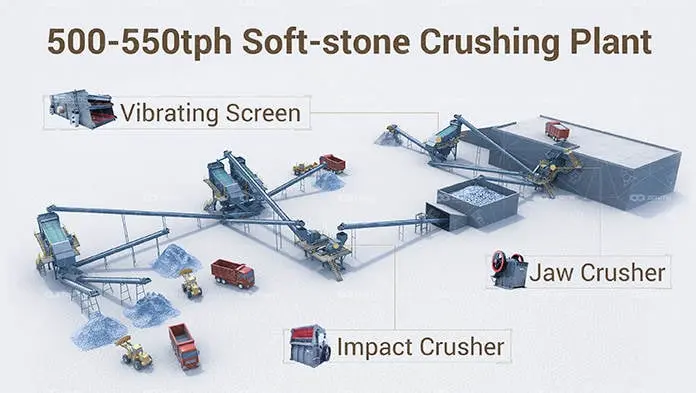
500-550t/h Soft Rock Crushing Plant

500-550t/h Soft Rock Crushing Plant

COAL GRINDING PLANTS DESIGN

COAL GRINDING PLANTS DESIGN

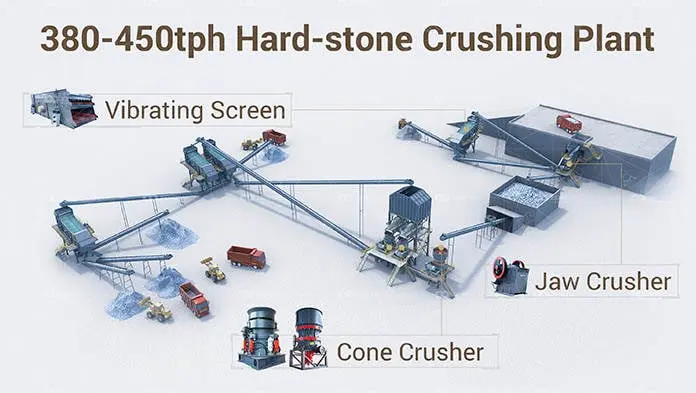
380-450t/h Hard Rock Crushing Plant

380-450t/h Hard Rock Crushing Plant

GABBRO CRUSHING PLANTS DESIGN

GABBRO CRUSHING PLANTS DESIGN

CALCITE GRINDING PLANTS DESIGN

CALCITE GRINDING PLANTS DESIGN

SHANGHAI ZENITH MINERAL CO.,LTD.

Certification

  • CE
  • SGS
  • ISO
  • GOST

Contact information

  • Whatsapp: +8613661969651
  • Email: info@chinagrindingmill.net
  • Website: www.chinagrindingmill.net
  • Address: No. 1688, East Gaoke Road, Shanghai, China

Our Solutions

50-100t/h Soft Rock Crushing Plant
50-100t/h Hard Rock Crushing Plant
100-150t/h Soft Rock Crushing Plant
100-150t/h Hard Rock Crushing Plant
150-200t/h Soft Rock Crushing Plant
150-180t/h Hard Rock Crushing Plant

Cases

Ghana 100-120TPH Granite Portable Crushing Plant
Dubai 550t/h Limestone Crushing Plant
Philippines 80TPH River Pebble Crushing Plant
Turkey Copper Ore Crushing Plant

Resources

Librarys
FAQs
Downloads

About Us

Copyright © 2025 SHANGHAI ZENITH MINERAL CO.,LTD. All Rights Reserved.