De druksterkte van steen kan aanzienlijk variëren, afhankelijk van het type, de herkomst en de fysieke eigenschappen. Hier is hoe gebroken rivierstene en bergsteen zich verhouden op het gebied van druksterkte voor de bouw:
Samenstelling en AardVerpulverde rivierstenen ontstaan meestal uit stenen die in de loop van de tijd natuurlijk zijn geërodeerd en gladgemaakt door de werking van water. Het bestaat vaak uit sedimentaire gesteenten, zoals kalksteen of zandsteen, of uit metamorf gesteente zoals kwartsiet.
SterkteRivierstenen hebben over het algemeen een iets lagere druksterkte in vergelijking met bergstenen, omdat ze doorgaans minder dicht zijn en meer afgeronde deeltjes kunnen bevatten. De afgeronde vorm van rivierstenen kan de vergrendeling en hechtingssterkte verminderen wanneer ze in beton worden gebruikt, hoewel het vergrijpen de hoeken kan verbeteren en bepaalde mechanische eigenschappen kan versterken voor gebruik in de constructie.
ToepassingenGebroken riviersteen wordt vaak gebruikt voor niet-dragende doeleinden of decoratieve toepassingen, zoals aanleg van tuinen of als aggregaat voor beton, waarbij het breken de oppervlakte-ruwheid vergroot voor een betere hechting.
Samenstelling en AardBergstenen worden typisch gevormd onder intense geologische omstandigheden, wat resulteert in een hogere dichtheid en duurzaamheid. Ze kunnen igneuze gesteenten zoals graniet of basalt bevatten, die bekend staan om hun hoge druksterkte, of metamorfe gesteenten zoals kwartsiet en marmer.
SterkteBergsteen heeft over het algemeen een hogere druksterkte vanwege de dichtere en hardere samenstelling. Bijvoorbeeld, graniet en basalt kunnen druksterktes hebben van 80 tot 200 MPa, wat vaak hoger is dan rivierstenen zoals zandsteen of kalksteen.
ToepassingenVanwege zijn superieure sterkte wordt bergsteen vaak gebruikt in de techniek en bouwtoepassingen waar de draagkracht cruciaal is, zoals funderingen, keerwanden en structureel beton.
Mineralogische SamenstellingDe minerale samenstelling (bijv. kwarts, veldspaat) beïnvloedt de druksterkte aanzienlijk. Dichte, harde mineralen zijn doorgaans sterker.
PorositeitLagere porositeit resulteert in een hogere druksterkte. Bergstenen vertonen meestal een lagere porositeit in vergelijking met rivierstenen.
VerwerkenVerkruimeling en gradatie verbeteren de hoeken en de hechting, ongeacht het type steen.
Het selecteren van het juiste type steen hangt uiteindelijk af van de specifieke vereisten van het bouwproject, kostenoverwegingen en de beschikbaarheid van materialen.
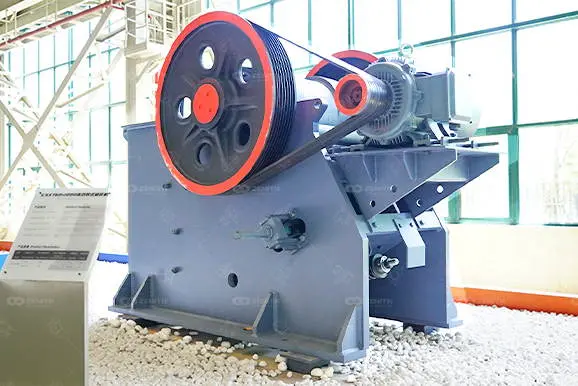
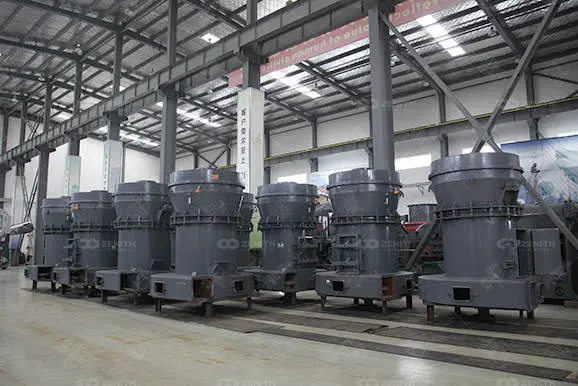
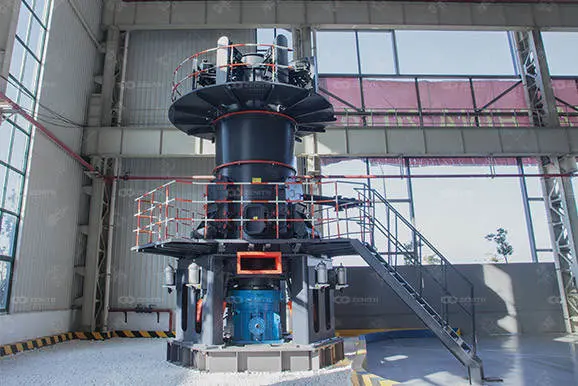
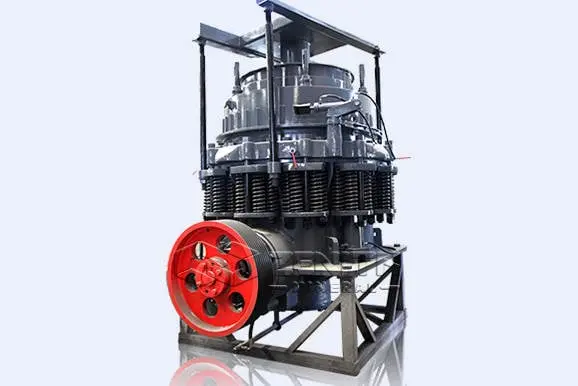
Shanghai Zenith Mineral Co., Ltd. is een toonaangevende fabrikant van breek- en maalapparatuur in China. Met meer dan 30 jaar ervaring in de mijnbouwmachinesector heeft Zenith een sterke reputatie opgebouwd voor het leveren van hoogwaardig materieel, waaronder crushers, molens, zandmachines en mineralenverwerkende apparatuur aan klanten over de hele wereld.
Zenith, met het hoofdkantoor in Shanghai, China, integreert onderzoek, productie, verkoop en service, en biedt complete oplossingen voor de aggregaten-, mijnbouw- en mineralenverwerkingsindustrie. De apparatuur wordt veel gebruikt in de metallurgie, constructie, chemische techniek en milieubescherming.
Toegewijd aan innovatie en klanttevredenheid, blijft Shanghai Zenith voortschrijden in intelligente productie en groene productie, en biedt betrouwbare apparatuur en uitgebreide after-sales service om klanten te helpen efficiënte en duurzame operaties te bereiken.
E-mail:info@chinagrindingmill.net
Whatsapp:+8613661969651