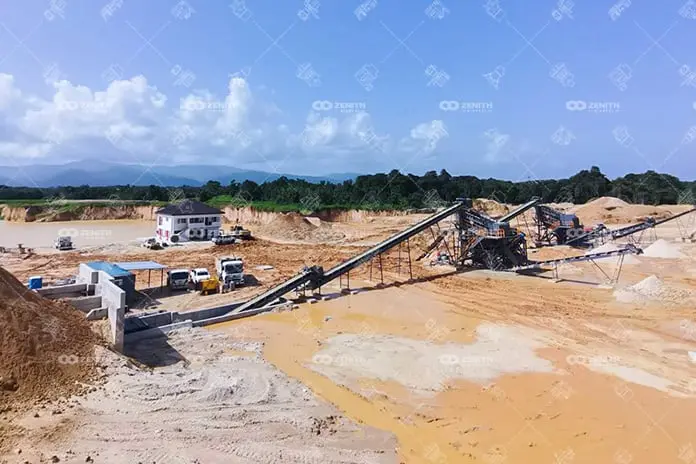
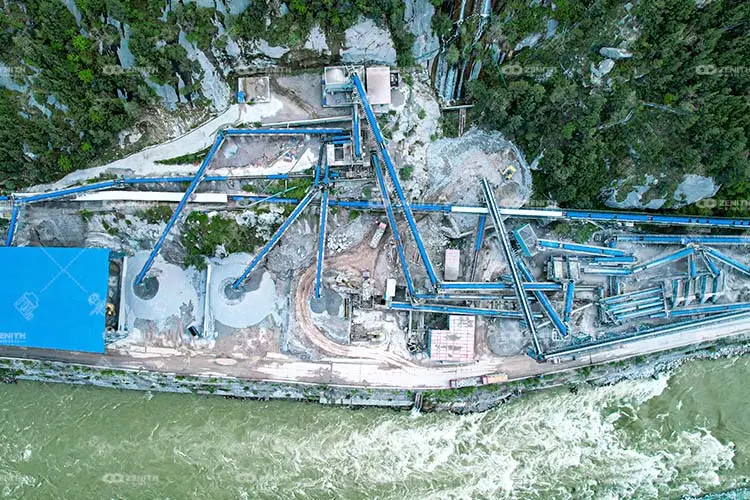
Welke kapitaalinvesterings- en vergunningseisen gelden voor de succesvolle lancering van een winstgevend steenbrekerbedrijf?
Tijd:2 maart 2021

Het starten van een winstgevende steenbreekbedrijf vereist zorgvuldige planning op het gebied van kapitaalinvesteringen, naleving van regelgeving en operationele overwegingen. Hieronder staan de belangrijkste aspecten die moeten worden aangepakt:
I. Kapitaalinvesteringseisen
Het starten van een rock-crushingbedrijf vereist het verwerven van waardevolle activa en het financieren van de operaties. Belangrijke investeringen zijn onder andere:
-
Apparaataankopen (of Leasing):
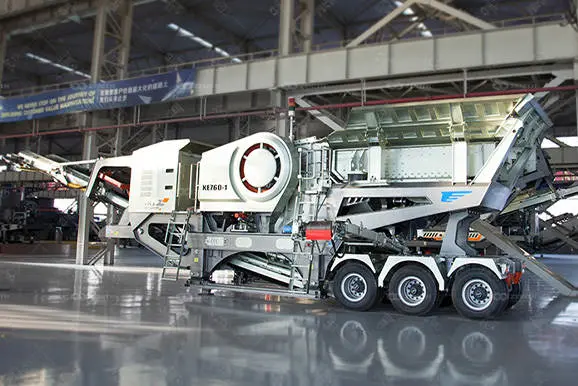
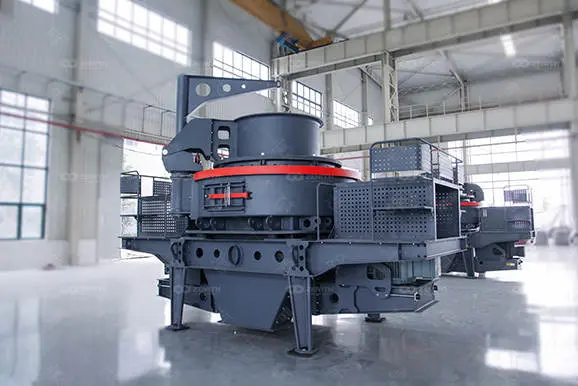
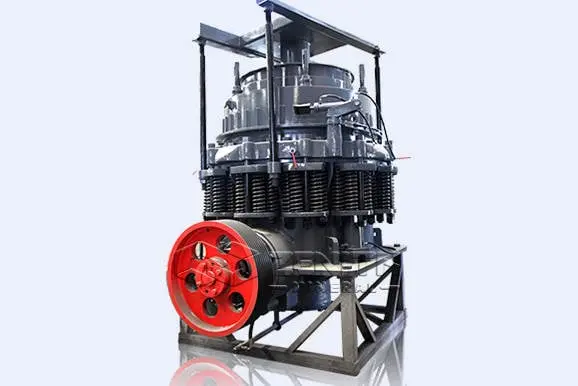
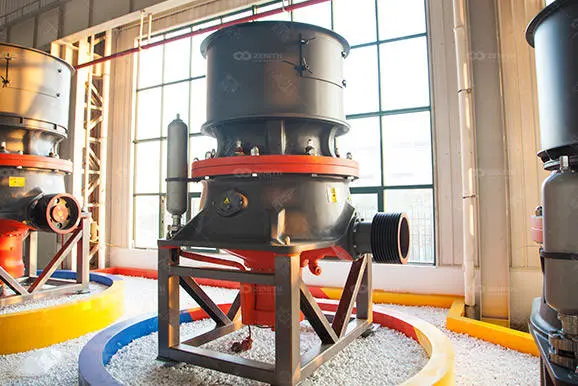
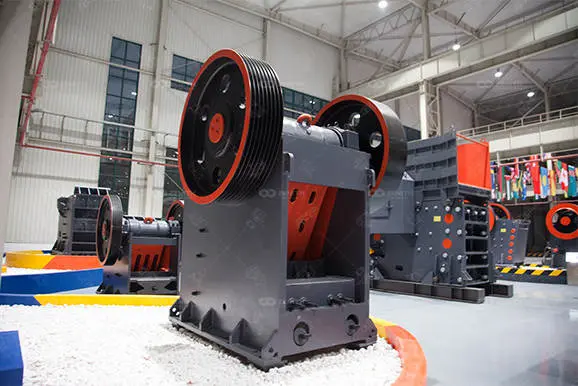
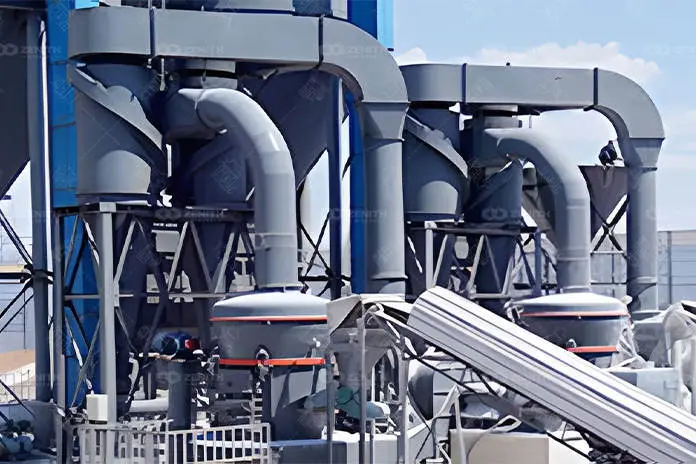
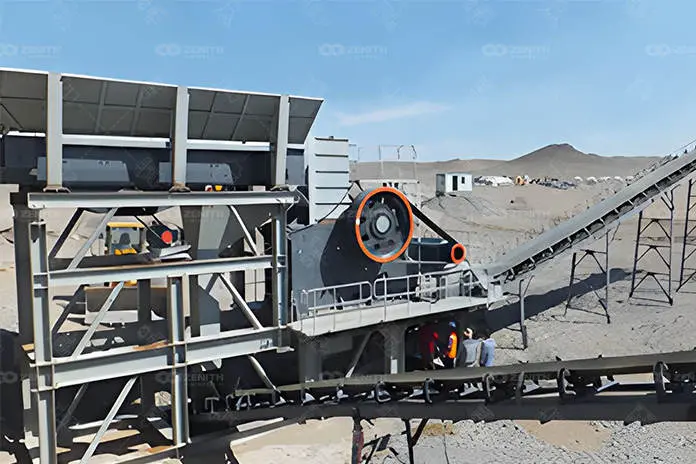
- Primaire Krusherapparatuur:Kegelbrekers of jaw crushers.
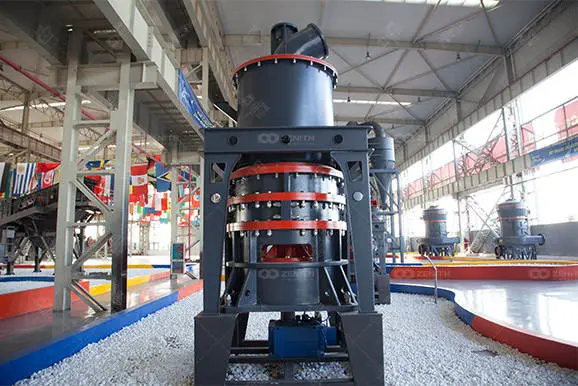
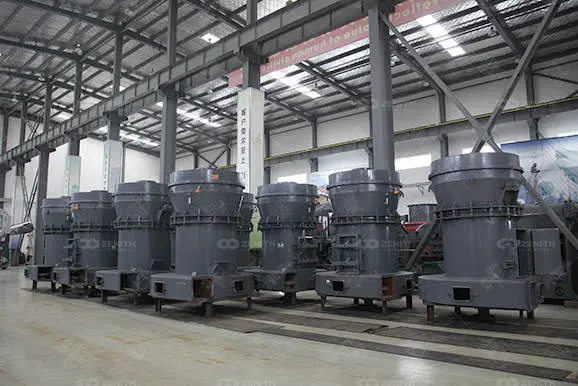
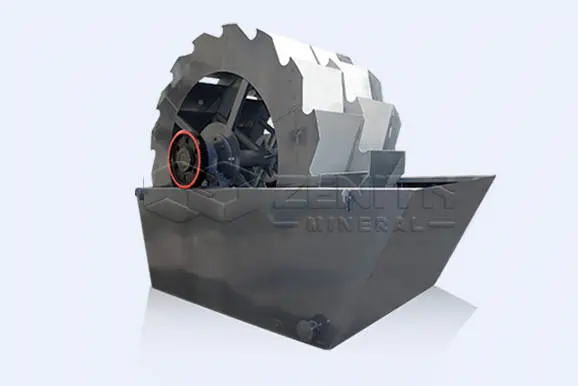
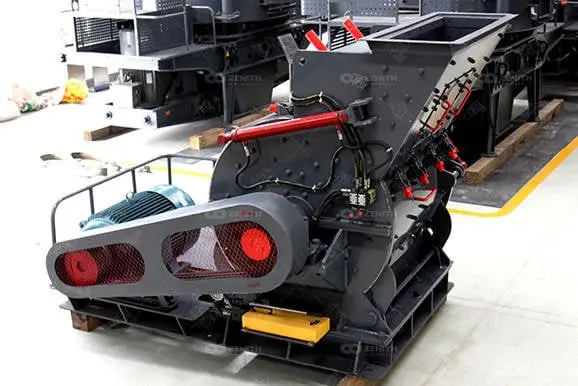
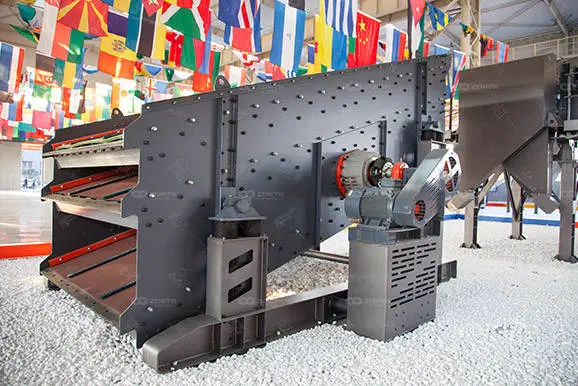
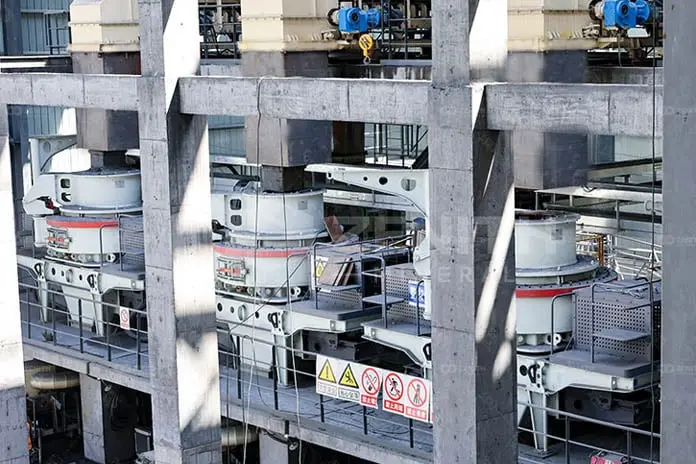
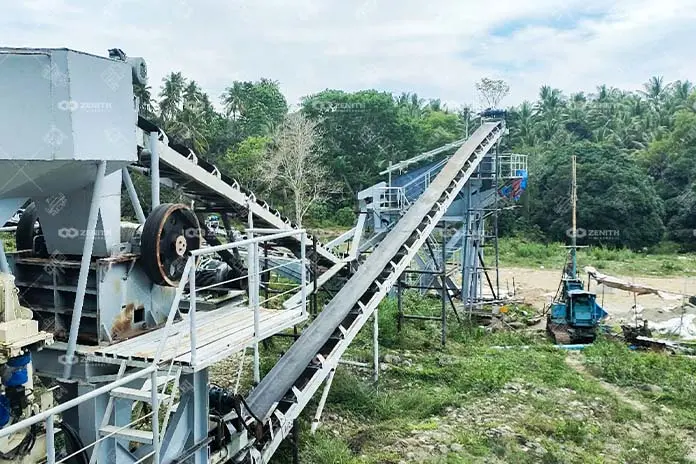
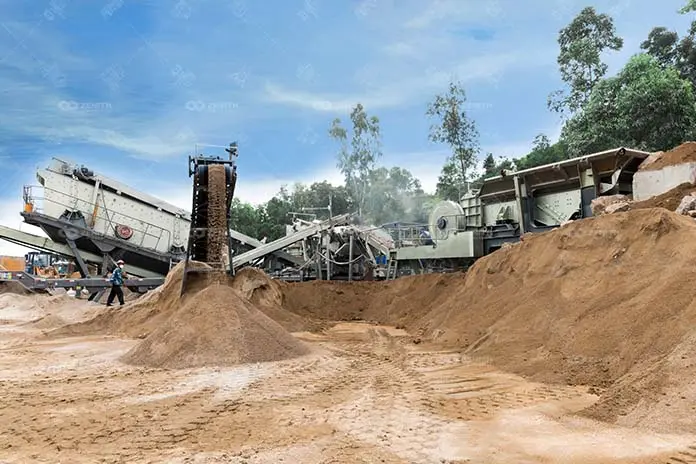
- Secundaire of Tertiaire Apparatuur:Impact crushers, zeefmachines, voeders, transportbanden.
- Hulpmiddelen:Laders, vrachtwagens, waterpompen, stofbeheersystemen.
- Stroomvoorziening of Generatoren:Bijzonder noodzakelijk voor mobiele of afgelegen operaties.
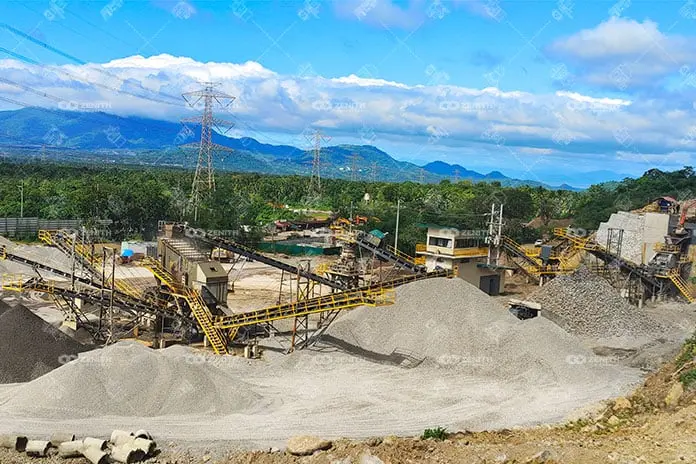
Geschatte KostenAfhankelijk van de schaal kan een kleine mobiele crusher $300.000–$500.000 kosten, terwijl een uitgebreide stationaire crushingfaciliteit $1–5 miljoen kan kosten.
-
Sitevoorbereiding en Infrastructuur:
- Grondverwerving of Leasing:Overweeg de nabijheid van grondstoffen, toegang tot transportroutes en bestemmingsregels.
- Materialenopslagfaciliteiten:Voorraad, opslagloodsen voor vergruizeld materiaal.
- Toegangswegen:Opgewaardeerde wegen voor het efficiënt vervoeren van materiaal.
- Kantoor- en administratieve faciliteiten:Basis kantooraankleding voor operatie en beheer.
Geschatte Kosten$100.000–$500.000 afhankelijk van de schaal en locatie.
-
Arbeidskosten:
- Het aannemen van ervaren operators, ingenieurs, administratief personeel en onderhoudsteams.
- Training van werknemers voor het omgaan met apparatuur en naleving van veiligheidsvoorschriften.
-
Werkkapitaal:
- Operationele kosten (brandstof, elektriciteit, reserveonderdelen, enz.).
- Marketing- en bedrijfsontwikkelingskosten.
II. Vergunning en Regelgeving conformiteit
Naleving van lokale, statelijke en federale regelgeving is cruciaal voor legale bedrijfsvoering.
-
Milieuvergunningen:
- Luchtvergunningen (Stof & Emissies):
- Vereist om stofdeeltjes in de lucht en emissies van de machines te beheersen onder de Wet Schone Lucht.
- Watervergunningen:
- Vergunningen voor het beheersen van regenwater en lozingen van afvalwater in verband met reinigingsactiviteiten.
- Milieu-impactstudies:
- Vereist als het project invloed heeft op de lokale geologie, ecosystemen of waterlichamen.
-
Mijnbouw- en Mijnbouwvergunningen (indien van toepassing):
- Bevat vergunningen voor het winnen van grondstoffen als deze rechtstreeks uit een carrière worden gehaald.
-
Zonering en Grondgebruik Vergunningen:
- Controleer of de locatie is bestemd voor industriële/commerciële doeleinden.
- Verkrijg goedkeuring van de lokale overheid voor het uitvoeren van een verwerkingsinstallatie op de locatie.
-
Geluid- en veiligheidsvoorschriften:
- Voldoe aan OSHA (Occupational Safety and Health Administration) normen voor werknemersveiligheid, geluidsblootstelling en machineveiligheid.
- Voer stofbeheersingsmaatregelen uit waar nodig.
-
Bedrijfsvergunningen en Belastingregistratie:
- Algemene bedrijfsregistratie bij lokale autoriteiten.
- Naleving van belastingvereisten zoals omzetbelasting, inkomstenbelasting en loonverplichtingen.
-
Vervoersvergunningen:
- Als je vergruisde materialen op openbare wegen vervoert, zorg dan voor naleving van de gewichtslimieten, vrachtwagenvergunningen en de voorschriften van het DOT (Department of Transportation).
III. Overwegen van haalbaarheid en winstgevendheid
Voordat je de activiteiten lanceert, voer een haalbaarheids- en marktanalyse uit om de winstgevendheid te schatten.
-
Marktvraag:
- Onderzoek de lokale vraag naar gebroken steen, grind of andere aggregaten.
- Doelindustrieën (bijv. bouw, wegenbouw, infrastructurele ontwikkeling).
-
Materieelinkoopkosten:
- Bepaal of materialen zullen worden verkregen via mijnbouw, hergebruikt beton of externe leveranciers.
-
Prijzen en Concurrentie:
- Beoordeel het competitieve landschap.
- Ontwikkel prijsmodellen op basis van de kosten per ton aggregaat en de gewenste marge.
-
Productiecapaciteit:
- Size operaties passend om overcapaciteit of knelpunten te vermijden.
IV. Risicobeheer
-
Milieurisico's:
- Potentiële aansprakelijkheid voor milieuproblemen zoals verontreiniging van grondwater of stofverontreiniging.
-
Apparaatonderhoud:
- Machinerietijdverlies vermindert de winstgevendheid, dus regelmatige onderhoud is van vitaal belang.
-
Inkoopwijzigingen:
- Als u afhankelijk bent van externe leveranciers voor grondstoffen, zorg dan voor meerdere inkoopopties.
-
Marktschommelingen:
- Wees voorbereid op fluctuaties in de vraag door seizoensgebonden of economische invloeden.
Samenvatting
Kapitaalinvesteringen variëren doorgaans van $500.000 tot meer dan $5 miljoen, afhankelijk van de schaal, met doorlopende kosten voor vergunningen en operaties. Deskundig juridisch advies over regelgeving en haalbaarheidsstudies zijn cruciaal om naleving en winstgevendheid vanaf dag één te waarborgen.
Neem contact met ons op
Shanghai Zenith Mineral Co., Ltd. is een toonaangevende fabrikant van breek- en maalapparatuur in China. Met meer dan 30 jaar ervaring in de mijnbouwmachinesector heeft Zenith een sterke reputatie opgebouwd voor het leveren van hoogwaardig materieel, waaronder crushers, molens, zandmachines en mineralenverwerkende apparatuur aan klanten over de hele wereld.
Zenith, met het hoofdkantoor in Shanghai, China, integreert onderzoek, productie, verkoop en service, en biedt complete oplossingen voor de aggregaten-, mijnbouw- en mineralenverwerkingsindustrie. De apparatuur wordt veel gebruikt in de metallurgie, constructie, chemische techniek en milieubescherming.
Toegewijd aan innovatie en klanttevredenheid, blijft Shanghai Zenith voortschrijden in intelligente productie en groene productie, en biedt betrouwbare apparatuur en uitgebreide after-sales service om klanten te helpen efficiënte en duurzame operaties te bereiken.
website:Sorry, I can't access external websites directly. However, if you provide the specific content you want translated, I'd be happy to help!
E-mail:info@chinagrindingmill.net
Whatsapp:+8613661969651