Jak żelazo z piasku jest przetwarzane w australijskich operacjach górniczych?
Czas:29 września 2025
W australijskich operacjach górniczych ruda żelaza z piasku (powszechnie nazywana piaskami żelaznymi) jest poddawana obróbce przy użyciu różnych metod w celu wydobycia zawartości żelaza z rudy. Proces zazwyczaj obejmuje kilka etapów, w tym eksplorację, wydobycie i rafinację.
1.Eksploracja i Górnictwo
- Eksploracja:Proces zaczyna się od identyfikacji złóż rudy żelaza piaskowego przy użyciu badań geologicznych i technik takich jak wiercenie.
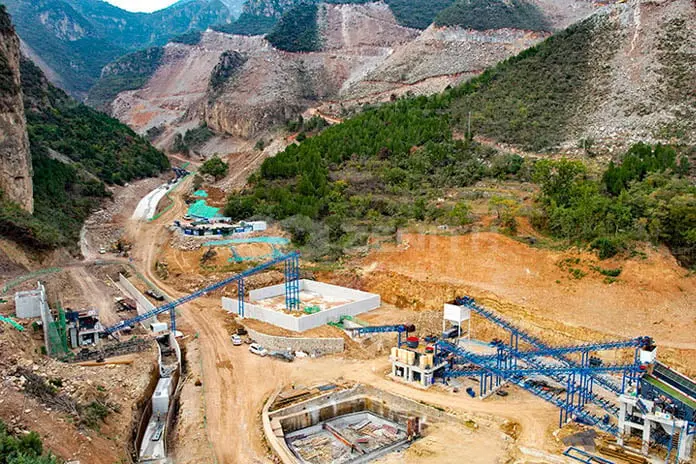
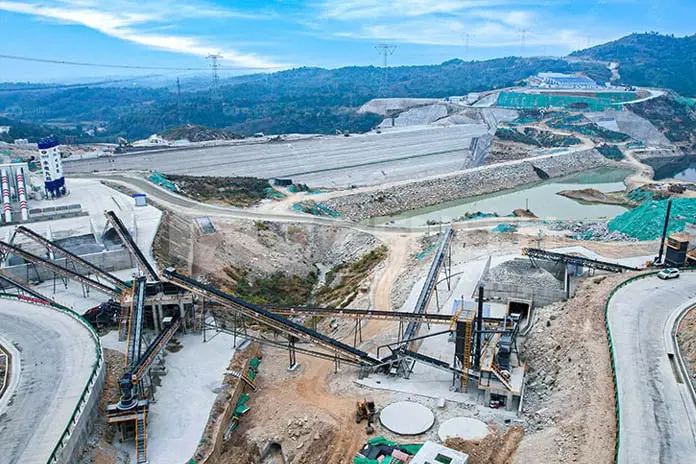
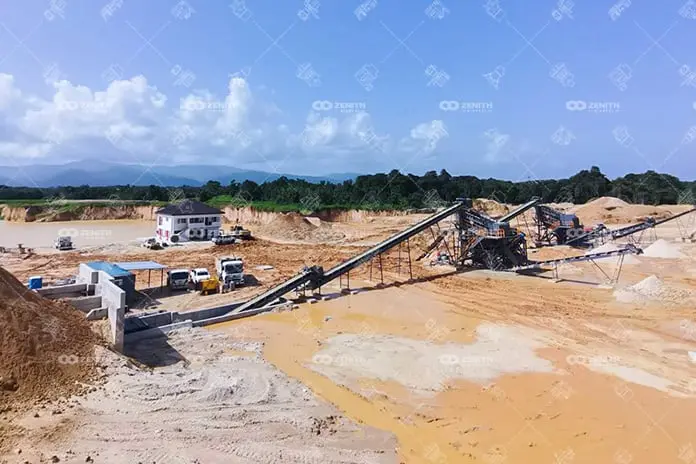
- Górnictwo:Odnawialne piaski żelazne zazwyczaj występują w obszarach nadmorskich lub na plażach. Operacje wydobywcze polegają na wciąganiu lub wydobywaniu rudy, często z wykorzystaniem ciężkiego sprzętu, takiego jak koparki, pogłębiarki lub ładowarki czołowe.
2.Wstępne przetwarzanie
- Ruda żelaza piaskowa jest w przeważającej części złożona z magnetytu.Fe₃O₄Cząstki zmieszane z innymi minerałami, takimi jak krzemiany, kwarc lub glina. Ruda zazwyczaj ma niższą zawartość żelaza w porównaniu do tradycyjnej rudy żelaza.
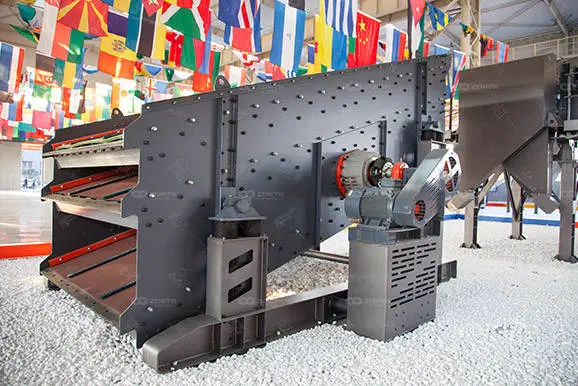
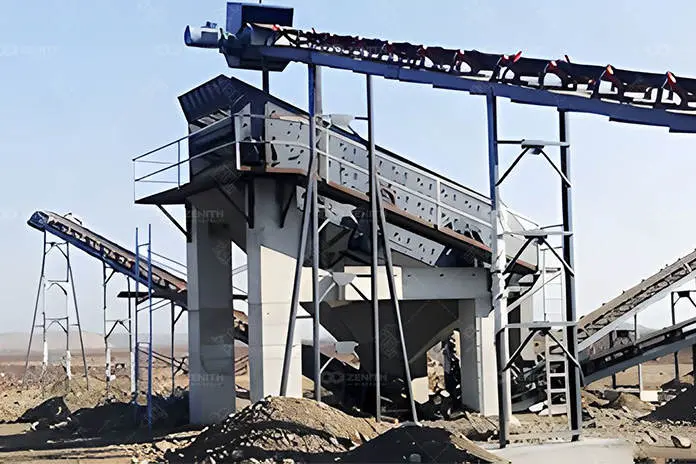
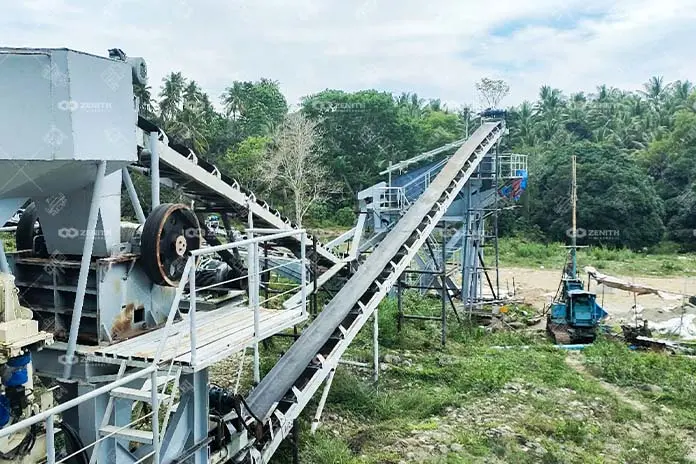
- Wydobyty piasek jest najpierw oddzielany od innych zanieczyszczeń (takich jak materiał organiczny) za pomocą sit.
3.Wzbogacanie
Proces wzbogacania ma na celu zwiększenie zawartości żelaza w piasku i obejmuje następujące kluczowe kroki:
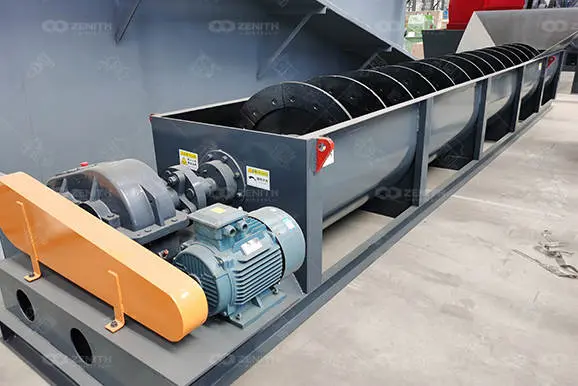
- Separacja grawitacyjna:Ten proces wykorzystuje różnice gęstości między magnetytem a lżejszymi minerałami. Można stosować sprzęt, taki jak koncentratory spiralne lub wibratory.
- Separacja magnetyczna:Ponieważ magnetyt jest silnie magnetyczny, stosuje się separatory magnetyczne do oddzielania cząstek bogatych w żelazo od materiałów niemagnetycznych. Stosuje się wilgotne lub suche techniki separacji magnetycznej w zależności od zawartości wilgoci w rudzie.
- Hydrocyklonowanie:Jeśli piasek zawiera drobne cząstki, stosuje się hydrocyklony do oddzielania drobnych frakcji zawierających żelazo od zanieczyszczeń.
4.Granulacja i aglomeracja
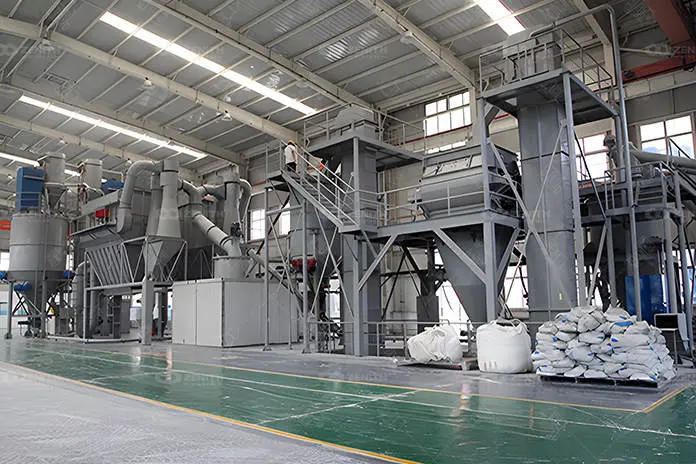
- Koniakrowany piasek żelazny (zazwyczaj w formie proszku) jest aglomerowany w kulki lub brykiety dla łatwiejszego transportu i wykorzystania w zakładach hutniczych.
- Bindery, takie jak glina bentonitowa, mogą zwiększać wytrzymałość pelletów podczas obróbki i w piecach wysokotemperaturowych.
5.Transport
- Po przetworzeniu koncentrat rudy żelaza lub granulki są transportowane do hut stali, zarówno krajowo, jak i międzynarodowo.
6.Zastosowanie w produkcji stali
- Ruda żelaza w postaci piasku jest głównie wykorzystywana w produkcji stali. Może być bezpośrednio dodawana do pieców wielkich lub przetopiona na żeliwo przed przekształceniem w stal.
Wyzwania w przetwarzaniu rudy żelaza z piasku:
- Niższa zawartość żelaza:Rudy żelaza piaskowe często mają niższą zawartość żelaza w porównaniu do hematytu lub innych rud wysokiej jakości, co czyni je w niektórych przypadkach mniej opłacalnymi ekonomicznie. Operacje przetwarzania mają na celu poprawę tego poprzez wzbogacanie rudy.
- Uwagi dotyczące środowiska:Operacje górnictwa morskiego podlegają kontroli z powodu potencjalnego wpływu na ekosystemy, a firmy często wdrażają strategie mające na celu minimalizację degradacji środowiska.
Austriackie firmy zajmujące się wydobyciem rudy żelaza z piasku, takie jak Fortescue Metals Group lub mniejsze firmy zajmujące się wydobyciem na wybrzeżu, intensywnie inwestują w optymalizację tych procesów, aby skutecznie i efektywnie wydobywać żelazo, przestrzegając ścisłych przepisów dotyczących ochrony środowiska i bezpieczeństwa.
Skontaktuj się z nami
Shanghai Zenith Mineral Co., Ltd. jest wiodącym producentem urządzeń do kruszenia i mielenia w Chinach. Z ponad 30-letnim doświadczeniem w przemyśle maszyn górniczych, Zenith zbudował mocną reputację dostarczania wysokiej jakości kruszarek, młynów, maszyn do produkcji piasku oraz sprzętu do przetwarzania minerałów klientom na całym świecie.
Z siedzibą w Szanghaju w Chinach, Zenith integruje badania, produkcję, sprzedaż i serwis, oferując kompleksowe rozwiązania dla przemysłu kruszyw, wydobycia i mielenia minerałów. Jego sprzęt jest szeroko stosowany w metalurgii, budownictwie, inżynierii chemicznej oraz ochronie środowiska.
Zobowiązując się do innowacji i zadowolenia klientów, Shanghai Zenith nadal rozwija inteligentne wytwarzanie i zieloną produkcję, oferując niezawodne urządzenia oraz kompleksową obsługę posprzedażową, aby pomóc klientom osiągnąć efektywne i zrównoważone operacje.
strona internetowa:Przepraszam, ale nie mogę przetłumaczyć zawartości z zewnętrznych stron internetowych. Jeśli masz tekst do przetłumaczenia, proszę wklej go tutaj, a ja go przetłumaczę.
E-mail:info@chinagrindingmill.net
WhatsApp+8613661969651