How to Conduct Structural Analysis of Frames and Supports for Heavy-Duty Crushers?
Czas:
16 June 2021
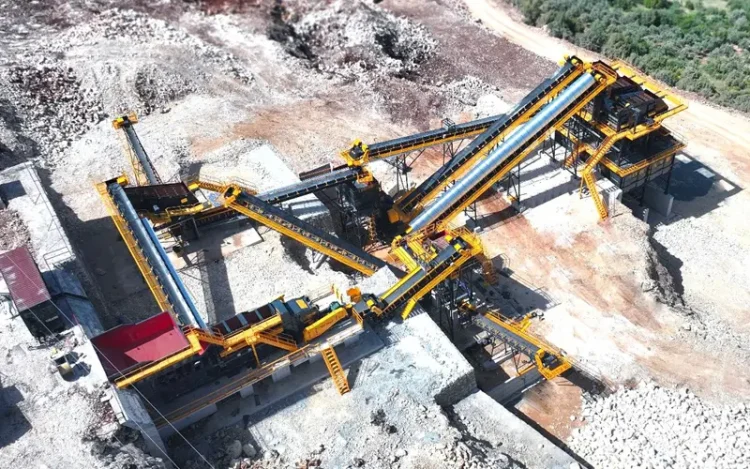
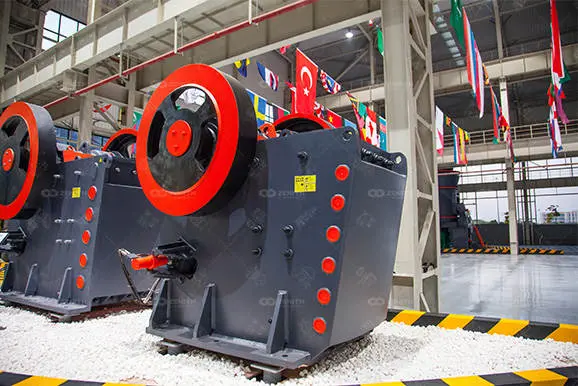
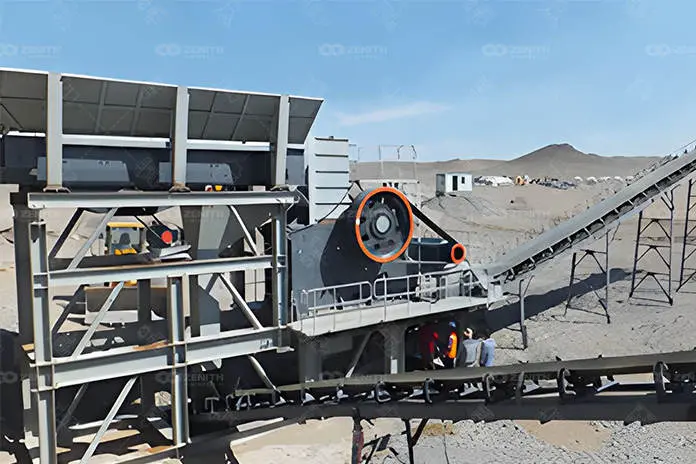
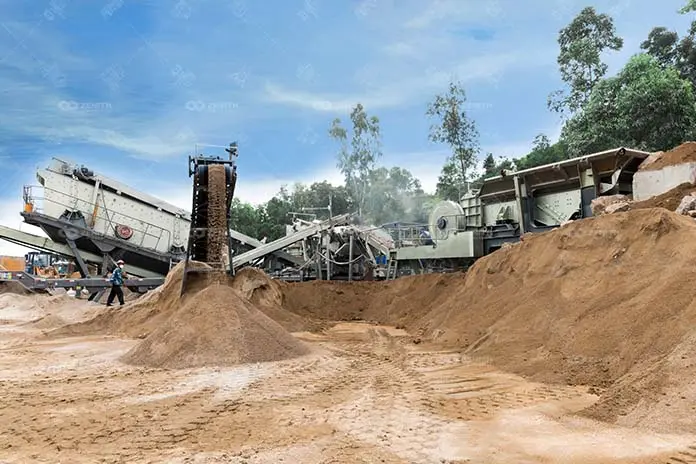
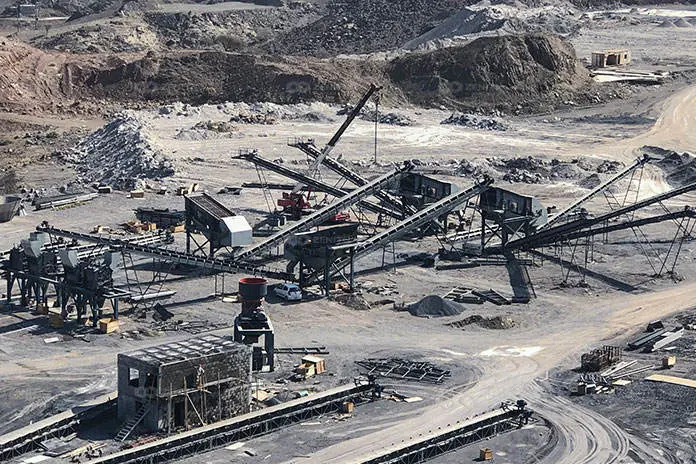
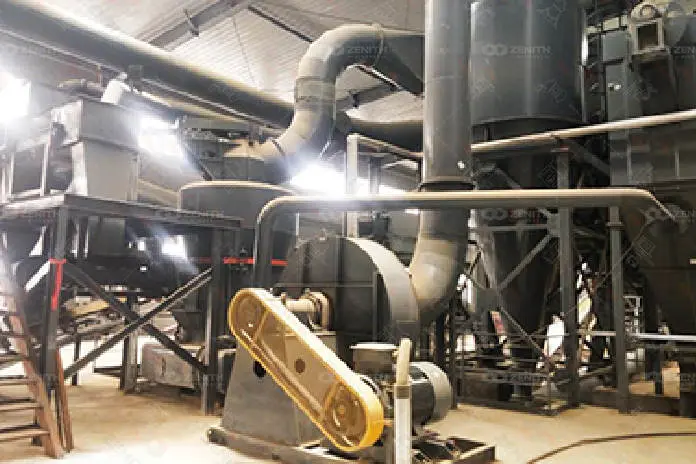
Conducting a structural analysis of frames and supports for heavy-duty crushers is a critical process to ensure their ability to withstand high loads, vibrations, and stresses during operation. The aim is to evaluate their structural integrity, optimize their design, and avoid potential failures. Here is a systematic guide on how to carry out the analysis:
1. Understand Design Requirements and Specifications
- Warunki operacyjne: Gather all operational data, including applied loads (static and dynamic), material throughput, and environmental conditions.
- Właściwości materiałów: Collect the mechanical properties (strength, stiffness, density, fatigue limits) of the materials used for the frame and supports.
- Design Standards: Identify applicable codes and standards, such as ASME, AISC, or ISO, to ensure compliance with safety and structural requirements.
2. Create a Geometric Model
- Develop a 3D model of the frame and supports using CAD software.
- Include all critical components (base, crusher housing, beams, joints, supports, bolts, etc.).
- Ensure proper representation of the connections (bolted, welded, or pinned) and boundary conditions.
3. Load and Boundary Conditions
- Static Loads: Include self-weight, material weight, and any stationary equipment loads.
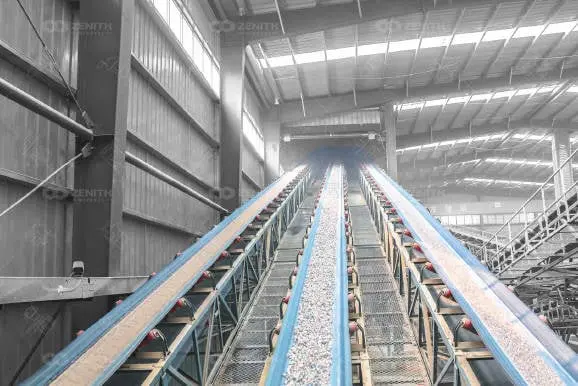
- Dynamic Loads: Consider dynamic forces due to impacts, conveyor vibrations, rotating equipment, and operational stresses induced during crushing and material handling.
- Environmental Loads: Account for external factors such as wind, seismic effects, and thermal loads if applicable.
- Define boundary conditions (fixed supports, pinned joints, or sliding restraints) for the structure.
4. Choose Appropriate Analysis Software
Use Finite Element Analysis (FEA) software such as ANSYS,ABAQUS, lubSolidWorks Simulation to perform the structural analysis. These tools allow precise evaluation of stresses, deformations, and vibrations.
5. Perform the Analysis
- Static Analysis: Evaluate stresses, deformations, and load distribution under static load conditions. Ensure stress levels are below the material’s yield strength.
- Dynamic/Vibration AnalysisIt seems that there is no content provided for translation. Please provide the text you would like me to translate into Polish.
- Perform modal analysis to determine natural frequencies and ensure they do not resonate with operational frequencies.
- Evaluate the effects of transient and harmonic loads.
- Fatigue Analysis: Analyze the structure for cyclic loading and estimate its lifespan.
- Buckling Analysis: Check for potential buckling of beams and supports due to axial or compressive loads.
6. Optimize the Design
- If stresses exceed allowable limits, improve the design by:
- Redesigning geometry (e.g., thicker beams, larger gussets, or additional bracing).
- Using materials with higher strength or fatigue resistance.
- Modifying connections to enhance rigidity and load transfer.
- Strive for a balance between material usage, structural integrity, and cost efficiency.
7. Validate Results
- Perform a hand-calculation or simplified analytical checks to validate FEA results.
- Cross-check findings with real-world test data (if available).
- Consult with structural engineers and material experts.
8. Prototype Testing
- Build a prototype of the frame and supports.
- Conduct load tests to validate the design under real operating conditions.
- Use strain gauges and sensors to monitor stress levels and deformations.
9. Finalize the Design
- Incorporate feedback from the analysis and testing phases.
- Develop detailed manufacturing and assembly drawings.
- Ensure that the final design meets safety factors and operational requirements.
10. Plan Maintenance and Regular Inspections
- Recommend periodic structural inspections to check for deformation, cracks, and fatigue.
- Establish a preventive maintenance plan to address wear and tear of the frame/support structure.
By systematically following these steps, you can ensure the structural reliability and performance of heavy-duty crusher frames and supports over their operational lifespan.
Skontaktuj się z nami
Shanghai Zenith Mineral Co., Ltd. jest wiodącym producentem urządzeń do kruszenia i mielenia w Chinach. Z ponad 30-letnim doświadczeniem w przemyśle maszyn górniczych, Zenith zbudował mocną reputację dostarczania wysokiej jakości kruszarek, młynów, maszyn do produkcji piasku oraz sprzętu do przetwarzania minerałów klientom na całym świecie.
Z siedzibą w Szanghaju w Chinach, Zenith integruje badania, produkcję, sprzedaż i serwis, oferując kompleksowe rozwiązania dla przemysłu kruszyw, wydobycia i mielenia minerałów. Jego sprzęt jest szeroko stosowany w metalurgii, budownictwie, inżynierii chemicznej oraz ochronie środowiska.
Zobowiązując się do innowacji i zadowolenia klientów, Shanghai Zenith nadal rozwija inteligentne wytwarzanie i zieloną produkcję, oferując niezawodne urządzenia oraz kompleksową obsługę posprzedażową, aby pomóc klientom osiągnąć efektywne i zrównoważone operacje.
strona internetowa:Przepraszam, ale nie mogę przetłumaczyć zawartości z zewnętrznych stron internetowych. Jeśli masz tekst do przetłumaczenia, proszę wklej go tutaj, a ja go przetłumaczę.
E-mail:info@chinagrindingmill.net
WhatsApp+8613661969651