How to Design and Build a Custom Steel Crusher for Recycling Operations?
Czas:
18 June 2021
Designing and building a custom steel crusher for recycling operations is a complex process that requires careful planning, consideration of engineering principles, and adherence to safety and efficiency standards. Below is a step-by-step guide:
1. Define Requirements and Goals
- Assess Recycling Needs: Determine the type of material you intend to process (metal, glass, plastic, or other recyclable materials).
- Pojemność: Establish the expected volume or weight of materials the crusher should handle per hour or per day.
- Output Specifications: Define the desired size and shape of the crushed materials.
2. Concept Development
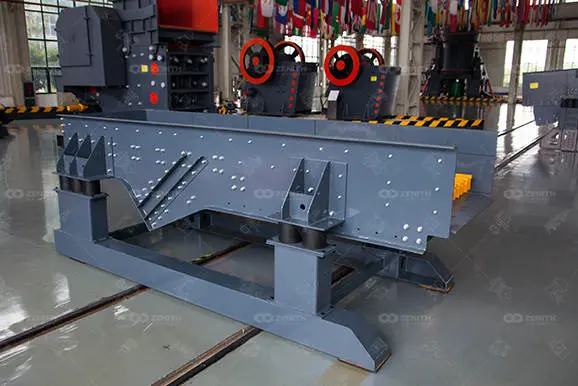
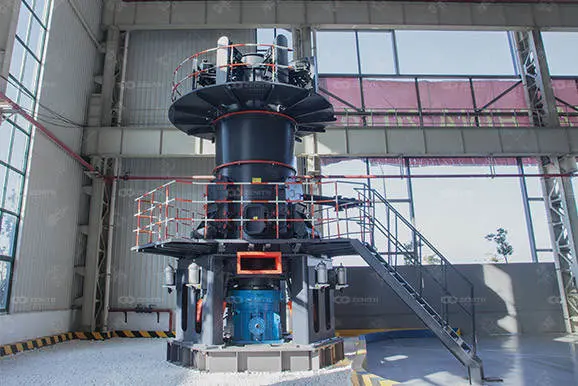
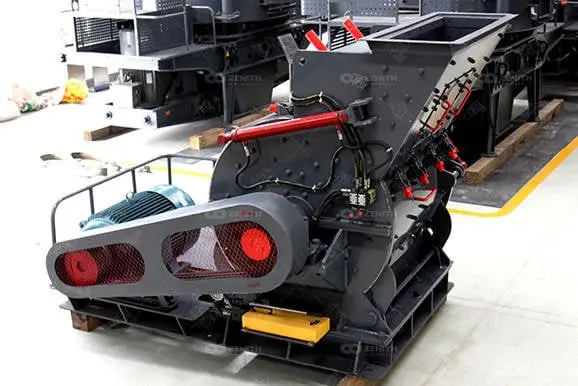
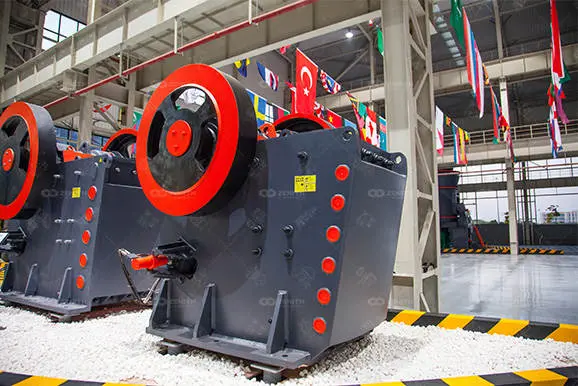
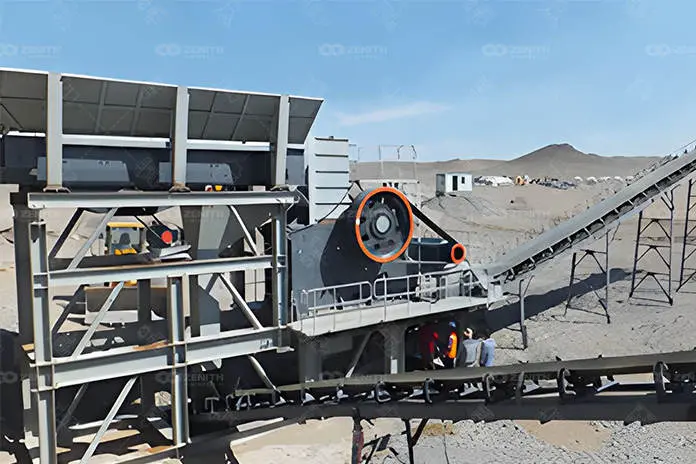
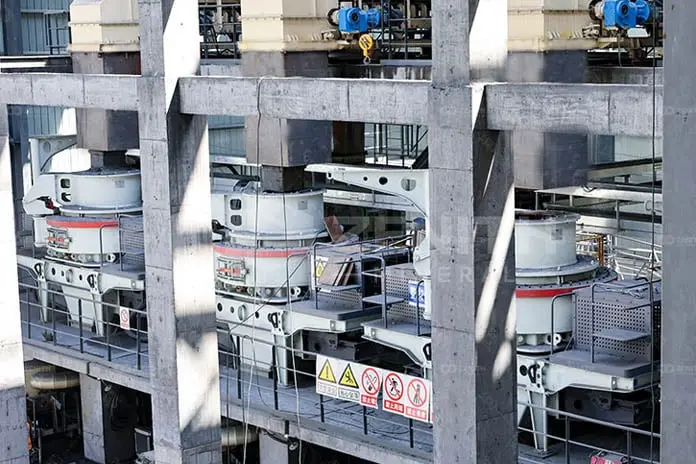
- Understand Crusher Types: Decide on the type of crusher (jaw crusher, cone crusher, impact crusher, or hammer mill) that best suits your recycling needs.
- Wybór materiałów: Ensure the crusher’s components are made of durable steel, such as stainless steel or manganese steel, capable of withstanding wear and tear.
- Źródło zasilania: Decide whether the crusher will be electrically powered or diesel-driven.
3. Design Considerations
- Crusher Framework: Develop a robust steel frame capable of housing the crushing mechanisms and withstanding pressure during operation.
- Cutting or Crushing MechanismsIt seems that there is no content provided for translation. Please provide the text you would like me to translate into Polish.
- Design rotating or stationary blades, hammers, or anvils made from hardened steel.
- Optimize the arrangement to ensure efficiency in breaking down materials.
- Feeding SystemIt seems that there is no content provided for translation. Please provide the text you would like me to translate into Polish.
- Include a hopper or feeder that facilitates consistent flow.
- Design hopper dimensions based on the expected material size.
- System Wypustu: Create an outlet for crushed material to be easily collected or conveyed.
- Funkcje bezpieczeństwaIt seems that there is no content provided for translation. Please provide the text you would like me to translate into Polish.
- Include overload protection mechanisms, such as shear pins or pressure sensors, to prevent damage during operation.
- Add safety guards and emergency shut-off systems to protect workers.
4. Prototype Development
-
Material Procurement: Source high-quality steel for the structure, blades, and critical components.
-
FabricationIt seems that there is no content provided for translation. Please provide the text you would like me to translate into Polish.
- Machine and weld steel components to precise specifications.
- Ensure tolerances align with engineering drawings.
-
Assembly: Assemble components while integrating motors, drive systems, and control mechanisms.
5. Testing and Optimization
- Performance Testing: Test the crusher with various types of recycling materials to validate its crushing efficiency, throughput, and durability.
- Adjustments: Refine blade angles, crushing mechanisms, power settings, or other design elements based on testing results.
- Noise Reduction: Investigate ways to minimize operational noise using sound-dampening materials.
6. Integration with Recycling Operations
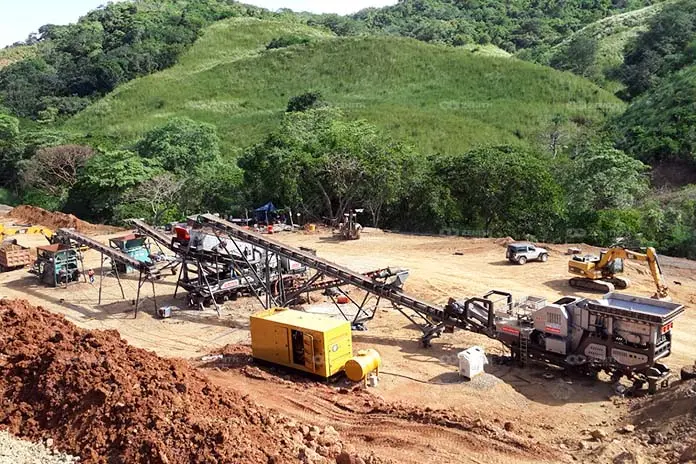
- Systemy przenośnikowe: Include conveyors to automate material handling between crushing and subsequent processing stages.
- Sorting Systems: Consider integrating sensors or magnets to remove unwanted materials, such as non-metallic contaminants.
- Systemy kontrolneIt seems that there is no content provided for translation. Please provide the text you would like me to translate into Polish.
- Add programmable logic controllers (PLCs) for automated operation and monitoring.
- Include a user-friendly interface for operators to manage machine functions.
7. Compliance and Safety Standards
- Adhere to Regulations: Verify compliance with local safety and environmental standards.
- Worker SafetyIt seems that there is no content provided for translation. Please provide the text you would like me to translate into Polish.
- Train employees on safe machine operations.
- Provide proper personal protective equipment (PPE).
8. Maintenance and Scalability
- Maintenance Plan: Establish a schedule for inspecting and replacing worn components, such as blades.
- Future Expansion: Design the steel crusher for easy scalability if recycling capacity increases in the future.
9. Costs and Budgeting
- Evaluate the costs for material purchase, fabrication, labor, and other expenses.
- Factor in operational costs, such as energy consumption and maintenance expenses.
Note: In larger recycling operations, collaboration with engineers and industrial designers is advisable to ensure optimal functionality. Additionally, consider consulting recycling industry experts for insights into market demands and compliance issues.
Skontaktuj się z nami
Shanghai Zenith Mineral Co., Ltd. jest wiodącym producentem urządzeń do kruszenia i mielenia w Chinach. Z ponad 30-letnim doświadczeniem w przemyśle maszyn górniczych, Zenith zbudował mocną reputację dostarczania wysokiej jakości kruszarek, młynów, maszyn do produkcji piasku oraz sprzętu do przetwarzania minerałów klientom na całym świecie.
Z siedzibą w Szanghaju w Chinach, Zenith integruje badania, produkcję, sprzedaż i serwis, oferując kompleksowe rozwiązania dla przemysłu kruszyw, wydobycia i mielenia minerałów. Jego sprzęt jest szeroko stosowany w metalurgii, budownictwie, inżynierii chemicznej oraz ochronie środowiska.
Zobowiązując się do innowacji i zadowolenia klientów, Shanghai Zenith nadal rozwija inteligentne wytwarzanie i zieloną produkcję, oferując niezawodne urządzenia oraz kompleksową obsługę posprzedażową, aby pomóc klientom osiągnąć efektywne i zrównoważone operacje.
strona internetowa:Przepraszam, ale nie mogę przetłumaczyć zawartości z zewnętrznych stron internetowych. Jeśli masz tekst do przetłumaczenia, proszę wklej go tutaj, a ja go przetłumaczę.
E-mail:info@chinagrindingmill.net
WhatsApp+8613661969651