What Are the Key Pricing Factors for Wash Plants, Gravity Separation Plants, and Portable Processing Equipment?
Tid:
2 November 2025
The pricing factors for wash plants, gravity separation plants, and portable processing equipment in mining, aggregate processing, or related industries depend on various technical, operational, and market considerations. Below are the key factors that influence pricing:
1. Equipment Specifications
- Capacity/Throughput: Higher capacity equipment typically costs more as it requires larger components, more robust designs, and advanced engineering.
- Processing Efficiency: Equipment with higher recovery rates that uses advanced technologies often commands higher prices.
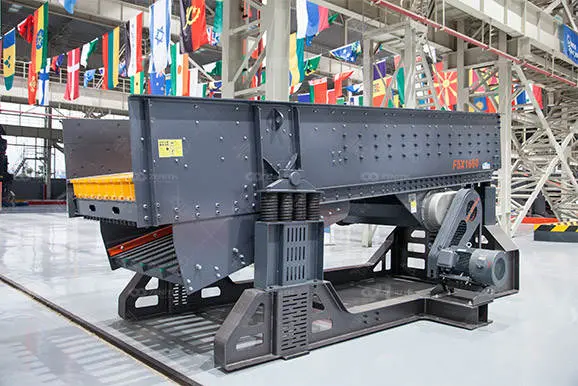
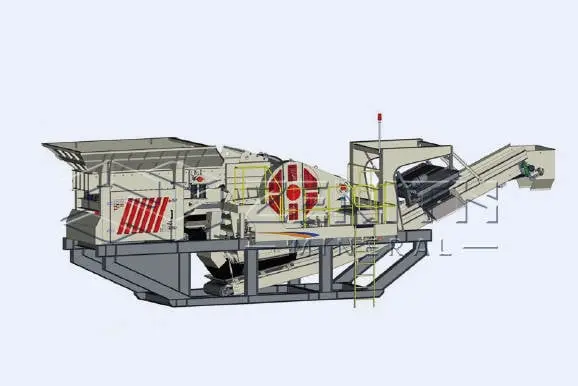
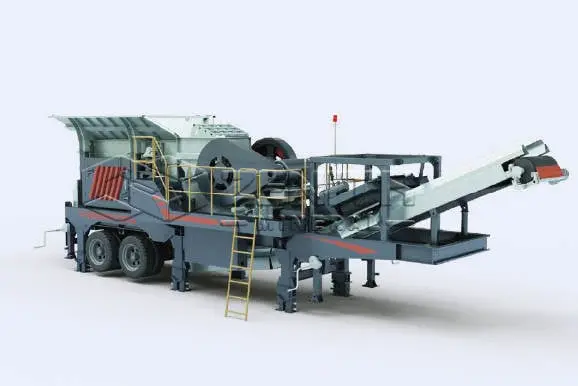
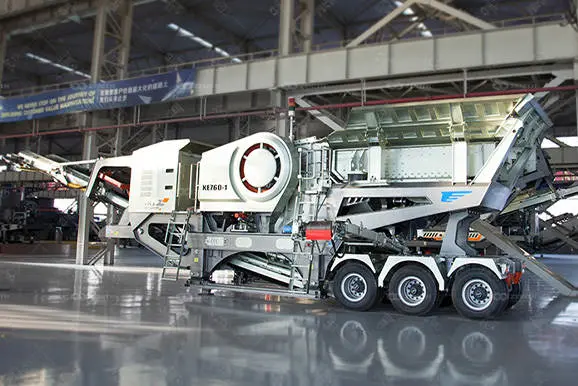
- Portability vs. Fixed Systems: Portable processing machines with modular designs may have higher upfront costs compared to stationary systems but provide on-site flexibility.
- Customization: Specialized designs tailored to specific materials or locations increase the production cost and price.
2. Material Processed
- Type of Material: Hard rock, sand, gravel, or minerals vary in processing difficulty. Equipment designed for dense materials (e.g., gold or heavy metals) may require additional components, influencing price.
- Feed Size and Composition: Equipment capable of handling larger feed sizes or material with contamination (e.g., clay content) requires more robust designs.
- Water and Power Requirements: Systems designed for dry or wet processing, and their energy efficiency, can heavily impact the equipment’s overall cost.
3. Technology and Features
- Gravity Separation Techniques: Advanced systems that use spiral concentrators, hydrocyclones, or centrifugal separators are typically priced higher due to their specialized features.
- Automation: Inclusion of sensors, programmable logic controllers (PLCs), or integrated artificial intelligence increases the initial cost.
- Wash Capabilities: Extra features such as high-pressure water systems or multi-stage separation units will also increase costs.
- Eco-Friendliness: Systems that conserve water, minimize environmental impact, or meet regulations may cost more but save operational expenses over time.
4. Build Quality and Durability
- Använda material: Equipment built with higher-grade materials (e.g., stainless steel, abrasion-resistant steel) will be more expensive but lasts longer under harsh conditions.
- Manufacturer Reputation: Trusted brands with proven track records may charge a premium for reliability, warranty support, and after-sales service.
- Corrosion and Wear Resistance: For gravity plants and wash plants used in abrasive environments, coatings and wear parts affect the price.
5. Mobility and Transport
- Portable Equipment: Mobile or modular equipment typically incurs higher upfront costs due to engineering for mobility, compact design, and ease of installation.
- Shipping Costs: Large or heavy systems cause increased transportation expenses, which might indirectly impact final price quotes.
6. Operational Costs
- Energieffektivitet: Machines with lower long-term operating costs may have higher purchase prices.
- Underhållskostnader: Simpler systems with fewer moving parts may be less expensive upfront and require less upkeep.
- Operator Training Requirements: Equipment requiring advanced training or specialized operators may influence pricing indirectly.
7. Market Demand and Availability
- Market Trends: High demand for certain types of equipment (e.g., gold gravity separators or modular wash plants) can inflate pricing during peak periods.
- Geographic Location: Equipment pricing varies regionally due to shipping, labor costs, tariffs, and local competition.
- Lead Times and Inventory: Custom-built or specialized systems may have longer lead times and higher prices, whereas readily available models may be less expensive.
8. Regulatory Compliance
- Environmental Standards: Equipment that meets stringent emissions, wastewater management, or energy efficiency regulations may cost more to manufacture.
- Safety Features: Incorporation of safety technologies like guards, monitors, and emergency shutdowns increases pricing.
9. Ancillary Equipment and Extras
- Ytterligare komponenter: Pricing often includes optional equipment such as conveyors, water pumps, storage tanks, or screening systems.
- Site Preparation: The cost will also depend on whether additional infrastructure or installation services are provided (e.g., civil works).
Understanding these factors helps businesses and investors evaluate equipment purchases not solely on upfront costs but also on long-term performance, efficiencies, and suitability for specific operational needs.
Contact Us
Shanghai Zenith Mineral Co., Ltd. is a leading manufacturer of crushing and grinding equipment in China. With more than 30 years of experience in the mining machinery industry, Zenith has built a strong reputation for delivering high-quality crushers, mills, sand-making machines, and mineral processing equipment to customers around the world.
Headquartered in Shanghai, China, Zenith integrates research, production, sales, and service, providing complete solutions for aggregates, mining, and mineral grinding industries. Its equipment is widely used in metallurgy, construction, chemical engineering, and environmental protection.
Committed to innovation and customer satisfaction, Shanghai Zenith continues to advance in intelligent manufacturing and green production, offering reliable equipment and comprehensive after-sales service to help clients achieve efficient and sustainable operations.
website: https://www.chinagrindingmill.net
E-post:info@chinagrindingmill.net
Whatsapp:+8613661969651