What Determines Crushed Stone Cost per Ton?
Tid:
8 August 2021
The cost of crushed stone per ton is influenced by several factors. Here are the key determinants:
1. Type of Stone
- Different types of crushed stone, such as limestone, granite, trap rock, or sandstone, vary in cost due to differences in availability, durability, and sourcing.
- Specialty materials, such as marble or decorative stones, tend to cost more.
2. Quality and Grade
- Higher-quality stone with fewer impurities will usually cost more.
- Specific grades (such as crushed stone for road base or construction) may be priced based on the specific size and durability.
3. Production Costs
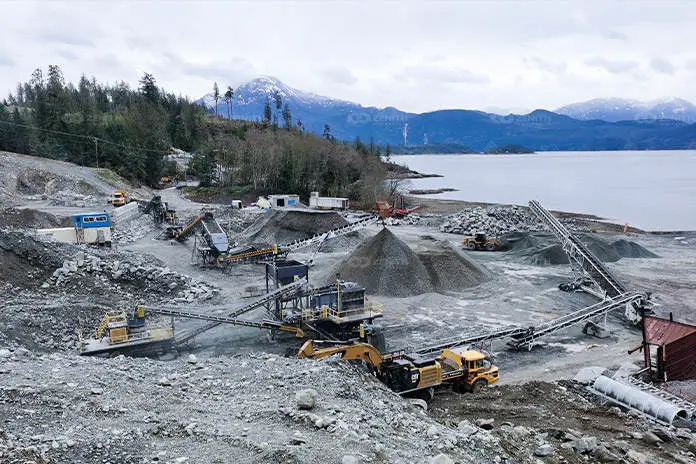
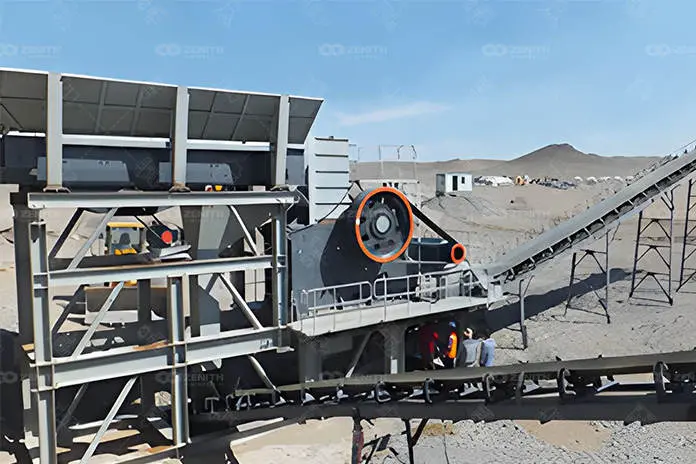
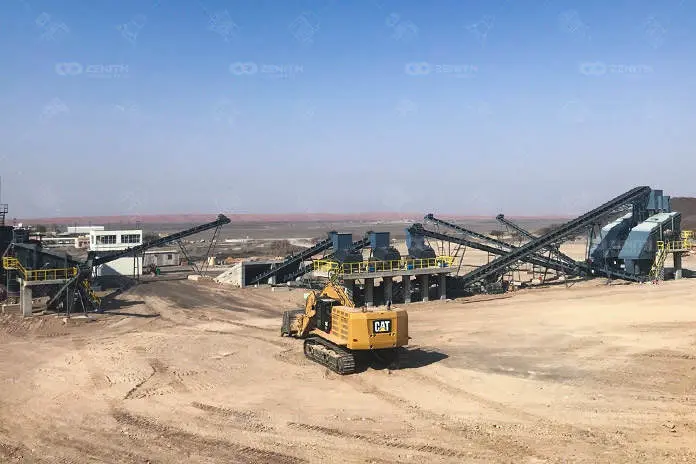
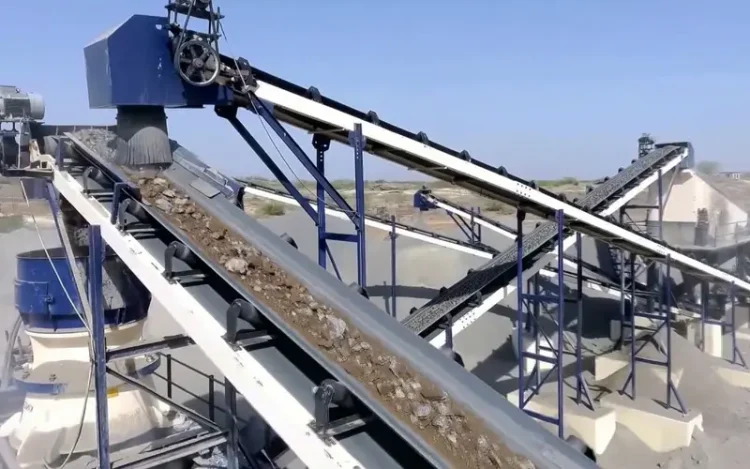
- Costs of mining, crushing, and sifting the stone play a role. Labor costs, equipment maintenance, fuel, and other operational costs will influence the price.
4. Transportation and Hauling
- Shipping costs are a major factor in the price of crushed stone.
- The farther the stone needs to travel from the quarry to the buyer, the greater the transportation cost. Purchasing from a local quarry can reduce this expense.
5. Volume Purchased
- Bulk purchases often result in lower per-ton pricing due to economies of scale.
- Smaller quantities purchased for residential use may cost more per ton.
6. Marknadsefterfrågan
- Price fluctuations can be driven by supply and demand. Construction booms or local shortages may raise prices.
- Seasonal demand can also influence costs; for example, costs might rise during peak building seasons.
7. Location
- Geographic location plays a big role, as certain regions may have an abundance of specific stone types, which lowers costs.
- Regions with fewer quarries may face higher rates due to limited supply and increased transportation costs.
8. Processing and Additional Treatments
- If the stone has been specially processed (e.g., washed, color-enhanced, or polished), the cost will increase.
- Screening to achieve specific sizes or shapes also raises production expenses.
9. Supplier Pricing
- Pricing strategies vary between suppliers. Some may offer bulk discounts, while others may emphasize premium-grade materials and charge more.
10. Taxes and Fees
- Additional costs like state or local taxes, environmental fees, or surcharges might be included in the total price.
Understanding these factors can help you make informed decisions and negotiate with suppliers for the best price. When purchasing crushed stone, consider your specific needs (size, quantity, and type), as these will impact your overall costs.
Contact Us
Shanghai Zenith Mineral Co., Ltd. is a leading manufacturer of crushing and grinding equipment in China. With more than 30 years of experience in the mining machinery industry, Zenith has built a strong reputation for delivering high-quality crushers, mills, sand-making machines, and mineral processing equipment to customers around the world.
Headquartered in Shanghai, China, Zenith integrates research, production, sales, and service, providing complete solutions for aggregates, mining, and mineral grinding industries. Its equipment is widely used in metallurgy, construction, chemical engineering, and environmental protection.
Committed to innovation and customer satisfaction, Shanghai Zenith continues to advance in intelligent manufacturing and green production, offering reliable equipment and comprehensive after-sales service to help clients achieve efficient and sustainable operations.
website: https://www.chinagrindingmill.net
E-post:info@chinagrindingmill.net
Whatsapp:+8613661969651