How to Structure Compliant Pollution Control Reports for Crusher Plant Environmental Audits?
Tid:
27 February 2021
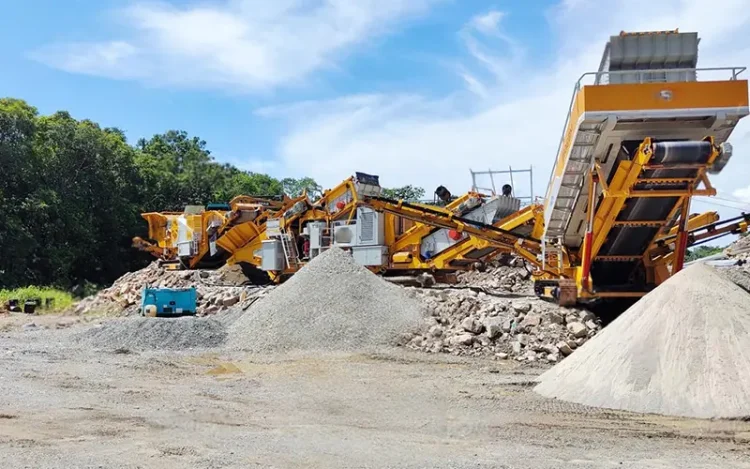
Creating compliant pollution control reports for crusher plant environmental audits requires adherence to local regulations, international standards, and best practices for environmental reporting. A well-structured report should include key sections providing clarity and evidence of compliance, while addressing environmental concerns effectively. Below are the recommended steps and guidelines to structure your report:
1. Title Page
- Name of the report: "Pollution Control Report for Crusher Plant Environmental Audits"
- Name of the crusher plant or facility.
- Location of the plant.
- Date of the audit and report preparation.
- Name of the responsible authority/person/organization conducting the audit.
- Reference numbers (if applicable, e.g., permit numbers or audit identifiers).
2. Executive Summary
- Provide an overview of the report’s purpose, scope, and findings.
- Highlight key achievements or compliance results.
- Summarize major pollution control measures in place or recommended improvements.
3. Background Information
- Details about the crusher plant:
- Size and capacity.
- Operational details (e.g., main activities, processing methods).
- Key environmental permits, licenses, or regulations applicable to the facility.
- Overview of audit objectives (e.g., compliance with air, water, and soil pollution control standards).
4. Scope of the Audit
- Outline what areas and operations were reviewed, such as:
- Air pollution: dust, particulate matter (PM), gaseous emissions.
- Water pollution: effluent discharge, wastewater treatment.
- Noise pollution.
- Soil contamination risks.
- Hazardous material management.
- Specify whether baseline data, historical compliance records, or real-time monitoring were assessed.
5. Methodology
- Define procedures and methods used during the audit:
- Sampling strategies (e.g., air quality monitors, water samples, noise meters).
- Equipment used to measure pollutants.
- Data analysis techniques.
- Applicable standard operating procedures (SOPs) or ISO guidelines.
6. Environmental Baseline Data
- Present historical pollution data from the crusher plant, if available.
- Include local environmental data relevant to the site (e.g., air or water quality of surrounding areas).
7. Pollution Control Measures
- Describe the measures in place to control pollution:
- Air quality: Dust extraction systems, wet suppression methods, stack emissions control.
- Water quality: Wastewater treatment plants, sedimentation tanks, recycling measures.
- Noise management: Equipment housing, soundproof operations, distance buffers.
- Waste and soil management: Proper disposal methods, landfill protocols.
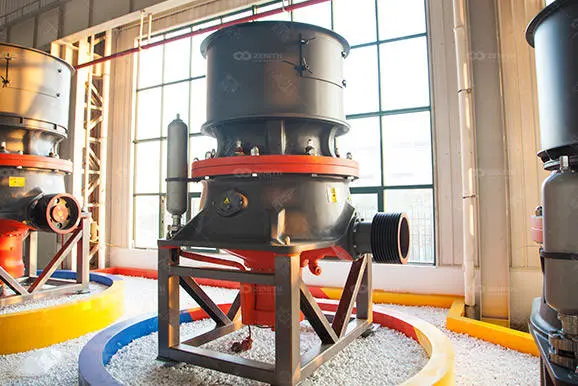
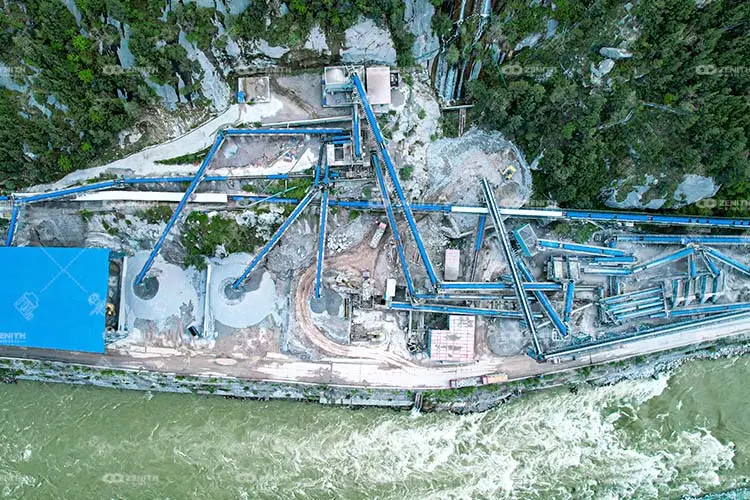
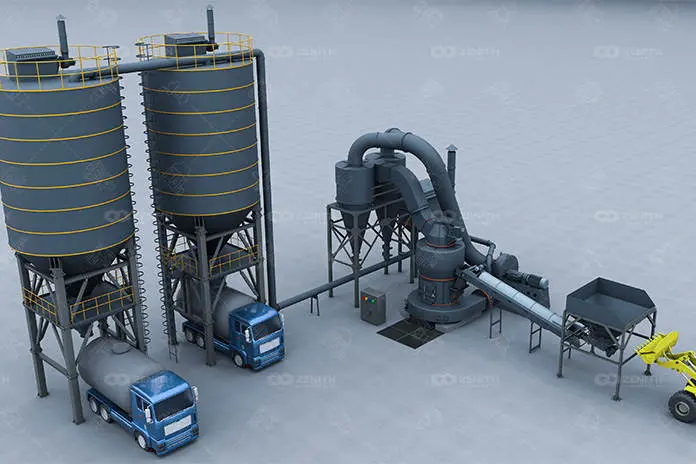
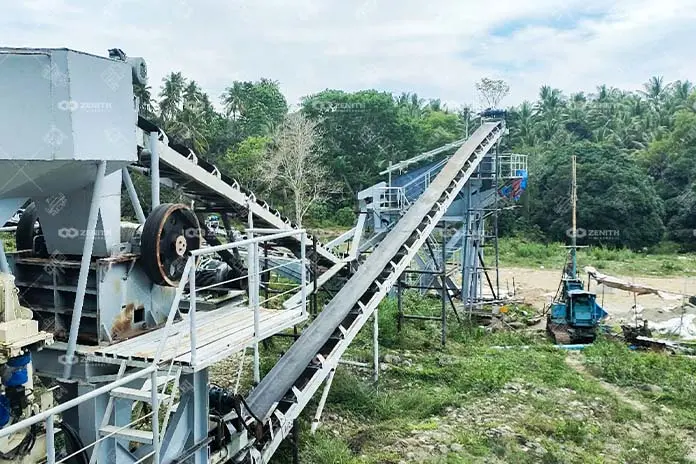
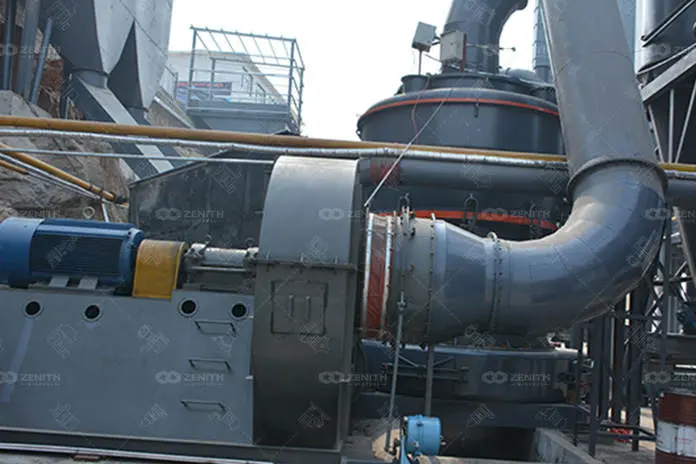
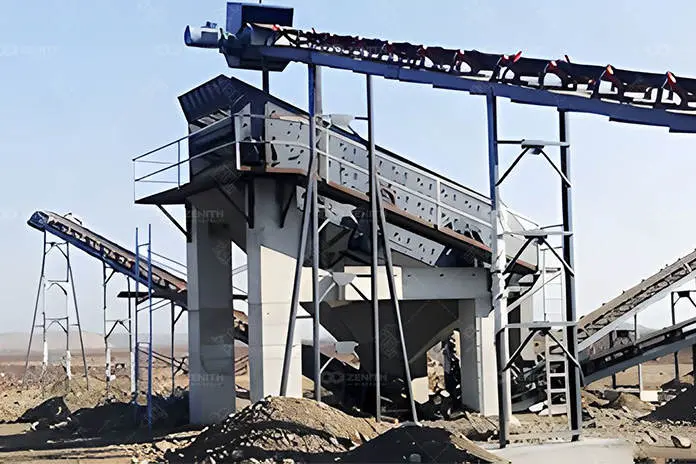
- Include diagrams/pictures showing installed equipment and controls where applicable.
8. Audit Findings and Results
- Present monitored data for key pollutants, such as:
- PM levels.
- Water discharge parameters (TDS, BOD, COD, pH levels).
- Noise decibel levels.
- Soil contamination indicators (heavy metals, pH).
- Compare these findings against permissible limits established by local, national, or international standards.
- Highlight areas of non-compliance, if any.
9. Recommendations for Improvement
- Provide actionable solutions for areas of non-compliance.
- Suggest modern technological upgrades or operational changes:
- Installing advanced pollution control systems.
- Regular equipment maintenance schedules.
- Staff training on pollution control.
- Enhancing monitoring or early detection systems for emergencies.
- Include detailed timelines for recommended actions.
10. Stakeholder Feedback
- Share any input received from stakeholders, including community concerns about the crusher plant’s operations.
- Discuss steps taken to address stakeholder concerns.
11. Documentation and Records
- Attach all relevant documentation:
- Lab results.
- Calibration certificates for testing equipment.
- Previous environmental audit reports.
- Copies of licenses or permits.
- Provide photographs or diagrams of pollution control systems and monitoring protocols.
12. Slutsats
- Summarize the major findings and state whether the plant is compliant with pollution control requirements.
- Restate proposed improvements and their potential impact.
13. Appendices
- Include supplementary information such as:
- Raw data tables.
- Maps of monitoring locations.
- Flowcharts of pollution control systems.
- Legal references/citations.
14. Signatures and Validation
- Ensure the report is signed by the audit team and authorized personnel.
- Include official endorsements or certification where required.
Considerations for Compliance:
- Align your report with local and international laws such as:
- Environmental Protection Agency (EPA) guidelines.
- ISO 14001: Environmental management systems standards.
- National pollution control regulations (e.g., India’s Air (Prevention and Control of Pollution) Act, etc.).
- Use precise terminology and consistent data presentation formats.
- Avoid subjective opinions; focus on facts backed by evidence.
By following this structure, your report will meet audit requirements, ensure transparency, and help demonstrate the crusher plant’s commitment to environmental protection and compliance.
Contact Us
Shanghai Zenith Mineral Co., Ltd. is a leading manufacturer of crushing and grinding equipment in China. With more than 30 years of experience in the mining machinery industry, Zenith has built a strong reputation for delivering high-quality crushers, mills, sand-making machines, and mineral processing equipment to customers around the world.
Headquartered in Shanghai, China, Zenith integrates research, production, sales, and service, providing complete solutions for aggregates, mining, and mineral grinding industries. Its equipment is widely used in metallurgy, construction, chemical engineering, and environmental protection.
Committed to innovation and customer satisfaction, Shanghai Zenith continues to advance in intelligent manufacturing and green production, offering reliable equipment and comprehensive after-sales service to help clients achieve efficient and sustainable operations.
website: https://www.chinagrindingmill.net
E-post:info@chinagrindingmill.net
Whatsapp:+8613661969651