What Factors Determine Stone Crusher Plant Project Costs?
Tid:
27 June 2021
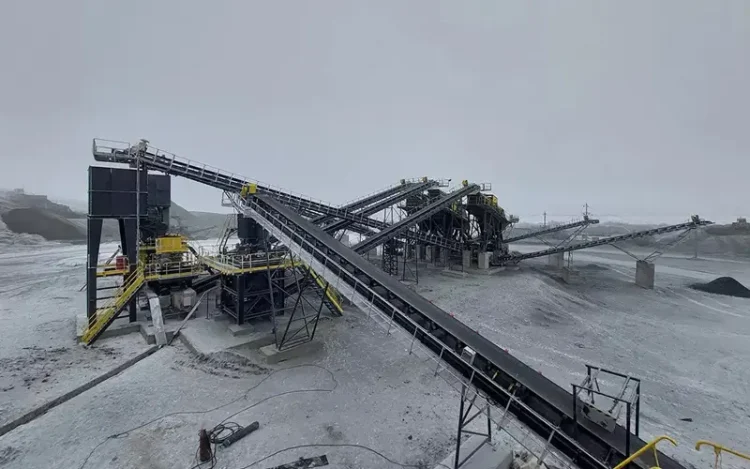
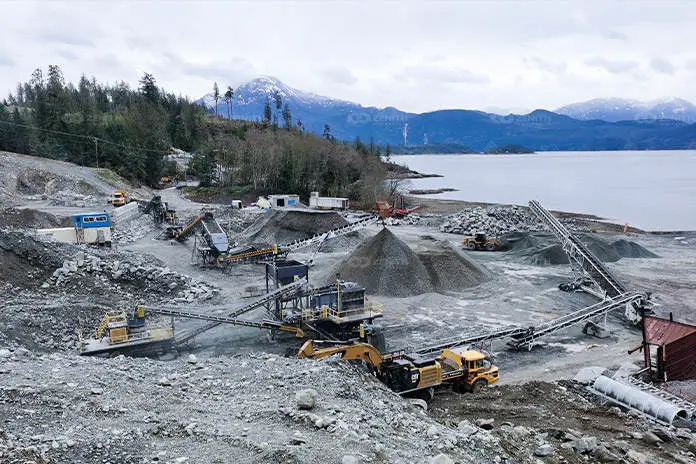
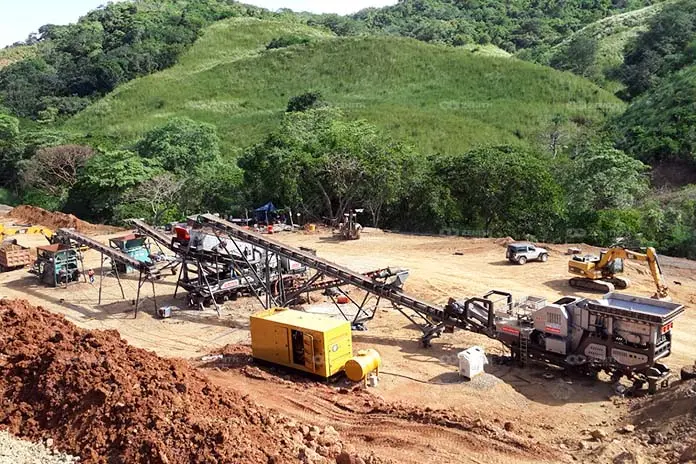
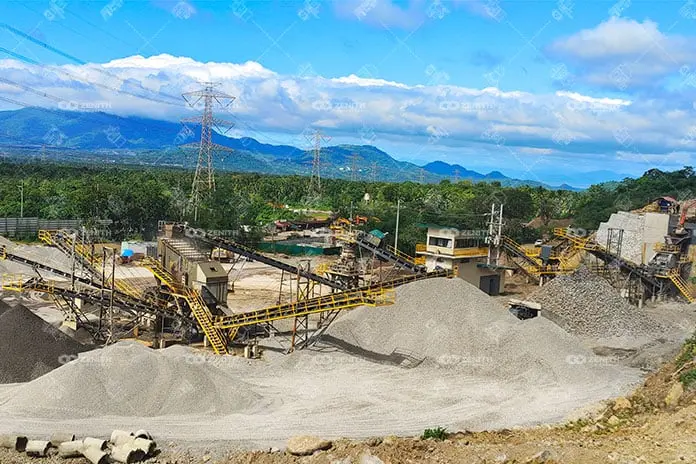
The cost of setting up a stone crusher plant depends on a range of factors, which can vary depending on location, production capacity, equipment choices, and construction requirements. Below is a detailed breakdown of the primary factors that determine the overall project costs:
1. Type and Capacity of the Plant
- Capacity: The production capacity of the plant (e.g., 50 TPH, 100 TPH, 300 TPH) greatly impacts the cost. Higher capacity plants require more expensive equipment and infrastructure.
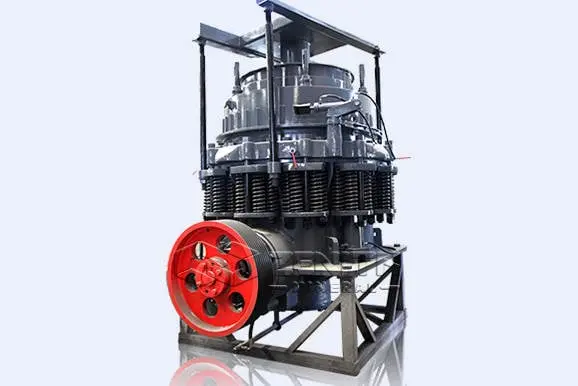
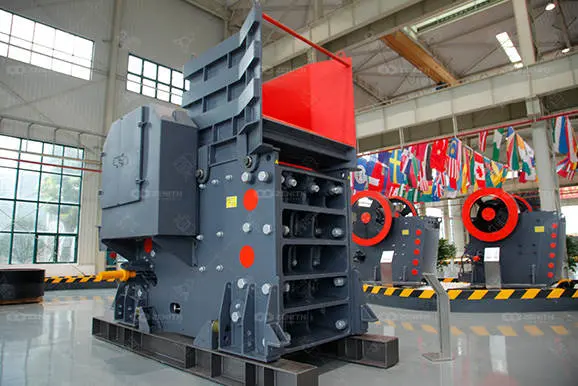
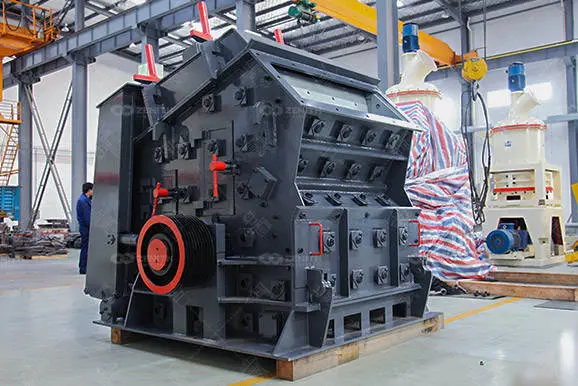
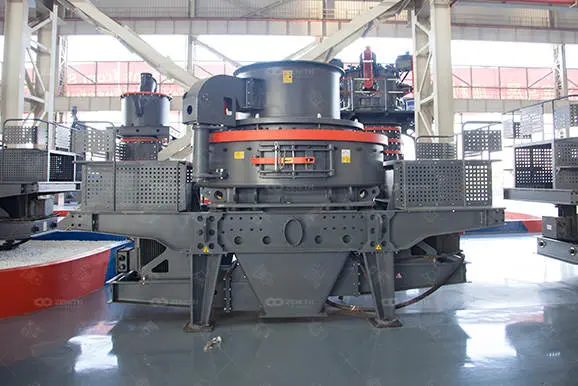
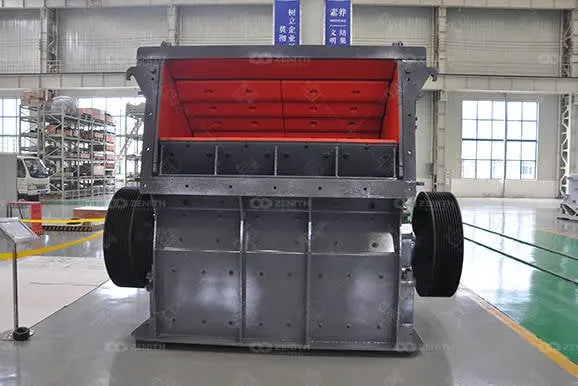
- Type of Stone Crusher: The chosen type of crusher (jaw crusher, cone crusher, impact crusher, VSI, etc.) contributes to cost differences because each crusher type has unique features and uses.
2. Raw Material and Input Costs
- Type of Stone: The hardness, abrasiveness, and size of stones being processed can affect the type of crusher required, which in turn affects costs.
- Source of Stones: Proximity to the quarry or source of raw materials affects transportation costs, which can be substantial depending on location.
- Licensing and Quarry Leasing: Leasing a quarry or purchasing raw material rights often incurs additional upfront costs.
3. Utrustningskostnader
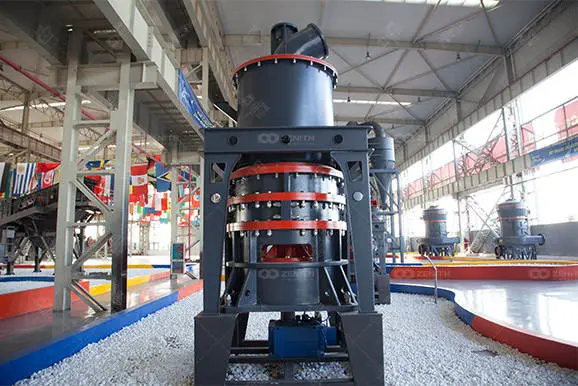
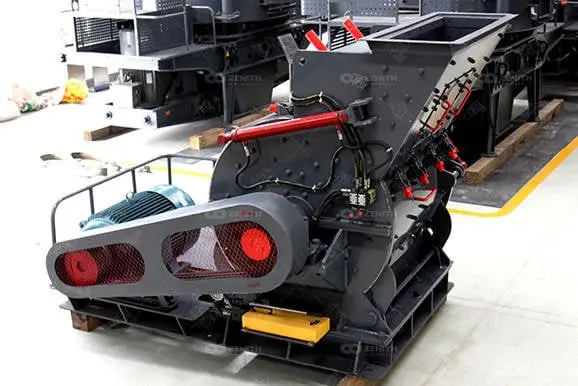
- Primär kross: Costs for jaw crushers, impact crushers, or gyratory crushers.
- Secondary and Tertiary Crushers: Costs for cone crushers or fine-crushing machines for smaller particle sizes.
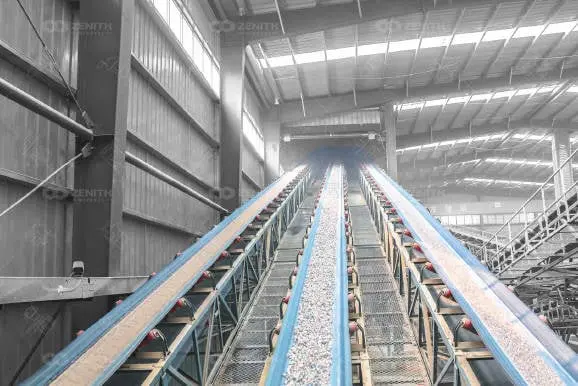
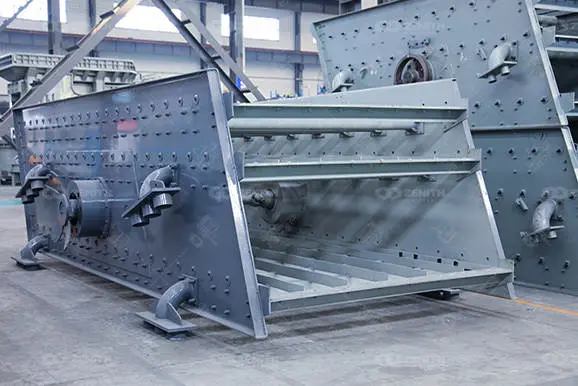
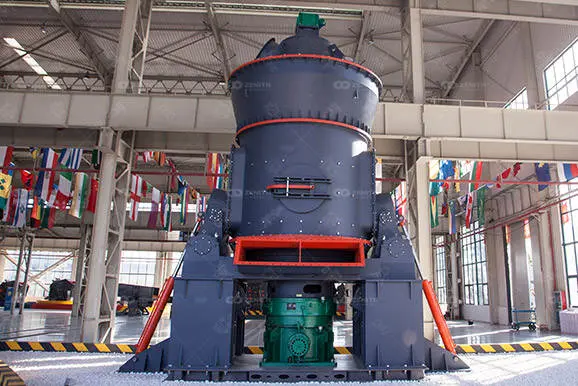
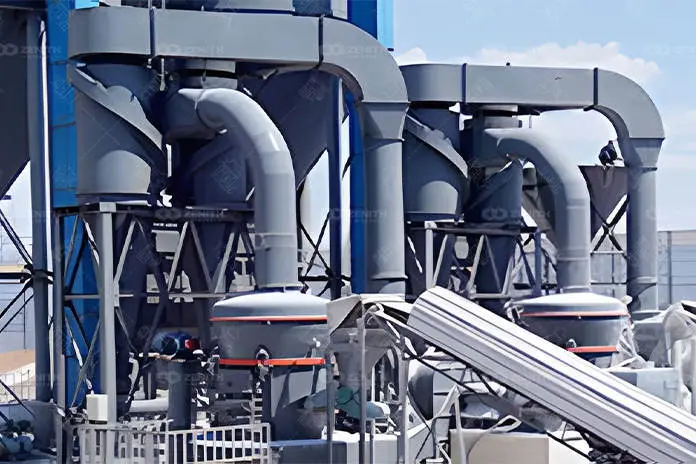
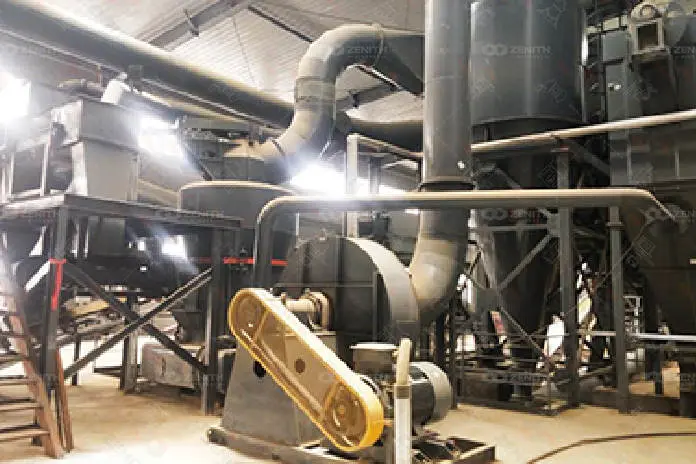
- Auxiliary Equipment: Costs for vibrating feeders, screens, conveyors, dust collectors, and storage units.
- Upgrades and Customizations: Specialized machinery required for specific needs influences the budget.
4. Land and Site Preparation Costs
- Land Investment: Purchasing or renting land for the plant can be significant, depending on the size of the project and location.
- Site Preparation: Costs such as leveling the land, building foundations, and creating access roads for the plant and quarry contribute to upfront expenses.
5. Infrastructure and Utilities
- Power Supply: Crushers require a stable power supply, either through connection to the national grid or diesel generators, which add to the budget.
- Water Supply: Necessary for dust suppression and general plant operations.
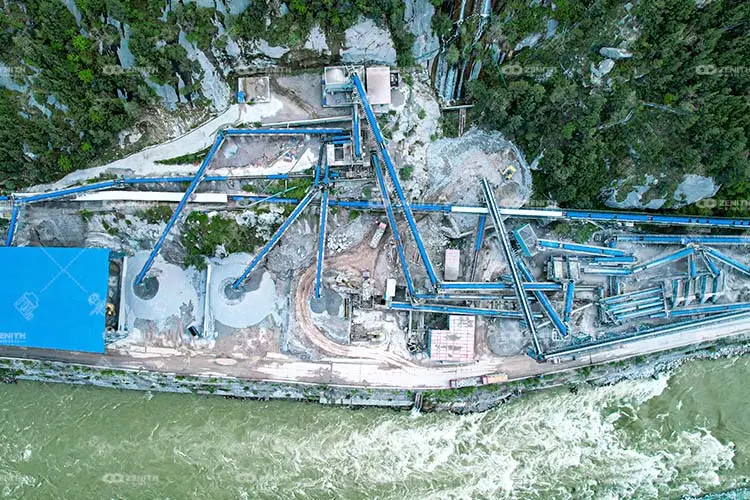
- Transport: Building transportation infrastructure, such as roads or conveyor systems, for material movement to and from the plant site.
6. Labor and Operational Costs
- Skilled Workforce: Hiring skilled labor for operating the stone crushing plant and machinery.
- Training and Oversight: Operational training and maintenance oversight for continuous operation impact the operational cost structure.
7. Environmental and Legal Compliance
- Licenser och tillstånd: Securing operating permits, production licenses, and environmental impact assessments may involve legal fees and compliance costs.
- Pollution Control: Dust suppression measures, water recycling systems, and meeting emission standards require investing in equipment and processes.
8. Maintenance and Spare Parts
- Ongoing Maintenance: Routine maintenance of crushers, screens, and conveyors adds recurring costs.
- Spare Parts: Availing spare parts and ensuring machine reliability can impact both CAPEX and OPEX.
9. Location and Logistics
- Plants located in remote or underdeveloped areas may incur higher transportation and setup costs.
- Logistic dependencies, such as access to materials and the market demand in the region, can influence costs.
10. Contingencies and Unexpected Costs
- Unforeseen delays during construction, fluctuations in raw material costs, or price increases for machinery and equipment may add to the total project budget.
- Currency exchange rates or import duties for equipment also need to be considered.
Conclusion:
A stone crusher plant project’s cost can range significantly depending on the size, type, complexity, and location of the plant as well as the production goals. Comprehensive feasibility studies, proper planning, and consultation with experts can help reduce unexpected expenses and ensure the project stays within budget.
Contact Us
Shanghai Zenith Mineral Co., Ltd. is a leading manufacturer of crushing and grinding equipment in China. With more than 30 years of experience in the mining machinery industry, Zenith has built a strong reputation for delivering high-quality crushers, mills, sand-making machines, and mineral processing equipment to customers around the world.
Headquartered in Shanghai, China, Zenith integrates research, production, sales, and service, providing complete solutions for aggregates, mining, and mineral grinding industries. Its equipment is widely used in metallurgy, construction, chemical engineering, and environmental protection.
Committed to innovation and customer satisfaction, Shanghai Zenith continues to advance in intelligent manufacturing and green production, offering reliable equipment and comprehensive after-sales service to help clients achieve efficient and sustainable operations.
website: https://www.chinagrindingmill.net
E-post:info@chinagrindingmill.net
Whatsapp:+8613661969651