Can Concrete Vats Optimize Gold Leaching Processes
Time:23 October 2025
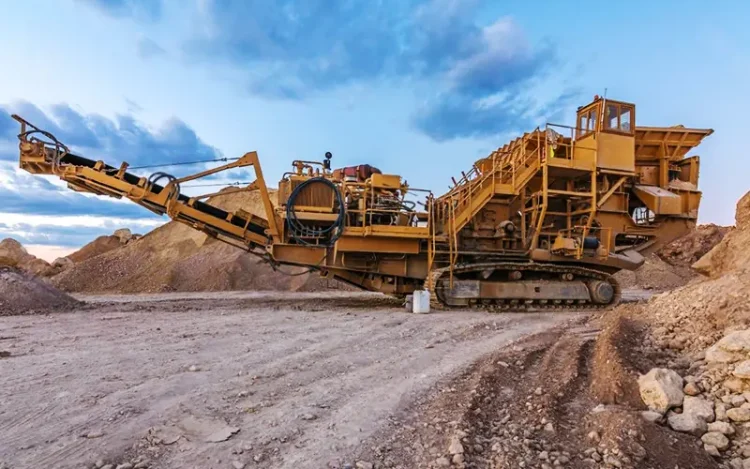
Gold leaching is a critical process in the mining industry, primarily used to extract gold from ores. The efficiency of this process significantly impacts the profitability and sustainability of mining operations. Traditionally, leaching has been conducted in large steel tanks, but recent advancements suggest that concrete vats might offer a viable alternative. This article explores the potential of concrete vats to optimize gold leaching processes.
Understanding Gold Leaching
Gold leaching involves the dissolution of gold from its ore using chemical solutions. The most common method is cyanidation, where a cyanide solution is used to dissolve gold. The process typically involves several steps:
- Crushing and Grinding: The ore is crushed and ground to liberate gold particles.
- Leaching: The ground ore is mixed with a cyanide solution in large tanks.
- Adsorption: Gold-cyanide complexes are adsorbed onto activated carbon.
- Recovery: Gold is recovered from the carbon, and the solution is recycled.
Traditional Leaching Tanks
Traditionally, gold leaching is performed in large steel tanks. These tanks are designed to withstand the corrosive nature of cyanide solutions and the abrasive action of the ore slurry. However, steel tanks have several drawbacks:
- High Initial Costs: The construction and installation of steel tanks are expensive.
- Maintenance: Steel tanks require regular maintenance to prevent corrosion.
- Environmental Concerns: Steel production has a significant environmental footprint.
Advantages of Concrete Vats
Concrete vats present a promising alternative to traditional steel tanks. Here are some potential advantages:
Cost-Effectiveness
- Lower Construction Costs: Concrete is generally less expensive than steel, reducing the initial investment.
- Durability: Concrete vats are less prone to corrosion, decreasing maintenance costs over time.
Environmental Benefits
- Sustainability: Concrete production has a lower carbon footprint compared to steel.
- Recyclability: Concrete vats can be repurposed or recycled at the end of their lifecycle.
Operational Efficiency
- Thermal Insulation: Concrete provides better thermal insulation, which can improve the efficiency of the leaching process.
- Customizability: Concrete vats can be easily customized to fit specific operational needs and site conditions.
Challenges and Considerations
While concrete vats offer several benefits, there are also challenges and considerations to address:
Chemical Resistance
- Cyanide Compatibility: Concrete must be treated or coated to resist the corrosive effects of cyanide solutions.
- Material Integrity: Ensuring the long-term integrity of concrete in a chemically aggressive environment is crucial.
Structural Design
- Load-Bearing Capacity: Concrete vats must be designed to withstand the weight and pressure of the ore slurry.
- Sealing: Proper sealing is essential to prevent leaks and ensure environmental safety.
Case Studies and Applications
Several mining operations have begun experimenting with concrete vats for gold leaching. Notable examples include:
- Project A: A mid-sized mining operation in South America successfully implemented concrete vats, resulting in a 15% reduction in operational costs.
- Project B: A large-scale operation in Africa reported improved leaching efficiency and reduced maintenance downtime after transitioning to concrete vats.
Conclusion
Concrete vats have the potential to optimize gold leaching processes by offering cost savings, environmental benefits, and operational efficiencies. However, careful consideration of chemical resistance and structural design is essential. As the mining industry continues to seek sustainable and efficient solutions, concrete vats may become an increasingly popular choice for gold leaching operations.
By leveraging the advantages of concrete vats, mining companies can enhance their processes, reduce costs, and minimize environmental impact, ultimately contributing to more sustainable mining practices.