What are some applications of bauxite
Time:12 September 2025
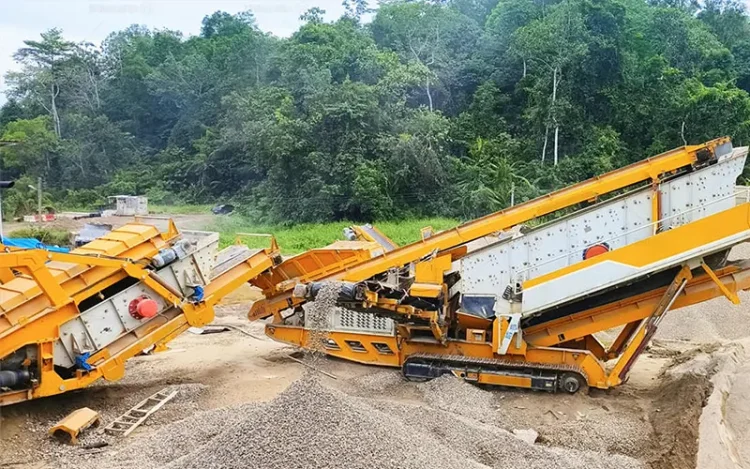
Applications of Bauxite
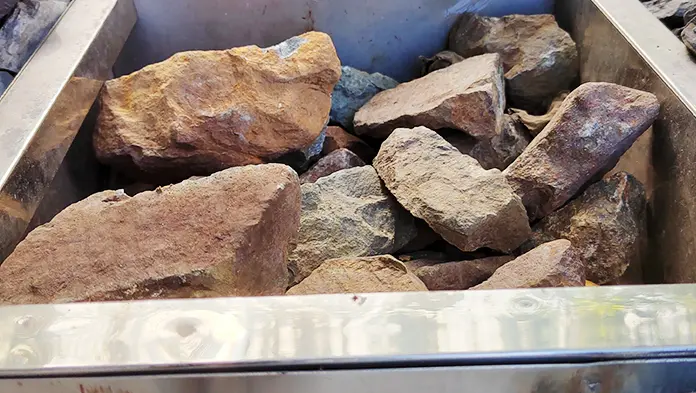
Bauxite is the primary ore of aluminum and is a significant resource in the global mining industry. Its unique properties make it a versatile material with a wide range of applications. This article explores the various uses of bauxite, highlighting its importance in different sectors.
1. Aluminum Production
The most prominent application of bauxite is in the production of aluminum. Bauxite is refined into alumina, which is then smelted to produce aluminum metal.
Process Overview
- Mining: Bauxite is extracted from open-pit mines.
- Refining: The Bayer process is used to refine bauxite into alumina.
- Smelting: Alumina is electrolyzed in the Hall-Héroult process to produce aluminum.
Uses of Aluminum
- Transportation: Lightweight and durable, aluminum is used in aircraft, automobiles, and trains.
- Construction: Aluminum is used in building materials such as windows, doors, and roofing.
- Packaging: Aluminum cans and foil are widely used for packaging food and beverages.
- Electronics: Aluminum is used in various electronic components due to its conductivity and corrosion resistance.
2. Refractory Materials
Bauxite is used in the production of refractory materials, which are essential in industries that require high-temperature processes.
Characteristics
- High Melting Point: Bauxite-based refractories can withstand extreme temperatures.
- Corrosion Resistance: They are resistant to chemical corrosion, making them ideal for use in furnaces and kilns.
Applications
- Steel Industry: Used in lining blast furnaces and steel ladles.
- Cement Industry: Used in rotary kilns and other high-temperature equipment.
- Glass Industry: Used in the production of glass melting furnaces.
3. Abrasives
Bauxite is also used as an abrasive material due to its hardness and strength.
Types of Abrasives
- Calcined Bauxite: Used in the production of grinding wheels and sandpaper.
- Fused Alumina: Used in abrasive blasting and polishing applications.
Applications
- Metalworking: Used for grinding, cutting, and polishing metals.
- Woodworking: Used for sanding and finishing wood products.
- Automotive: Used in polishing and finishing automotive parts.
4. Cement Production
Bauxite is utilized in the manufacturing of Portland cement. It acts as a source of alumina, which is a critical component in cement formulation.
Benefits
- Improved Strength: Bauxite enhances the strength and durability of cement.
- Reduced Energy Consumption: The presence of bauxite can lower the energy required for cement production.
5. Chemical Industry
Bauxite is used in the chemical industry for the production of various compounds.
Key Compounds
- Aluminum Sulfate: Used in water purification and paper manufacturing.
- Alum: Used in dyeing and as a mordant in textile production.
Applications
- Water Treatment: Bauxite-derived compounds help in coagulating impurities in water.
- Textiles: Used in dyeing processes to fix colors on fabrics.
6. Other Applications
Bauxite finds use in several other niche applications due to its unique properties.
Examples
- Proppants: Used in hydraulic fracturing for oil and gas extraction.
- Catalysts: Used in various chemical reactions as a support material.
- Pigments: Used in the production of pigments for paints and coatings.
Conclusion
Bauxite is a vital mineral with diverse applications across multiple industries. From aluminum production to refractory materials, abrasives, cement, and chemicals, its versatility makes it indispensable in modern industrial processes. Understanding the various uses of bauxite highlights its significance and the need for sustainable mining practices to ensure its availability for future generations.