info@chinagrindingmill.net
+8613661969651
english En
ئېنگلىسىز 中文 ئەدەبىيەت ھىندىچە اسبانييە French Arabic Bengali Russian Portuguese Indonesian Urdu German Japanese Swahili Turkish Italian Korean Vietnamese Tamil Punjabi Persian (Farsi) Thai Dutch Polish Ukrainian Romanian Greek Hebrew Swedish Czech Hungarian Danish Finnish Norwegian Malay Tagalog (Filipino) Gujarati Kannada Burmese Amharic Hausa Somali Yoruba Zulu Afrikaans Nepali Sinhala Khmer Lao Mongolian Javanese Telugu Marathi Malayalam Uyghur
SHANGHAI ZENITH MINERAL CO.,LTD. SHANGHAI ZENITH MINERAL CO.,LTD.
  • Home
  • About
  • Products
    Mobile CrusherStone CrusherGrinding MillsModular CrushersMining Equipment
  • Cases
  • Solutions
  • Library
  • Contact
  • Quote Now
  • Home
  • Downloads
  • What are the parts of a ball mill

What are the parts of a ball mill

Time:17 September 2025

A ball mill is a type of grinding device used in mineral processing, ceramics, paints, and pyrotechnics. It operates by rotating a cylinder filled with grinding media (such as steel or ceramic balls) and the material to be ground. Understanding the components of a ball mill is crucial for efficient operation and maintenance. This article provides a detailed overview of the main parts of a ball mill.

Main Components of a Ball Mill

A ball mill consists of several key parts, each serving a specific function in the grinding process. Below are the primary components:

1. Cylinder

The cylinder is the main body of the ball mill and is typically made of steel. It houses the grinding media and the material to be processed.

  • Material: Usually constructed from high-strength steel or alloy.
  • Function: Provides the space for grinding and facilitates rotation.

2. Grinding Media

Grinding media are the balls used to grind the material inside the cylinder.

  • Types:

– Steel balls: Commonly used for their durability and efficiency.

– Ceramic balls: Used when contamination from steel is a concern.

  • Function: Impact and grind the material to achieve the desired particle size.

3. End Caps

End caps are located at both ends of the cylinder and serve as closures.

  • Material: Typically made from cast iron or steel.
  • Function: Seal the cylinder and support the rotation mechanism.

4. Trunnions

Trunnions are cylindrical protrusions at the ends of the cylinder that support rotation.

  • Material: Usually made from durable steel.
  • Function: Allow the cylinder to rotate smoothly and support the weight of the mill.

5. Bearing System

The bearing system supports the trunnions and facilitates smooth rotation.

  • Types:

– Plain bearings: Simple design, suitable for smaller mills.

– Roller bearings: Used for larger mills requiring higher load capacity.

  • Function: Reduce friction and support rotational movement.

6. Drive Mechanism

The drive mechanism powers the rotation of the cylinder.

  • Components:

– Motor: Provides the necessary power.

– Gearbox: Adjusts the speed and torque.

– Couplings: Connects the motor to the gearbox.

  • Function: Converts electrical energy into mechanical energy to rotate the mill.

7. Discharge System

The discharge system allows the processed material to exit the mill.

  • Types:

– Overflow discharge: Material exits over the edge of the cylinder.

– Grate discharge: Material passes through a perforated grate.

  • Function: Facilitates the removal of ground material.

Auxiliary Components

In addition to the main parts, a ball mill may include auxiliary components that enhance its functionality.

1. Feed System

The feed system introduces material into the mill.

  • Components:

– Hopper: Stores the material before processing.

– Feeder: Controls the flow of material into the mill.

  • Function: Ensures consistent and controlled input of material.

2. Control System

The control system manages the operation of the ball mill.

  • Components:

– Sensors: Monitor parameters like speed and temperature.

– Controllers: Adjust operational settings based on sensor input.

  • Function: Optimize performance and prevent damage.

3. Cooling System

The cooling system prevents overheating during operation.

  • Components:

– Fans: Circulate air to dissipate heat.

– Water jackets: Use water to cool the cylinder.

  • Function: Maintain safe operating temperatures.

Conclusion

Understanding the parts of a ball mill is essential for efficient operation and maintenance. Each component plays a vital role in the grinding process, from the cylinder and grinding media to the drive and discharge systems. Proper knowledge of these parts can lead to improved performance and longevity of the equipment.


  • Previous: what are advantage of grinding machines
  • Next: what are the raw material for cement production

Main Products

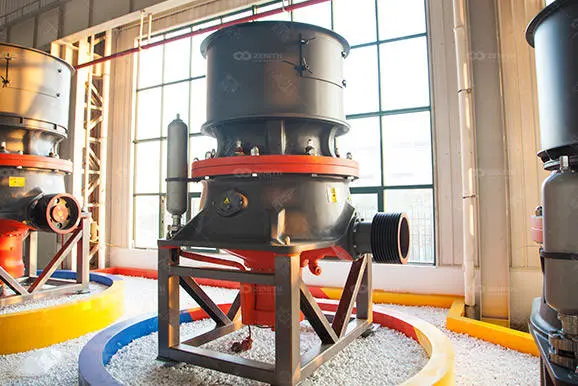
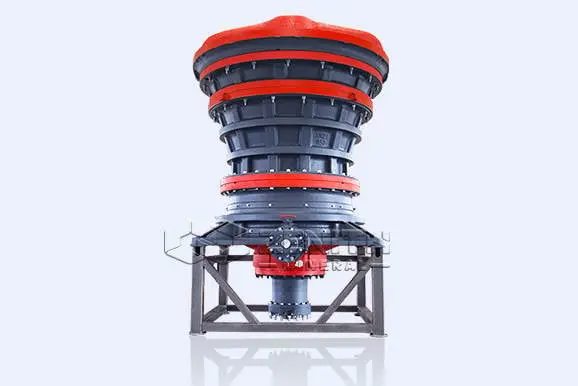
HST Hydraulic Cone Crusher

HST Hydraulic Cone Crusher

HST Single-cylinder Hydraulic Cone Crusher is one kind of professional hard rock crushers, which is often used as a secondary...

Learn More
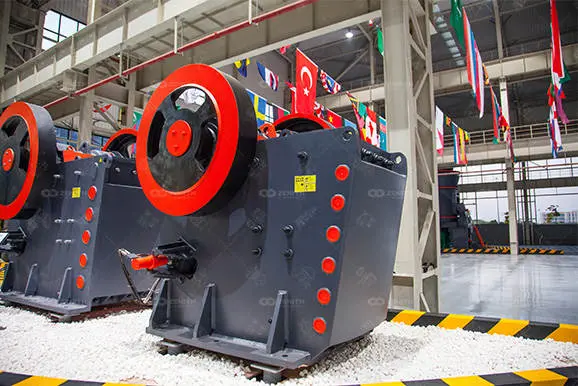
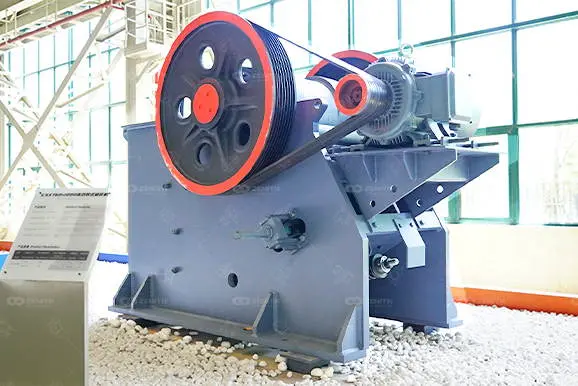
PEW Jaw Crusher

PEW Jaw Crusher

PEW Jaw Crusher is developed based on PE jaw crusher, but it’s easier to operate and it has higher capacity.

Learn More
S Spring Cone Crusher

S Spring Cone Crusher

Based on the lamination crushing principle and concept of crushing more and grinding less, S Spring Cone Crusher was released.

Learn More
B Series VSI Impact Crusher

B Series VSI Impact Crusher

B Series VSI Impact Crusher is, commonly known as sand making machine, the basis for the development of B Deep-rotor...

Learn More
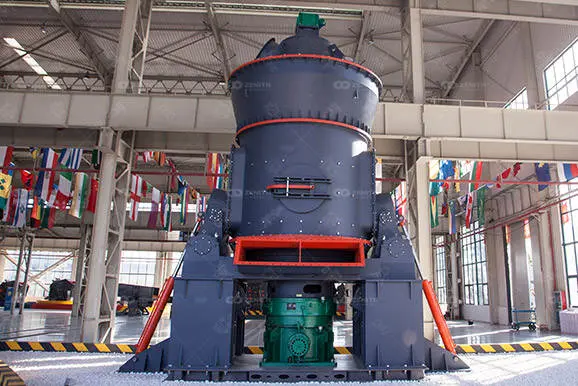
LM Vertical Grinding Mill

LM Vertical Grinding Mill

LM Vertical Grinding Mill integrates five functions of crushing, grinding, powder selection, drying and material conveying.

Learn More
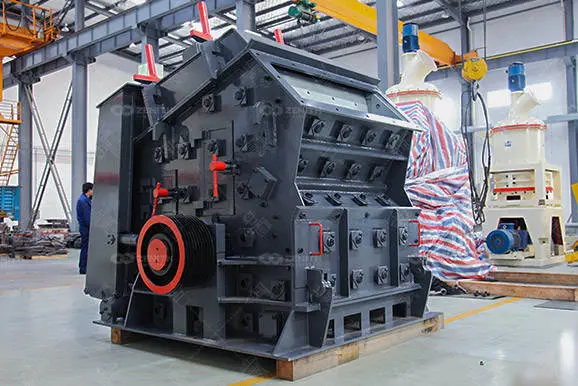
PF Impact Crusher

PF Impact Crusher

PF Impact Crusher makes use of impact energy to crush materials. It’s used as a secondary crusher in stone crushing...

Learn More
HGT Gyratory Crusher

HGT Gyratory Crusher

HGT Gyratory Crusher was developed to cater for market demands for large crushing equipment. It’s absolutely an ideal choice for...

Learn More
C5X Jaw Crusher

C5X Jaw Crusher

The C5X Jaw Crusher features a well-designed crushing chamber and outstanding motion characteristics, boasting a larger stroke and higher speed...

Learn More
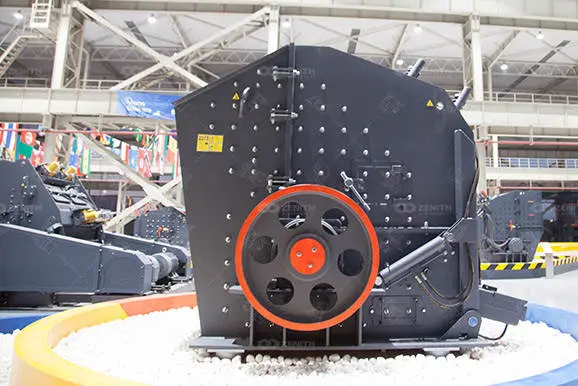
PFW Impact Crusher

PFW Impact Crusher

PFW Impact Crusher is usually used with jaw crushers together. In a stone crushing plant, it often appears in the...

Learn More
HGM Series High Pressure Grinding Roller

HGM Series High Pressure Grinding Roller

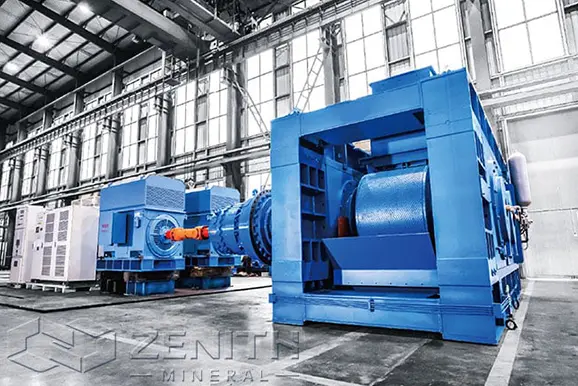
The HPGR significantly enhances the capacity of the crushing system while reducing the consumption of electric power and steel balls...

Learn More

Solutions

We have more than 5000 cases around the world and provide a full range of solutions.
LIMESTONE CRUSHING PLANTS DESIGN

LIMESTONE CRUSHING PLANTS DESIGN

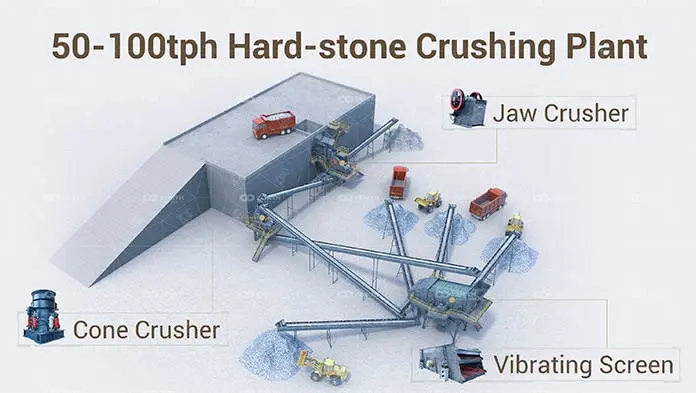
50-100t/h Hard Rock Crushing Plant

50-100t/h Hard Rock Crushing Plant

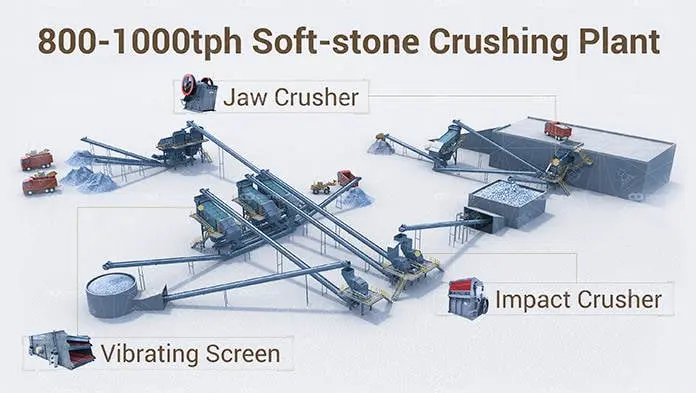
800-1000t/h Soft Rock Crushing Plant

800-1000t/h Soft Rock Crushing Plant

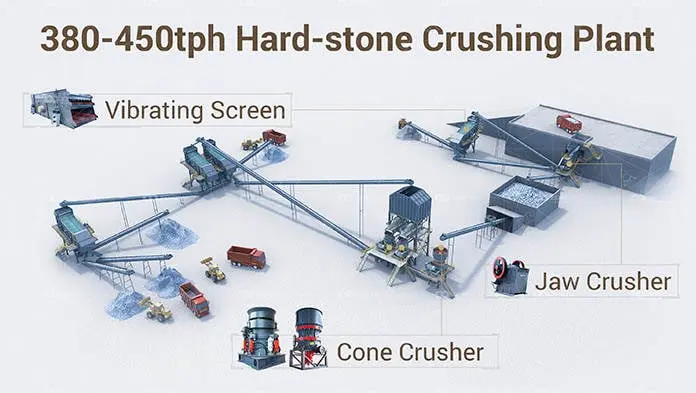
380-450t/h Hard Rock Crushing Plant

380-450t/h Hard Rock Crushing Plant

250-300t/h Hard Rock Crushing Plant

250-300t/h Hard Rock Crushing Plant

200t/h Soft Rock Portable Crushing Plant

200t/h Soft Rock Portable Crushing Plant

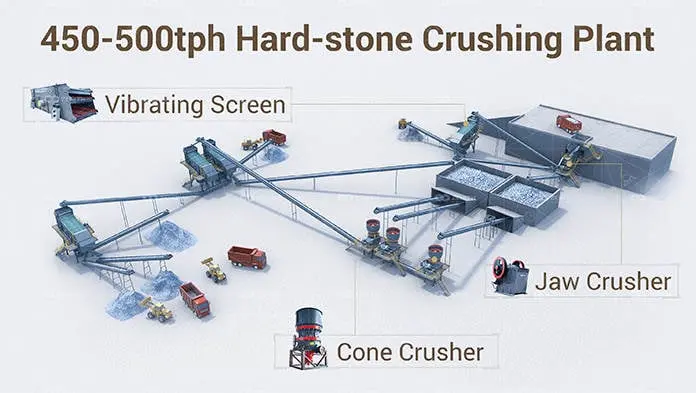
450-500t/h Hard Rock Crushing Plant

450-500t/h Hard Rock Crushing Plant

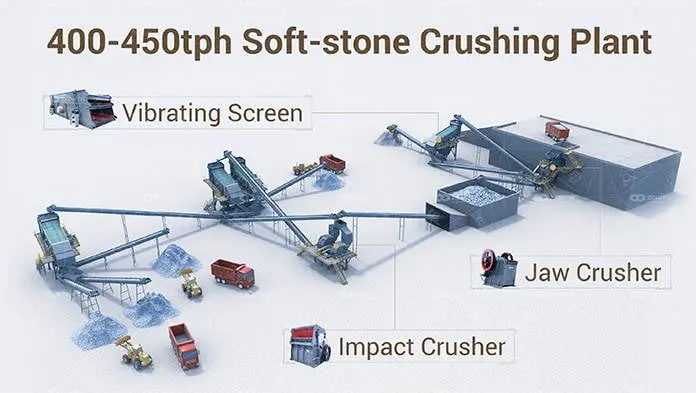
400-450t/h Soft Rock Crushing Plant

400-450t/h Soft Rock Crushing Plant

SHANGHAI ZENITH MINERAL CO.,LTD.

Certification

  • CE
  • SGS
  • ISO
  • GOST

Contact information

  • Whatsapp: +8613661969651
  • Email: info@chinagrindingmill.net
  • Website: www.chinagrindingmill.net
  • Address: No. 1688, East Gaoke Road, Shanghai, China

Our Solutions

50-100t/h Soft Rock Crushing Plant
50-100t/h Hard Rock Crushing Plant
100-150t/h Soft Rock Crushing Plant
100-150t/h Hard Rock Crushing Plant
150-200t/h Soft Rock Crushing Plant
150-180t/h Hard Rock Crushing Plant

Cases

Ghana 100-120TPH Granite Portable Crushing Plant
Dubai 550t/h Limestone Crushing Plant
Philippines 80TPH River Pebble Crushing Plant
Turkey Copper Ore Crushing Plant

Resources

Librarys
FAQs
Downloads

About Us

Copyright © 2025 SHANGHAI ZENITH MINERAL CO.,LTD. All Rights Reserved.