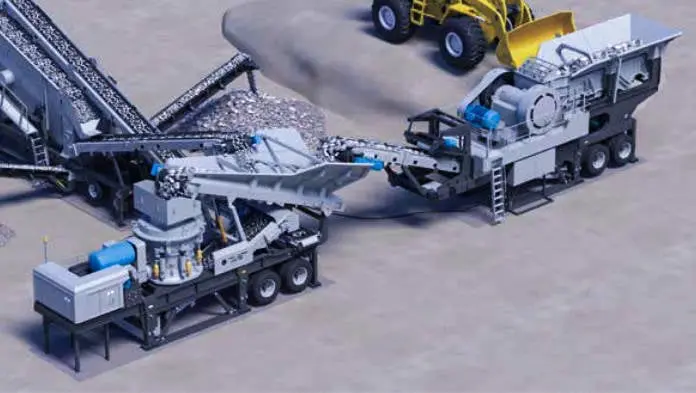
What happens to the crusher when the manganese liner starts to wear out
Time:17 September 2025

Manganese liners are critical components in crushers, providing protection and enhancing the durability of the equipment. Over time, these liners wear out due to the abrasive nature of the materials being processed. Understanding the implications of worn manganese liners is crucial for maintaining crusher efficiency and preventing costly downtime.
Understanding Manganese Liners
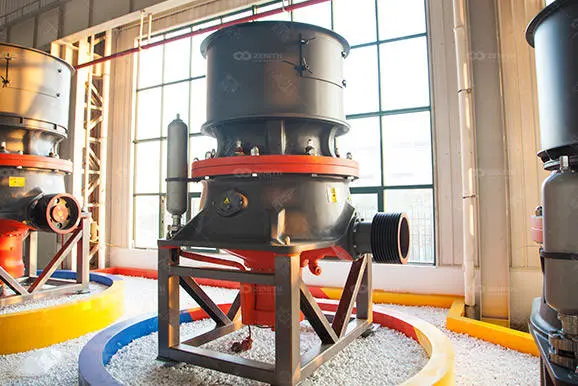
Manganese liners are made from high manganese steel, which is known for its toughness and ability to withstand impact and abrasion. These liners are used in various types of crushers, including jaw crushers, cone crushers, and gyratory crushers.
Functions of Manganese Liners
- Protection: They protect the crusher from direct impact and abrasion.
- Durability: Enhance the lifespan of the crusher by absorbing shock and reducing wear.
- Efficiency: Maintain optimal crushing performance by ensuring consistent material flow.
Effects of Worn Manganese Liners
As manganese liners wear out, several issues can arise, affecting the crusher’s performance and operational efficiency.
Reduced Crushing Efficiency
- Inconsistent Material Flow: Worn liners can lead to uneven material distribution, resulting in inconsistent crushing.
- Increased Slippage: The worn surface may cause materials to slip, reducing the crusher’s ability to process materials effectively.
Increased Wear and Tear
- Higher Stress on Crusher Components: Worn liners lead to increased stress on other parts of the crusher, accelerating wear and tear.
- Potential for Damage: The risk of damage to the crusher increases as liners wear out, potentially leading to costly repairs.
Safety Concerns
- Risk of Blockages: Worn liners can cause blockages, leading to operational hazards.
- Increased Maintenance Requirements: Frequent inspections and maintenance are required to ensure safety and prevent accidents.
Signs of Worn Manganese Liners
Identifying worn liners early can prevent significant issues. Here are some signs to watch for:
- Visible Wear Patterns: Check for grooves, pits, or uneven surfaces on the liners.
- Reduced Crusher Output: A noticeable decrease in production capacity may indicate worn liners.
- Unusual Noises: Grinding or knocking sounds can be a sign of liner wear.
Managing Worn Manganese Liners
Proper management of worn liners involves regular monitoring and timely replacement to maintain crusher efficiency.
Monitoring Techniques
- Visual Inspections: Regularly inspect liners for visible signs of wear.
- Performance Tracking: Monitor crusher output and efficiency to detect changes in performance.
Replacement Strategies
- Scheduled Maintenance: Implement a routine maintenance schedule for liner inspections and replacements.
- Use of Wear Indicators: Consider using wear indicators to track liner wear and plan replacements proactively.
Benefits of Timely Replacement
- Enhanced Crusher Performance: Restores optimal crushing efficiency and material flow.
- Reduced Downtime: Minimizes the risk of unexpected breakdowns and operational interruptions.
- Cost Savings: Prevents extensive damage and reduces repair costs.
Conclusion
Worn manganese liners can significantly impact crusher performance, leading to reduced efficiency, increased wear on other components, and potential safety hazards. Regular monitoring and timely replacement of these liners are essential to maintain optimal crusher operation and prevent costly downtime. By understanding the effects of worn liners and implementing effective management strategies, operators can ensure the longevity and reliability of their crushing equipment.