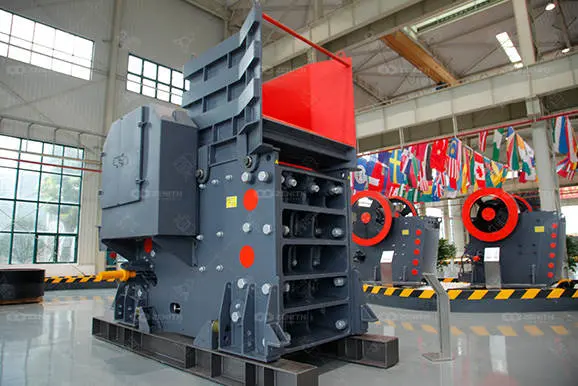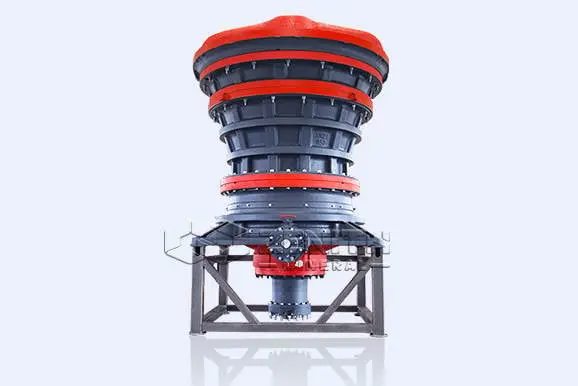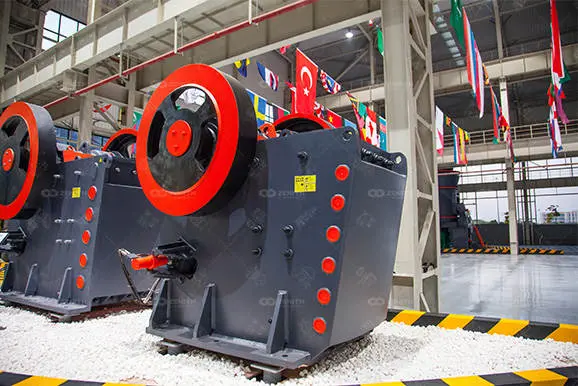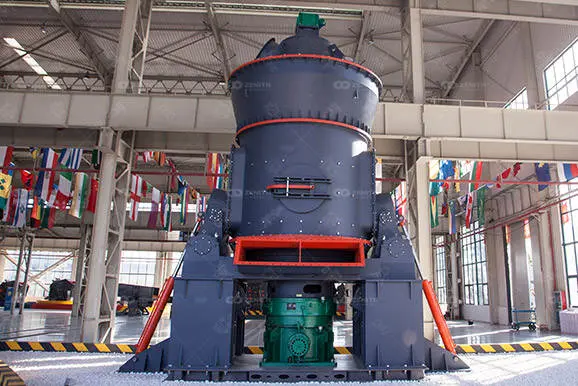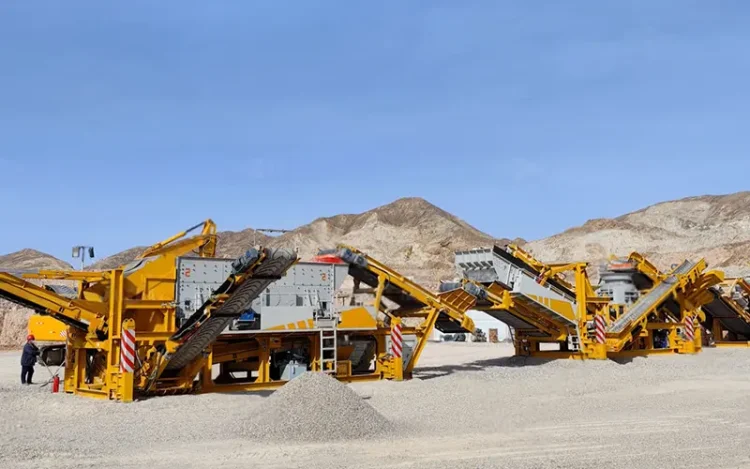
A hammer mill is a versatile and essential piece of equipment in various industries, including agriculture, pharmaceuticals, and food processing. It is primarily used for grinding, pulverizing, and crushing materials into smaller particles. This article provides a comprehensive overview of how a hammer mill works, its components, and its applications.
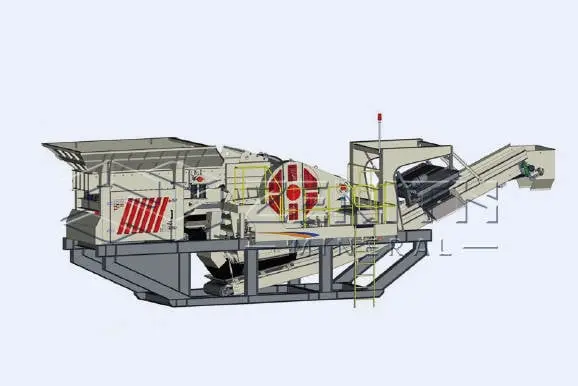
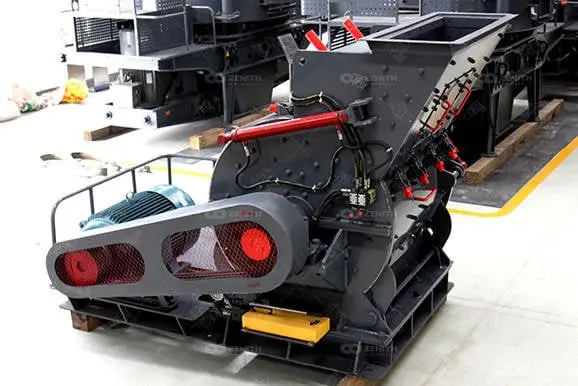
A hammer mill operates on the principle of impact. It consists of a series of hammers attached to a rotating shaft. As the shaft spins, the hammers swing out radially, impacting the material fed into the mill. The material is shattered into smaller pieces, which are then expelled through a screen that determines the size of the final product.
– The feeding mechanism introduces the material into the mill.
– It can be manual or automatic, depending on the design.
– The shaft is the central component to which the hammers are attached.
– It rotates at high speed, enabling the hammers to impact the material.
– Design: Hammers can be fixed or swinging, depending on the application.
– Material: Made from durable materials to withstand the impact and wear.
– The screen determines the size of the particles that are expelled.
– Screens can be changed to produce different particle sizes.
– Provides the power needed to rotate the shaft and hammers.
– The motor’s capacity determines the mill’s efficiency and throughput.
Hammer mills come in various designs and configurations, each suited for specific applications. Below are some common types:
Hammer mills are used in a variety of industries due to their versatility and efficiency. Some common applications include:
Hammer mills offer several benefits, making them a popular choice in various industries:
Hammer mills are a critical component in many industrial processes, providing efficient and reliable size reduction. Understanding their operation, components, and applications can help optimize their use in various settings. Whether in agriculture, pharmaceuticals, or food processing, hammer mills continue to play a vital role in enhancing productivity and product quality.