What is a sand sieving machine
Time:18 September 2025
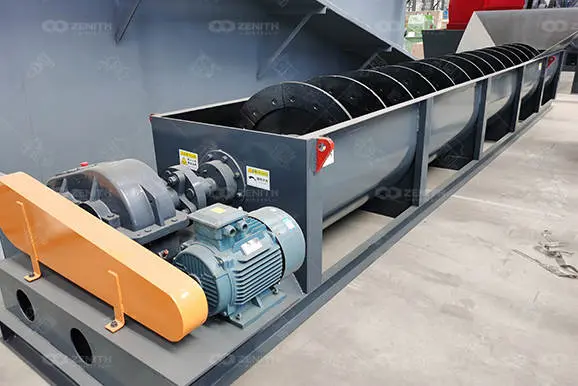
A sand sieving machine is a device used to separate sand particles based on size. It is commonly used in construction, mining, and various industrial applications to ensure the quality and consistency of sand used in different processes.
Purpose of Sand Sieving Machines
Sand sieving machines are essential for:
- Quality Control: Ensuring the sand used in construction and manufacturing is of uniform size and free from impurities.
- Efficiency: Speeding up the process of separating sand particles, which would be labor-intensive if done manually.
- Versatility: Applicable in various industries, including construction, mining, and agriculture.
Types of Sand Sieving Machines
Sand sieving machines can be categorized into several types based on their design and functionality:
1. Manual Sand Sieving Machines
These are simple devices operated manually. They consist of a mesh screen and a frame. The sand is poured onto the screen, and the user shakes the frame to allow smaller particles to pass through.
2. Vibratory Sand Sieving Machines
These machines use vibration to facilitate the separation of sand particles. They are more efficient than manual sieving machines and are commonly used in industrial applications.
3. Rotary Sand Sieving Machines
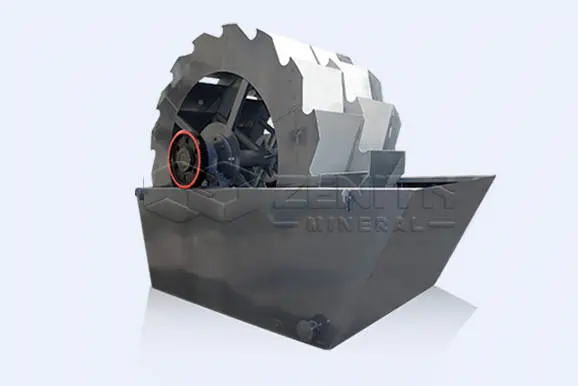
Rotary sand sieving machines use a rotating drum with a mesh screen. As the drum rotates, sand particles are separated based on size. This type is particularly effective for large-scale operations.
Components of a Sand Sieving Machine
A typical sand sieving machine consists of several key components:
- Mesh Screen: The mesh screen is the critical component that determines the size of particles that will pass through.
- Frame: Provides structural support and holds the mesh screen in place.
- Motor: In powered machines, the motor generates the necessary motion for sieving.
- Vibration Mechanism: In vibratory machines, this component creates vibrations to facilitate particle separation.
Working Principle
The operation of a sand sieving machine involves:
- Loading: Sand is loaded onto the mesh screen.
- Sieving: Depending on the type of machine, either manual shaking, vibration, or rotation is used to separate particles.
- Collection: Smaller particles pass through the mesh and are collected, while larger particles remain on top.
Advantages of Sand Sieving Machines
Sand sieving machines offer several benefits:
- Efficiency: They can process large quantities of sand quickly.
- Consistency: Provide uniform particle size, improving the quality of the end product.
- Reduced Labor: Minimize the need for manual labor, reducing costs and time.
Applications
Sand sieving machines are utilized in various sectors:
- Construction: Ensuring the quality of sand used in concrete and mortar.
- Mining: Separating valuable minerals from sand.
- Agriculture: Preparing soil for planting by removing debris and larger particles.
Maintenance and Safety
To ensure optimal performance and longevity, regular maintenance is crucial:
- Regular Cleaning: Remove sand particles from screens and frames to prevent clogging.
- Inspection: Check for wear and tear, especially in the mesh screen and motor.
- Safety Precautions: Operators should wear protective gear and follow safety protocols to prevent accidents.
Conclusion
Sand sieving machines are indispensable tools in various industries, offering efficiency, consistency, and reduced labor costs. Understanding their types, components, and applications can help in selecting the right machine for specific needs, ensuring optimal performance and productivity.