What is a stone crusher
Time:12 September 2025
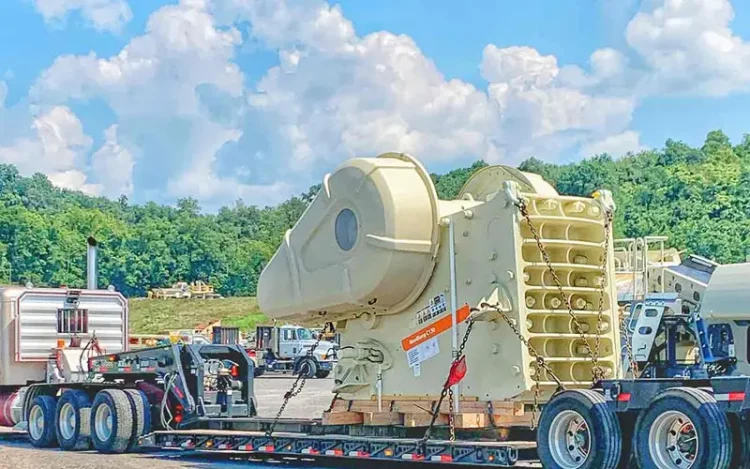
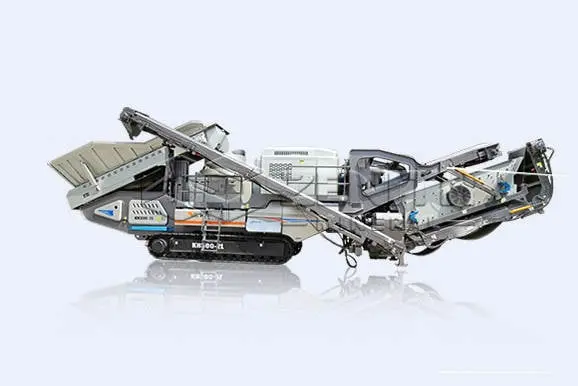
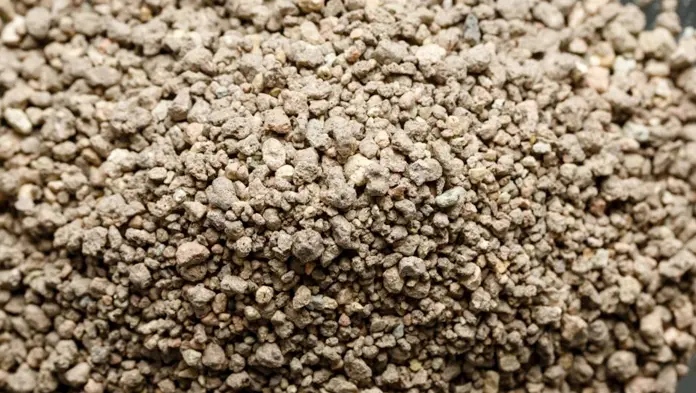
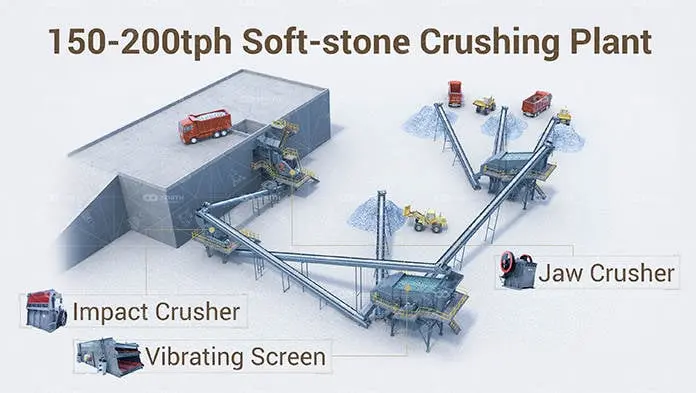
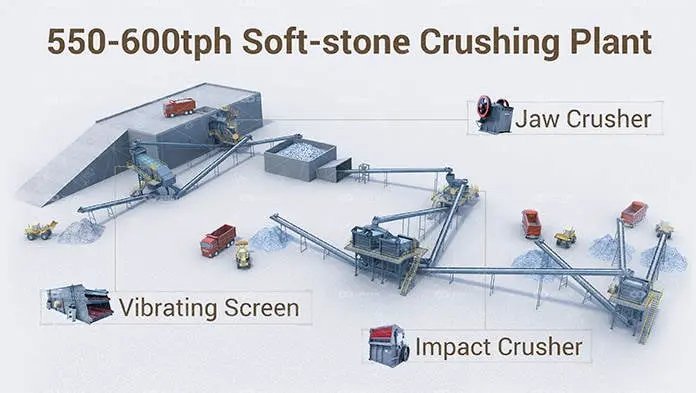
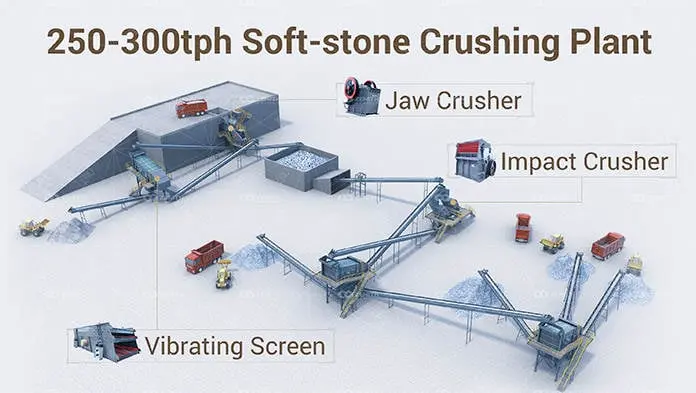
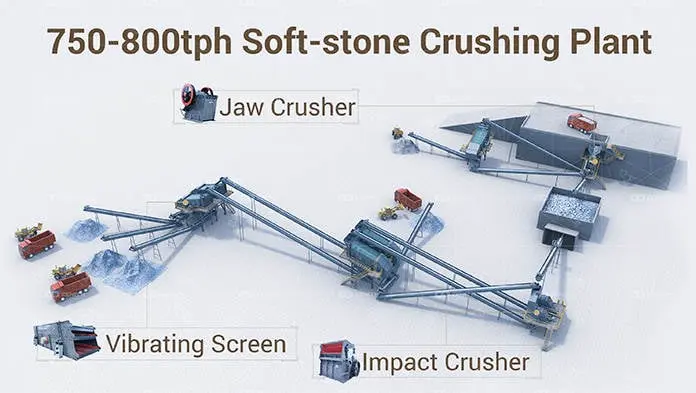
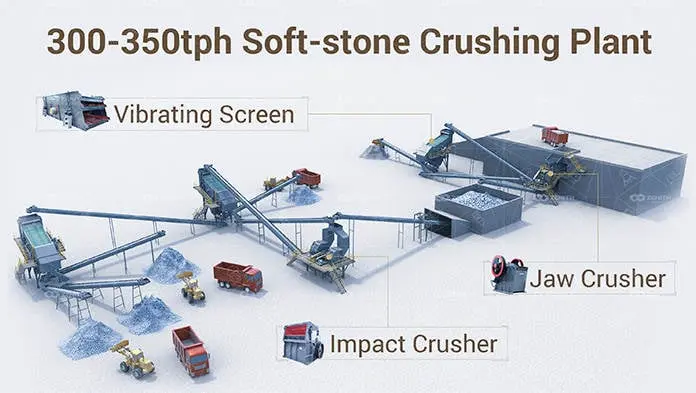
A stone crusher is a machine designed to reduce large rocks into smaller rocks, gravel, sand, or rock dust. Crushers may be used to reduce the size, or change the form, of waste materials so they can be more easily disposed of or recycled, or to reduce the size of a solid mix of raw materials (as in rock ore), so that pieces of different composition can be differentiated.
Types of Stone Crushers
Stone crushers are classified into several categories based on their working mechanism and the size of the material they can process. Here are the primary types:
1. Jaw Crusher
- Functionality: Utilizes compressive force to break down materials.
- Design: Consists of two jaws, one fixed and the other moving.
- Applications: Ideal for primary crushing of large stones.
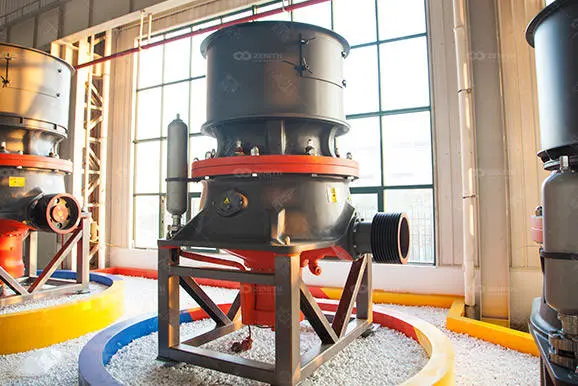
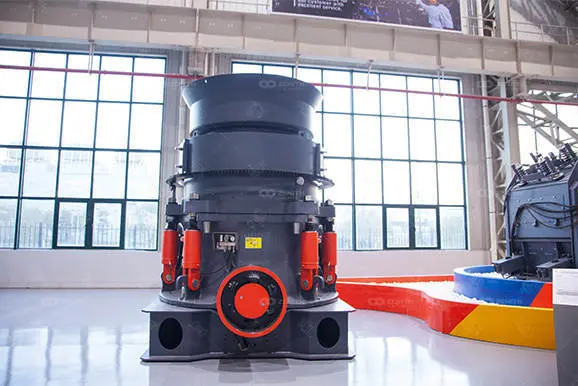
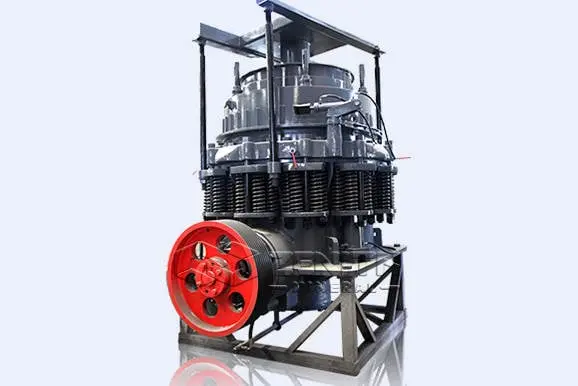
2. Cone Crusher
- Functionality: Crushes materials by squeezing them between a gyrating spindle and a concave hopper.
- Design: Features a rotating piece known as the mantle.
- Applications: Suitable for secondary and tertiary crushing stages.
3. Impact Crusher
- Functionality: Uses impact force to crush materials.
- Design: Equipped with hammers or blow bars attached to a rotor.
- Applications: Effective for producing finer particles.
4. Gyratory Crusher
- Functionality: Similar to a jaw crusher but with a circular gap.
- Design: Features a conical head and concave surface.
- Applications: Used for primary or secondary crushing.
5. Hammer Crusher
- Functionality: Employs high-speed rotary hammers to crush materials.
- Design: Includes a rotor with hammers and a grate.
- Applications: Suitable for medium-hard and brittle materials.
Components of a Stone Crusher
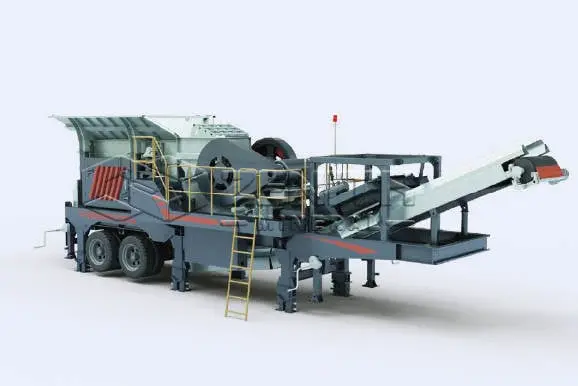
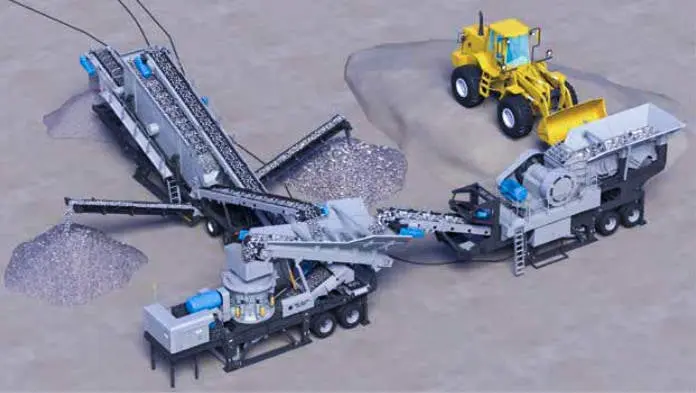
A stone crusher comprises several key components that work together to achieve the desired crushing effect:
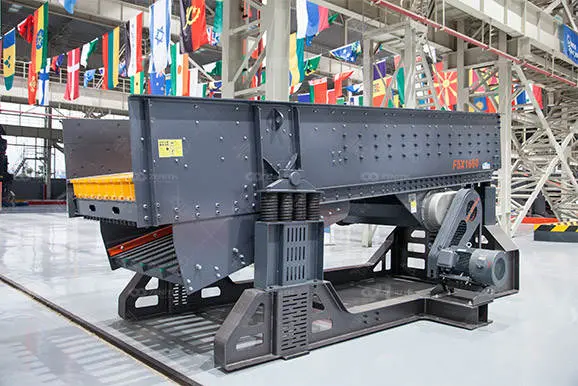
- Feed Hopper: Where raw materials are loaded.
- Crushing Chamber: The area where the actual crushing takes place.
- Conveyor Belt: Transports crushed material to the next stage.
- Drive Mechanism: Powers the crusher, often using electric motors.
- Discharge Opening: Allows crushed material to exit the crusher.
Working Principle
The working principle of a stone crusher depends on the type of crusher being used. However, the general process involves:
- Feeding: Raw materials are fed into the crusher.
- Crushing: The crusher applies mechanical pressure to break down the materials.
- Discharging: Crushed materials are discharged through the discharge opening.
Applications of Stone Crushers
Stone crushers are widely used in various industries due to their versatility and efficiency. Some common applications include:
- Construction: Producing aggregates for building roads, bridges, and infrastructure.
- Mining: Extracting valuable minerals from ore.
- Recycling: Crushing concrete and asphalt for reuse.
- Agriculture: Preparing soil by crushing rocks.
Advantages of Using Stone Crushers
Stone crushers offer several benefits, making them essential in various industrial applications:
- Versatility: Suitable for a wide range of materials and applications.
- Efficiency: Capable of processing large volumes of material quickly.
- Cost-Effectiveness: Reduces the need for manual labor and speeds up production.
- Customization: Available in different sizes and configurations to meet specific needs.
Maintenance and Safety
Proper maintenance and safety practices are crucial for the efficient operation of stone crushers:
- Regular Inspection: Check for wear and tear on components.
- Lubrication: Ensure moving parts are well-lubricated to prevent friction.
- Safety Protocols: Implement safety measures to protect operators, such as wearing protective gear and following operational guidelines.
Conclusion
Stone crushers play a vital role in various industries by transforming raw materials into usable products. Understanding the different types, components, and applications of stone crushers can help businesses choose the right equipment for their needs, ensuring efficient and cost-effective operations.