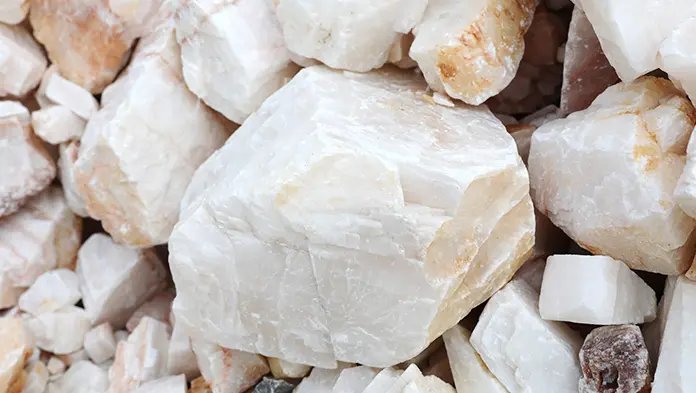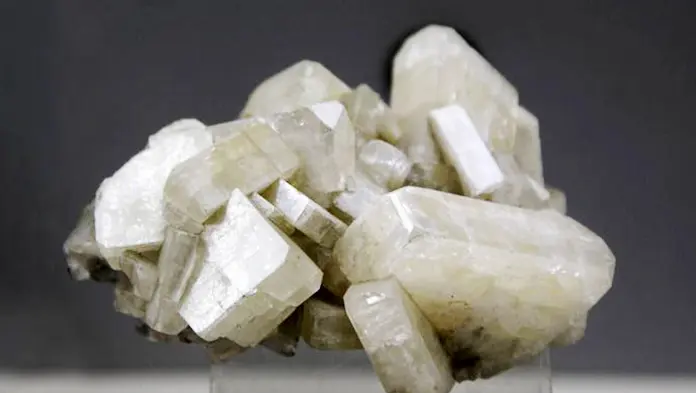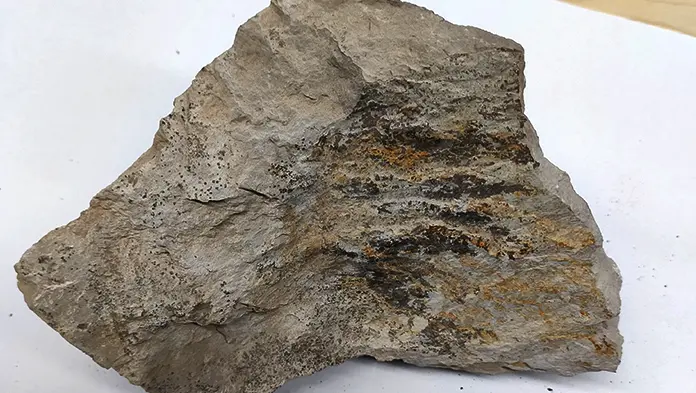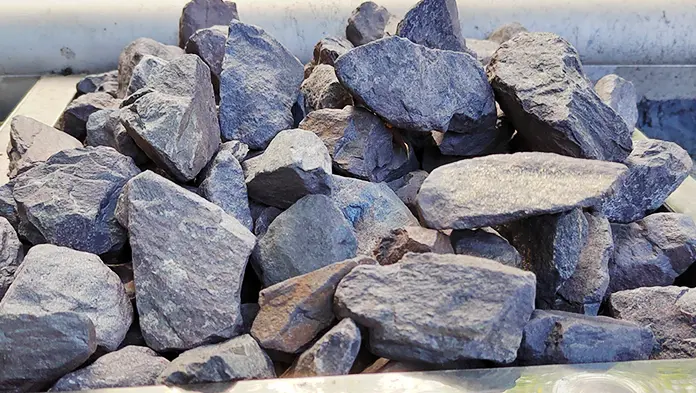
Bauxite is the primary ore of aluminum and is a crucial component in the production of various aluminum products. This article explores what bauxite is used to make and details the extraction process of aluminum from bauxite.
Bauxite is primarily used to produce aluminum, which is a versatile metal utilized in various industries. Here are some of the key products and applications derived from bauxite:
– Construction: Used in building materials, such as window frames, roofing, and siding.
– Transportation: Essential for manufacturing vehicles, aircraft, and ships due to its lightweight and corrosion-resistant properties.
– Packaging: Utilized in the production of cans, foil, and other packaging materials.
– Consumer Goods: Found in electronics, appliances, and cookware.
– Refractories: Used in high-temperature applications, such as furnaces and kilns.
– Ceramics: Essential for producing ceramic products, including tiles and sanitary ware.
– Chemical Industry: Used in water treatment and as a catalyst in various chemical processes.
– Abrasives: Bauxite is used in the production of abrasives for grinding and polishing.
– Cement: Acts as a component in the manufacture of certain types of cement.
The extraction of aluminum from bauxite involves several steps, each crucial to obtaining pure aluminum. The process is primarily divided into two main stages: the Bayer Process and the Hall-Héroult Process.
The Bayer Process is the principal method for refining bauxite to produce alumina (aluminum oxide), which is then used to produce aluminum metal. The steps involved are:
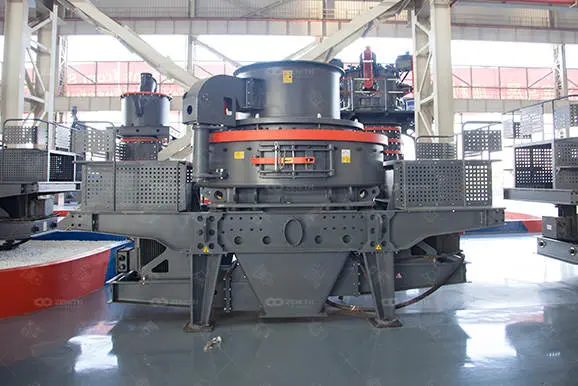
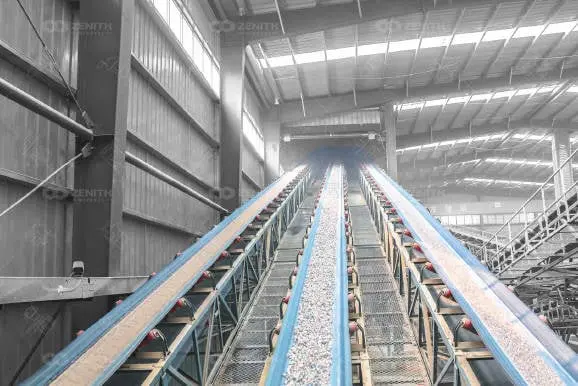
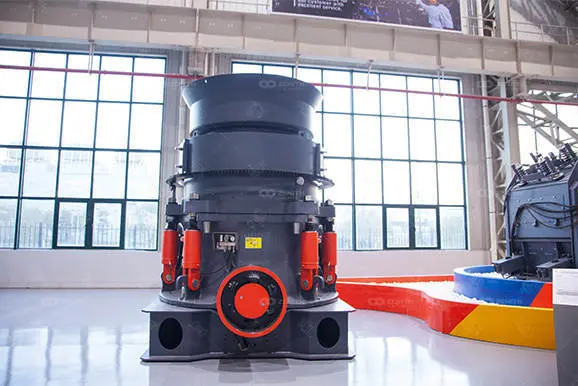
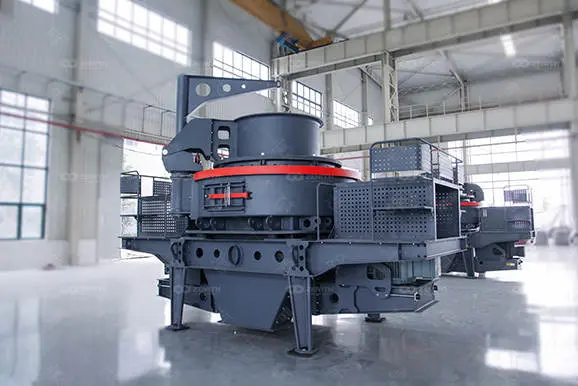
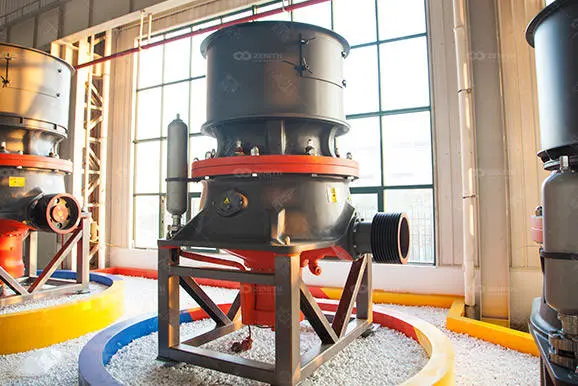
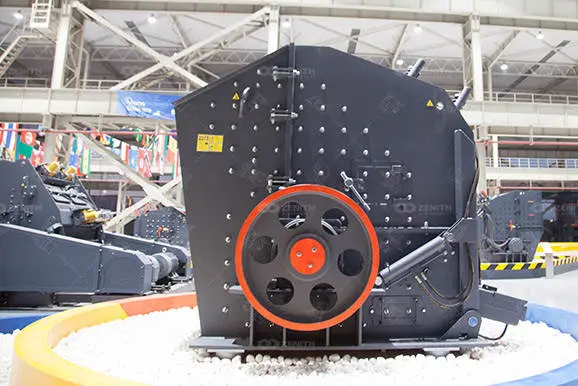
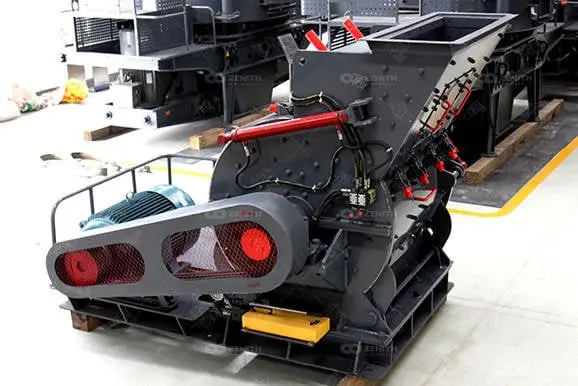
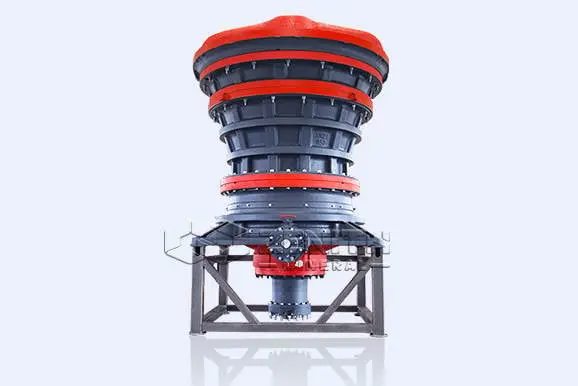
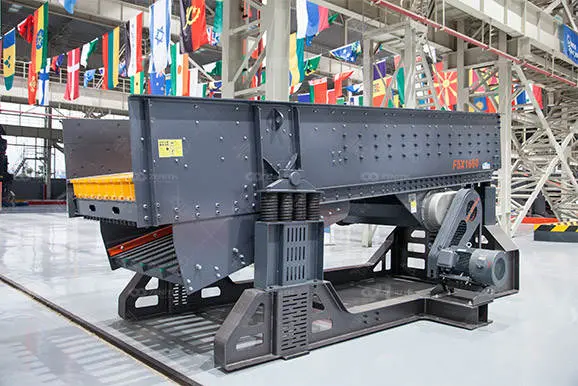
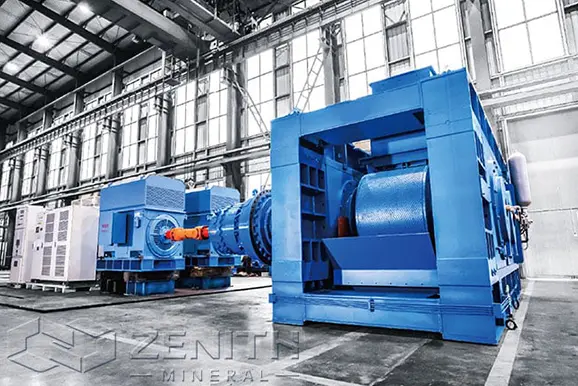
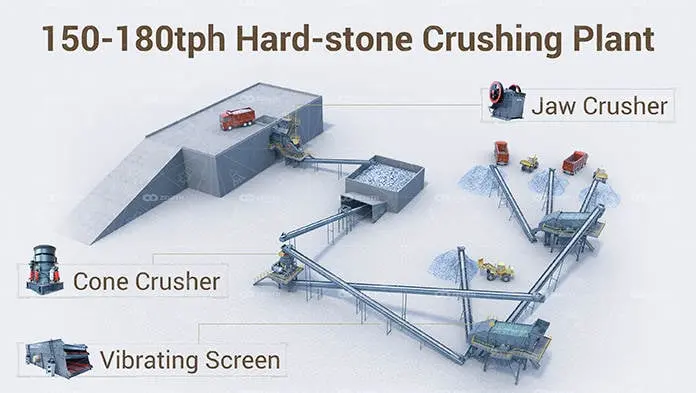
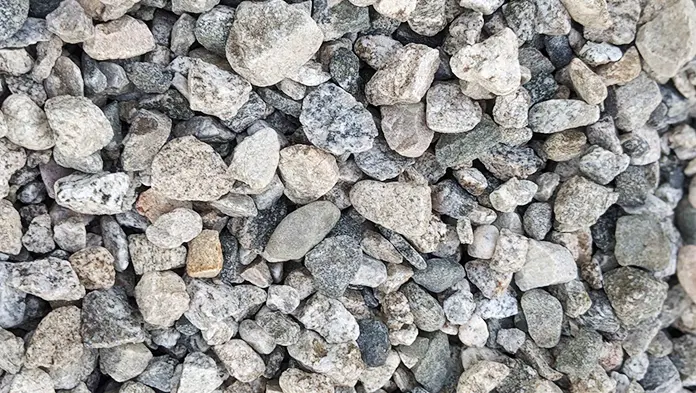
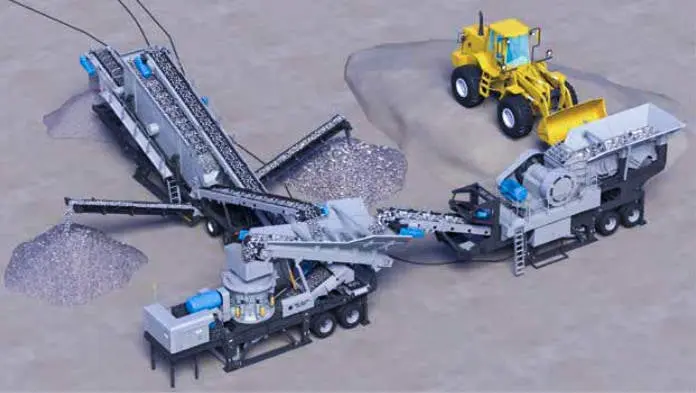
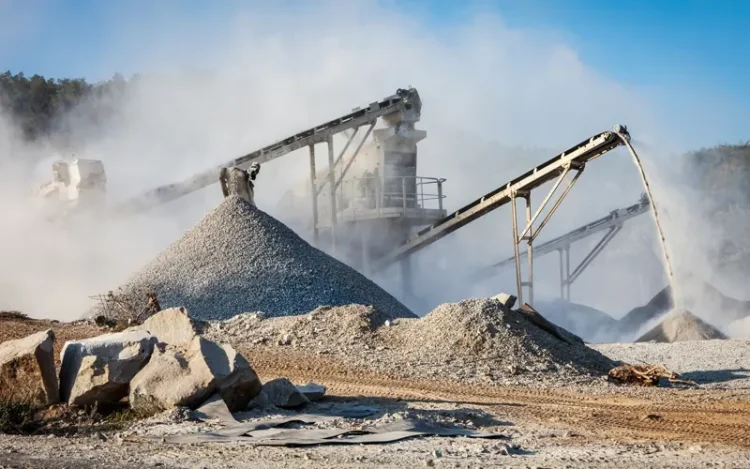
– Bauxite is crushed and ground into a fine powder to increase the surface area for the extraction process.
– The powdered bauxite is mixed with a hot solution of sodium hydroxide (NaOH), which dissolves the alumina content, leaving impurities behind.
– The mixture is allowed to settle, and the clear solution containing dissolved alumina is separated from the undissolved residues.
– The alumina solution is cooled and seeded with aluminum hydroxide crystals, causing alumina to precipitate out of the solution.
– The precipitated alumina is heated in rotary kilns to remove water, resulting in anhydrous alumina.
The Hall-Héroult Process is used to convert alumina into aluminum metal through electrolytic reduction. The steps are:
– Alumina is dissolved in molten cryolite and subjected to electrolysis in a reduction cell. An electric current is passed through the solution, causing aluminum ions to migrate to the cathode, where they are reduced to aluminum metal.
– The molten aluminum is collected at the bottom of the cell and periodically removed.
– The extracted aluminum is cast into ingots or other forms for further processing and manufacturing.
Bauxite plays a pivotal role in the production of aluminum, serving as the primary source of alumina. The extraction process, involving the Bayer and Hall-Héroult methods, is essential for producing aluminum metal used in various industries. Understanding these processes highlights the importance of bauxite in modern manufacturing and its widespread applications.