What is the feed of the jaw crusher
Time:16 September 2025

Jaw crushers are essential equipment in mining and aggregate industries, primarily used for crushing large rocks into smaller pieces. Understanding the feed of a jaw crusher is crucial for optimizing its performance and ensuring efficient operation.
Understanding Jaw Crusher Feed
The feed of a jaw crusher refers to the material that is fed into the crusher chamber for processing. This material can vary in size, composition, and hardness, affecting the crusher’s efficiency and output.
Characteristics of Jaw Crusher Feed
- Size: The feed size is critical as it determines the crusher’s capacity and efficiency. Ideally, the feed should be smaller than the crusher’s gape, which is the distance between the jaws at the feed opening.
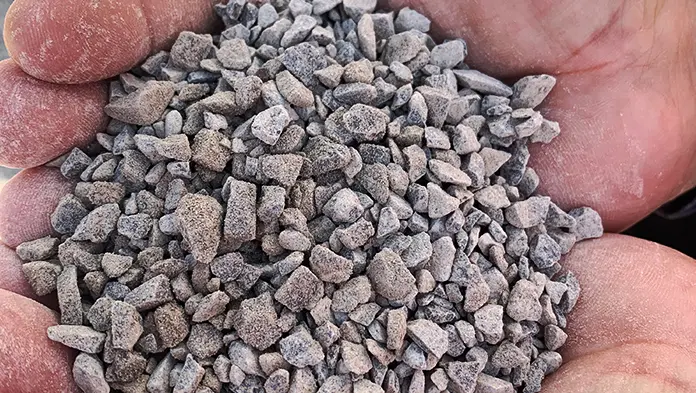
- Composition: The feed can consist of various materials, including rock, ore, and recycled concrete. The composition affects the wear and tear on the crusher components.
- Hardness: The hardness of the feed material influences the crusher’s ability to break it down. Harder materials require more energy and may reduce the crusher’s throughput.
Importance of Feed Size
The size of the feed is a crucial factor in jaw crusher operation. It impacts several aspects of the crusher’s performance:
- Capacity: Larger feed sizes can reduce the crusher’s capacity, as the machine may struggle to process oversized material efficiently.
- Efficiency: Proper feed size ensures that the crusher operates at optimal efficiency, minimizing energy consumption and maximizing output.
- Wear and Tear: Incorrect feed size can lead to increased wear on the crusher’s components, shortening their lifespan and increasing maintenance costs.
Optimal Feed Practices
To ensure efficient jaw crusher operation, it’s important to follow best practices for feeding:
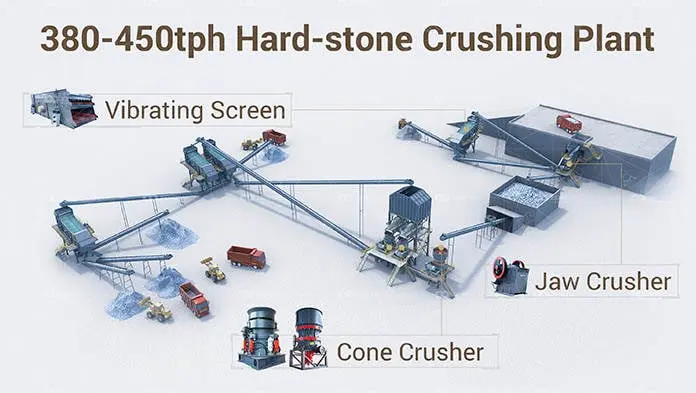
Pre-Screening
- Purpose: Pre-screening involves removing fine material before it enters the crusher, reducing unnecessary wear and improving efficiency.
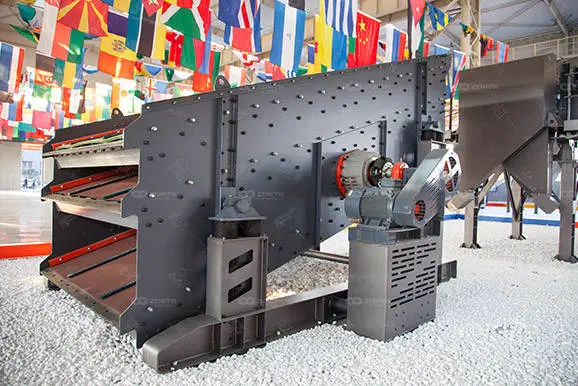
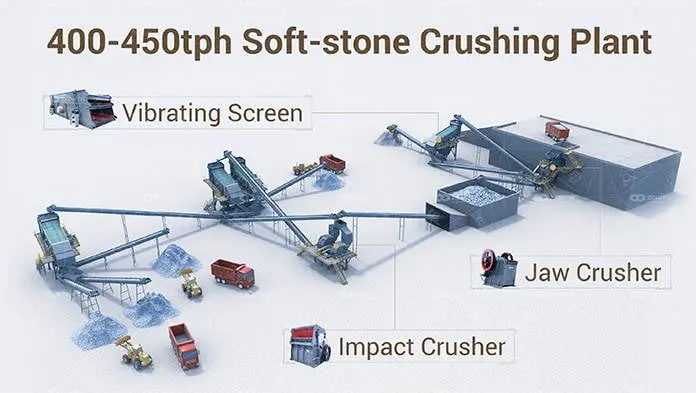
- Methods: Use vibrating screens or grizzly feeders to separate fines from the main feed.
Controlled Feeding
- Consistent Flow: Maintain a consistent flow of material into the crusher to prevent blockages and ensure smooth operation.
- Feed Rate: Adjust the feed rate based on the crusher’s capacity and the material’s characteristics.
Feed Distribution
- Even Distribution: Ensure the feed is evenly distributed across the width of the crusher chamber to prevent uneven wear and improve crushing efficiency.
- Avoid Overloading: Overloading the crusher can lead to reduced performance and increased wear.
Impact of Feed on Crusher Performance
The feed of a jaw crusher directly impacts its performance in several ways:
- Throughput: Proper feed size and distribution enhance the crusher’s throughput, increasing productivity.
- Product Quality: Consistent feed results in uniform product size, improving the quality of the output.
- Energy Consumption: Efficient feeding reduces energy consumption by minimizing unnecessary crushing cycles.
Conclusion
Understanding and optimizing the feed of a jaw crusher is vital for achieving efficient and effective crushing operations. By focusing on feed size, distribution, and composition, operators can enhance the crusher’s performance, reduce wear and tear, and ensure high-quality output. Implementing best practices such as pre-screening and controlled feeding can significantly improve the overall efficiency of jaw crushers in various applications.