What parameters should be considered when going to purchase jaw crushers
Time:12 September 2025
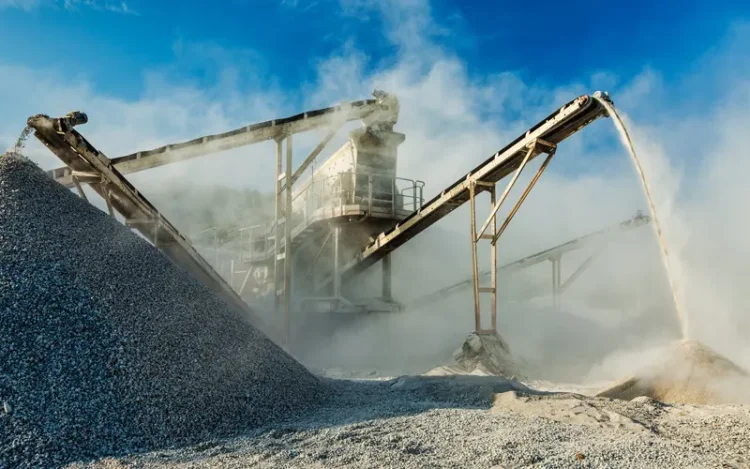
Jaw crushers are essential equipment in the mining and construction industries, used for crushing various materials. Selecting the right jaw crusher can significantly impact productivity and operational efficiency. This article outlines the key parameters to consider when purchasing jaw crushers.
1. Material Characteristics
Understanding the material characteristics is crucial for selecting the appropriate jaw crusher.
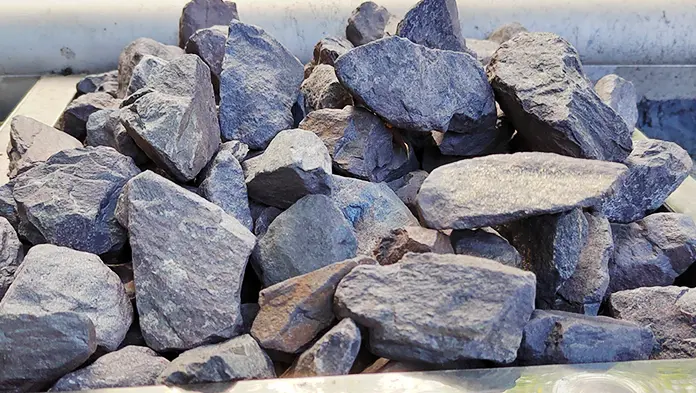
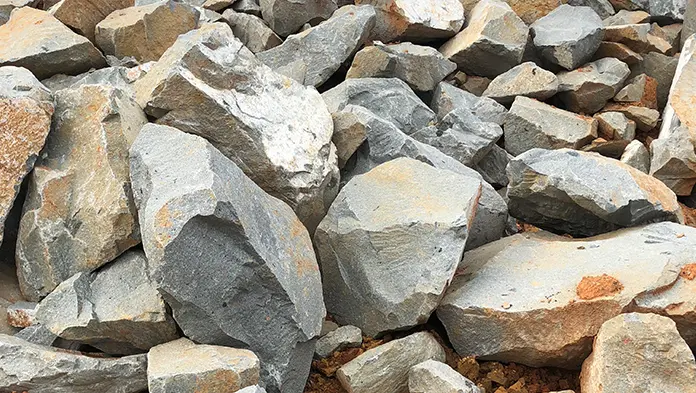
- Hardness: Consider the hardness of the material to be crushed. Harder materials require more robust crushers.
- Moisture Content: Materials with high moisture content can lead to clogging and reduced efficiency.
- Abrasion Level: Highly abrasive materials can cause wear and tear, impacting the crusher’s lifespan.
2. Crusher Size and Capacity
The size and capacity of the jaw crusher should align with your production requirements.
- Feed Opening Size: Ensure the feed opening size can accommodate the largest material pieces.
- Output Size: Determine the desired output size to ensure the crusher can achieve the required granularity.
- Capacity: Evaluate the crusher’s capacity to meet your production volume needs.
3. Crushing Technology
Different jaw crushers use varying technologies and mechanisms.
- Single Toggle vs. Double Toggle: Single toggle crushers are simpler and lighter, while double toggle crushers offer better crushing force.
- Hydraulic vs. Mechanical: Hydraulic systems provide easier adjustment and maintenance compared to mechanical systems.
4. Operational Considerations
Assess the operational aspects to ensure the crusher fits seamlessly into your workflow.
- Ease of Maintenance: Look for crushers with simple maintenance procedures to minimize downtime.
- Energy Efficiency: Energy-efficient crushers reduce operational costs and environmental impact.
- Automation and Control: Advanced control systems can enhance precision and reduce manual intervention.
5. Manufacturer and Support
The manufacturer’s reputation and support services are vital for long-term reliability.
- Brand Reputation: Choose reputable manufacturers known for quality and durability.
- Warranty and Service: Ensure comprehensive warranty coverage and reliable after-sales support.
- Spare Parts Availability: Confirm the availability of spare parts to avoid prolonged downtime.
6. Cost Considerations
Evaluate the cost implications to ensure a balanced investment.
- Initial Purchase Cost: Compare prices across different models and manufacturers.
- Operational Costs: Consider ongoing costs such as energy consumption and maintenance.
- Total Cost of Ownership: Assess the long-term financial impact, including depreciation and resale value.
7. Environmental and Regulatory Compliance
Ensure the jaw crusher complies with environmental and regulatory standards.
- Emission Standards: Verify compliance with local emission regulations.
- Noise Levels: Consider crushers with noise reduction features to minimize impact on surrounding environments.
- Safety Features: Ensure the crusher includes necessary safety features to protect operators.
Conclusion
Purchasing a jaw crusher involves careful consideration of various parameters, from material characteristics to cost implications. By evaluating these factors, you can select a crusher that meets your operational needs and enhances productivity. Always prioritize quality, reliability, and support to ensure a successful investment in your crushing operations.