What Are the Essential CEMA Safety Standards for Industrial Conveyor Belt Operations?
Час:
5 October 2025
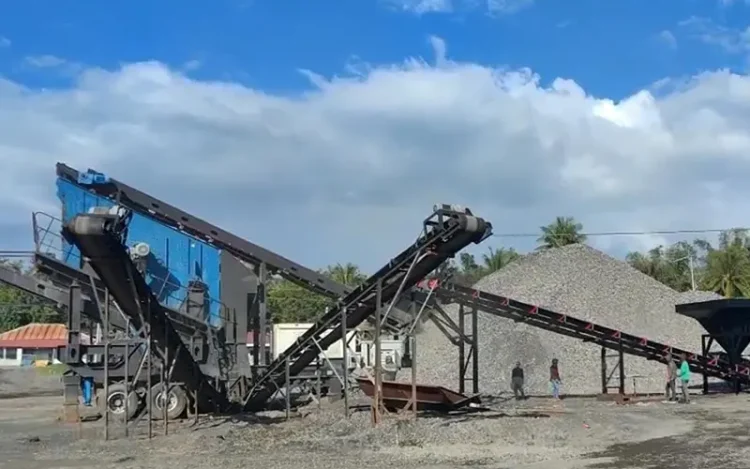
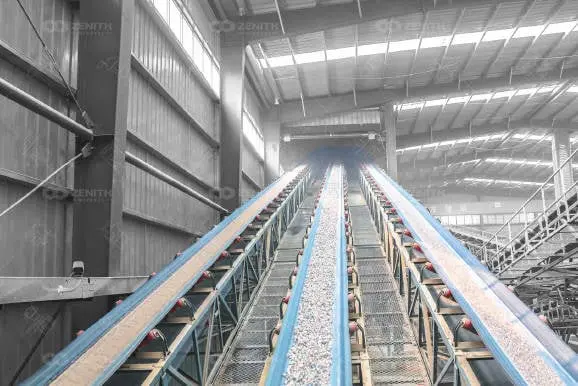
CEMA (Conveyor Equipment Manufacturers Association) safety standards play a critical role in ensuring safe operations around industrial conveyor belts. These guidelines are widely regarded in the industry to minimize risks and improve workplace safety. Here are the essential CEMA safety standards for industrial conveyor belt operations:
1. Compliance with OSHA Regulations
- CEMA standards align with OSHA’s (Occupational Safety and Health Administration) requirements, such as 29 CFR 1910.212 for machine guarding. Conveyor belt operations must meet these federal safety guidelines.
2. Safe Design and Engineering
- Conveyors must be designed with safety considerations in mind, including appropriate guards, emergency stops, warning labels, and accessible inspection areas.
3. Warning Labels
- All conveyors should be equipped with standard, visible warning labels that clearly state potential hazards (e.g., “Keep hands away from moving parts”).
4. Guarding Requirements
- Rotating parts: Guards should be installed around gears, belts, chains, and sprockets to protect workers from pinch points.
- Moving parts: Nip points, crushing zones, and other potentially hazardous areas need proper guarding.
- Start-up interlocks: Prevent automatic operation during maintenance or cleaning procedures.
5. Lockout/Tagout Procedures
- Clear procedures for isolating energy sources during maintenance must be established to prevent accidental startup, following lockout/tagout standards (OSHA 1910.147).
6. Training and Education
- Employees must receive regular safety training on proper conveyor usage, maintenance, and emergency procedures, emphasizing awareness of hazards like entanglement, falling objects, and belt misalignment.
7. Emergency Stop Mechanisms
- Conveyors need accessible emergency stop systems such as pull cords or push buttons in critical locations along the entire conveyor system. Stops should be tested and maintained regularly.
8. Loading and Unloading Safety
- Clear procedures should prevent overloading conveyors, which can cause mechanical failures and unsafe conditions. Proper guidelines should also address debris and spillage cleanup around conveyors.
9. Fall Protection
- Elevated conveyor systems must comply with fall protection standards, including railings, overhead safety gates, and platforms where employees may be required to access the equipment.
10. Inspecting and Maintaining Equipment
- Routine inspections must identify worn parts, misaligned belts, damaged guards, or other hazards. Maintenance should always follow documented procedures.
11. Safety Guidelines for Specific Conveyor Types
- CEMA provides safety recommendations tailored for specific types of conveyors, including belt conveyors, screw conveyors, and bucket elevators. Each has unique operational risks that require specialized safety solutions.
12. Proper Access and Clearances
- Conveyor systems must provide sufficient clearance and pathways for personnel to move safely around and away from the equipment during normal operation or in emergencies.
13. Monitoring System Performance
- Implement monitoring systems to detect belt slippage, overloads, tracking issues, or blockages. These systems help operators respond proactively to prevent accidents.
14. Preventing Unauthorized Access
- Conveyor equipment should have restricted access zones, ensuring that only trained and authorized personnel can operate or maintain the machinery.
15. Documentation of Safety Standards
- Written safety guidelines and equipment manuals should always accompany conveyor systems to ensure operators are familiar with technical specifications and safety practices.
CEMA publishes the "CEMA Safety Best Practices Guidelines", providing comprehensive advice for manufacturers and end-users. Additionally, manufacturers are encouraged to adopt ANSI Z244.1 standards (Control of Hazardous Energy and Lockout/Tagout) alongside OHS standards to enhance workplace safety.
For exact and updated CEMA guidelines, consult CEMA’s official publication or associated documents specific to your operation.
Contact Us
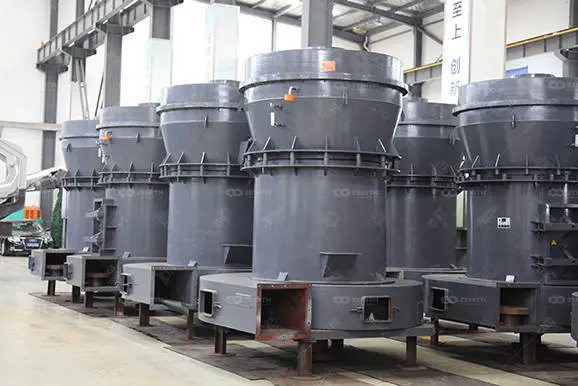
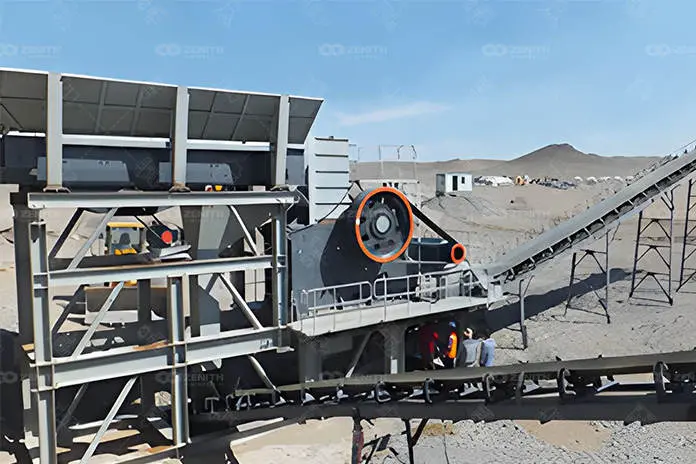
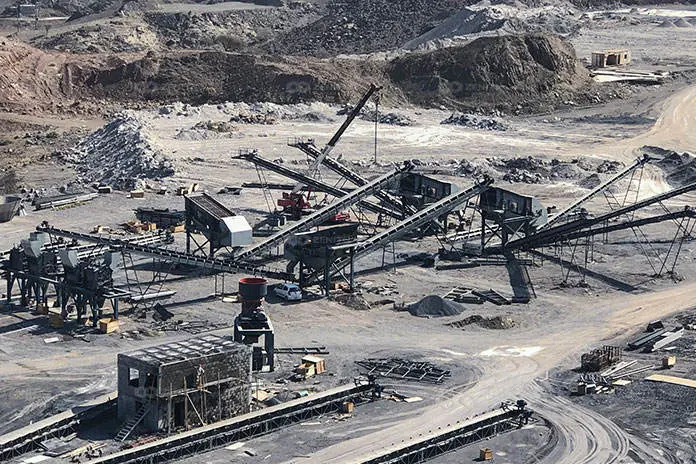
Shanghai Zenith Mineral Co., Ltd. is a leading manufacturer of crushing and grinding equipment in China. With more than 30 years of experience in the mining machinery industry, Zenith has built a strong reputation for delivering high-quality crushers, mills, sand-making machines, and mineral processing equipment to customers around the world.
Headquartered in Shanghai, China, Zenith integrates research, production, sales, and service, providing complete solutions for aggregates, mining, and mineral grinding industries. Its equipment is widely used in metallurgy, construction, chemical engineering, and environmental protection.
Committed to innovation and customer satisfaction, Shanghai Zenith continues to advance in intelligent manufacturing and green production, offering reliable equipment and comprehensive after-sales service to help clients achieve efficient and sustainable operations.
website: https://www.chinagrindingmill.net
Електронна пошта:info@chinagrindingmill.net
Вайбер:+8613661969651