What Engineering Standards Ensure Reliability in Chinese Belt Conveyor Systems?
Čas:
1 October 2025

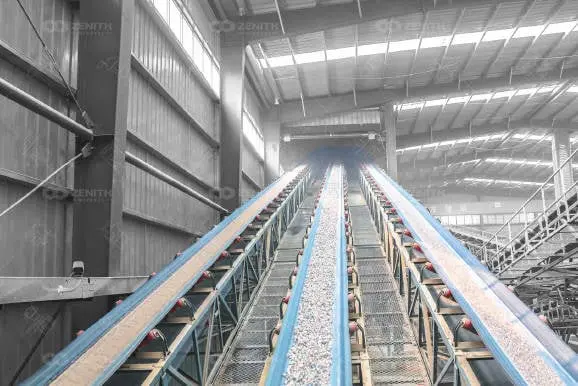
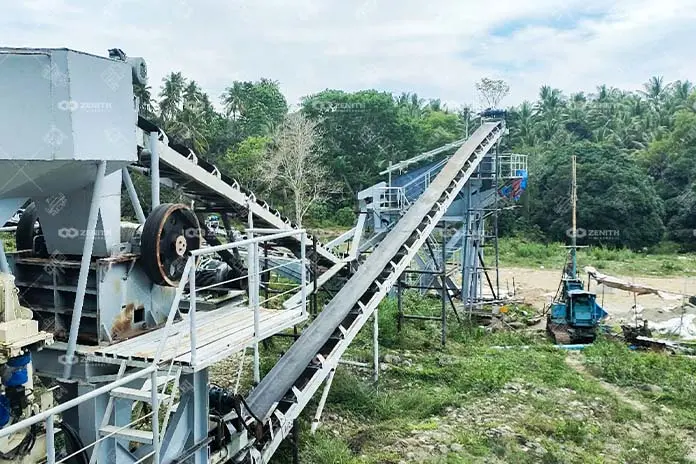
Reliability in Chinese belt conveyor systems is ensured through adherence to a combination of national, international, and industry-specific engineering standards. These standards govern the design, manufacturing, installation, operation, and maintenance of belt conveyor systems. Key aspects of these standards include material quality, system efficiency, safety considerations, and durability. Below are some of the primary engineering standards and practices that address reliability:
1. Chinese National Standards (GB/T)
- GB/T 10595-2009: This is the Chinese standard for belt conveyor design and specifications. It outlines general requirements for reliability, stability, and structural integrity in conveyor systems used in industries such as mining, power generation, and manufacturing.
- GB/T 29995-2013: Focuses on safety requirements and protective measures for conveyor systems, ensuring reliable operation while reducing risks related to equipment failure.
- GB/T 40264-2021: Provides standards for rubber conveyor belts, specifying material durability, wear resistance, and tensile strength, critical for prolonged operation and reliability.
2. ISO Standards
Chinese manufacturers often adhere to ISO standards when exporting conveyor systems or working on global projects. Recognized international standards include:
- ISO 5048: Addresses the calculation of driving power and tensile forces for belt conveyors, ensuring systems are designed for optimal performance and reliability.
- ISO 283: Specifies testing methods for conveyor belt fabrics, ensuring durability and resistance to wear and failure.
- ISO 251: Includes specifications for conveyor belt pulleys, ensuring precision in operation and reduced risks of breakdown.
3. Mechanical Components Standards
- DIN Standards (Germany): Many Chinese conveyor systems comply with German standards (e.g., DIN 22101 for belt conveyor design) to meet stringent reliability benchmarks.
- ASME and ANSI Standards (USA): For some internationally distributed systems, compliance with American standards ensures equipment meets global reliability expectations.
4. Quality Control Standards
- ISO 9001: A widely applied certification for quality management systems. Many Chinese manufacturers certified under ISO 9001 emphasize consistency and reliability in production processes.
- GB/T 19001: The Chinese equivalent of ISO 9001, ensuring internal quality control measures are followed during the manufacturing and assembly of conveyor systems.
5. Specific Material Standards
Conveyor belts and structural components are designed to withstand harsh conditions, guided by material-specific standards such as:
- GB/T 7982-2013: Rubber and plastic conveyor belt testing procedures to ensure degradation resistance and reliability.
- GB/T 5754-2008: Standards for rubber or steel cord reinforced belts, focusing on strength and longevity.
6. Safety and Environmental Standards
Chinese conveyor systems follow the latest safety and environmental regulations to reduce risks and ensure consistent operation:
- GB/T 18173.1-2014: Safety requirements for belt conveyor components, including fire-resistant belts for industries such as mining.
- ISO 14001 (Environmental Management Systems): Ensures conveyor designs and processes comply with environmental sustainability practices.
7. Industry-Specific Standards
Industries such as mining, ports, construction, and agriculture have their own reliability benchmarks. For example:
- MT/T 988-2018: Mining-specific standards for belt conveyors address durability, safety, and operational requirements in challenging mine environments.
- AQ Standards: Safety standards developed for workplace operations, including conveyors in hazardous conditions.
8. Enhanced Practices for Reliability
- Proper alignment and tensioning mechanisms to avoid belt slippage or excessive wear.
- Application of condition monitoring systems (e.g., predictive maintenance tools) to detect and address faults before they cause major failures.
- Use of automated controls and inverter-driven motors to ensure smooth and energy-efficient operation.
- Regular inspection and compliance reviews guided by standards for preemptive maintenance.
These engineering standards and practices collectively ensure the reliability of Chinese belt conveyor systems by addressing factors like structural integrity, safety, quality control, and durability. Reliable conveyor systems can minimize downtimes, reduce costs, and improve operational efficiency.
Contact Us
Shanghai Zenith Mineral Co., Ltd. is a leading manufacturer of crushing and grinding equipment in China. With more than 30 years of experience in the mining machinery industry, Zenith has built a strong reputation for delivering high-quality crushers, mills, sand-making machines, and mineral processing equipment to customers around the world.
Headquartered in Shanghai, China, Zenith integrates research, production, sales, and service, providing complete solutions for aggregates, mining, and mineral grinding industries. Its equipment is widely used in metallurgy, construction, chemical engineering, and environmental protection.
Committed to innovation and customer satisfaction, Shanghai Zenith continues to advance in intelligent manufacturing and green production, offering reliable equipment and comprehensive after-sales service to help clients achieve efficient and sustainable operations.
website: https://www.chinagrindingmill.net
E-mail:info@chinagrindingmill.net
Whatsapp:+8613661969651