How to Identify Gold-Bearing Rocks and Select Optimal Processing Equipment?
Čas:
22 September 2025
Identifying gold-bearing rocks and selecting optimal processing equipment involves a combination of geological analysis, mineralogical observation, and appropriate processing techniques. Here’s a comprehensive guide:
1. Identifying Gold-Bearing Rocks
Gold is often found in specific rock types and geological environments. To identify potential gold-bearing rocks, you should understand the following features:
a. Geological Context
Gold deposits are often associated with:
- Quartz veins: Gold is commonly found in or near quartz veins within host rocks.
- Igneous and metamorphic rocks: Gold can occur in volcanic formations or as part of hydrothermal mineral systems.
- Sedimentary rocks (placer deposits): Gold-bearing sediments are deposited by flowing water in rivers or streams (alluvial gold).
- Ore bodies: Associated with sulfides like pyrite, arsenopyrite, and chalcopyrite.
b. Visual Indicators
Look for:
- Shiny, metallic gold: Natural gold appears metallic, yellow, or reddish-yellow.
- Heavy rocks: Gold-bearing rocks may feel heavier due to their composition.
- Rusty staining (oxidation): The presence of iron oxides like hematite or limonite may indicate gold-bearing ore near the surface.
c. Prospecting Techniques
- Samples: Collect rock samples from quartz veins, old mine sites, or areas known for gold occurrences.
- Crushing and Panning: Crush rocks and pan for concentrates in areas with visible quartz veins or sediments.
d. Laboratory Tests
If visible signs are inconclusive, send rock samples to a lab for:
- Assay Testing: Measures the gold content in ore.
- Geochemical Analysis: Identifies trace amounts of gold and other precious metals.
2. Selecting Optimal Processing Equipment
The choice of processing equipment depends on the type of gold-bearing ore (alluvial, hard rock, or sulfide ores) and the scale of operation. Here’s an overview:
a. Gold Processing Methods
- Placer (Alluvial) Mining
- Ideal for loose or sedimentary deposits.
- Methods include panning, sluice boxes, trommels, and jigs.
- Hard Rock Mining
- For gold trapped in quartz veins or rocks.
- Requires crushing, grinding, and separation.
- Refractory Mining
- For ores with locked or chemically bonded gold (e.g., sulfide ores).
- Requires roasting, pressure oxidation, or bioleaching.
b. Key Processing Equipment
-
Crushers and Mills (for Hard Rock)
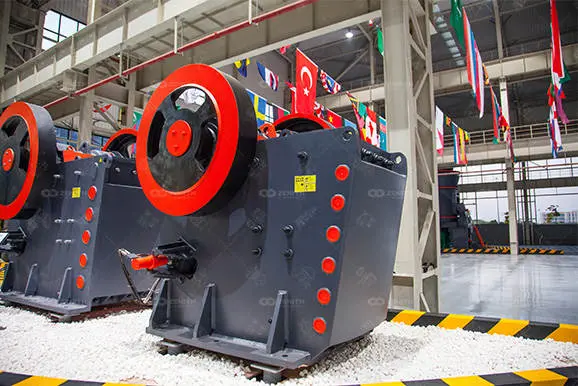
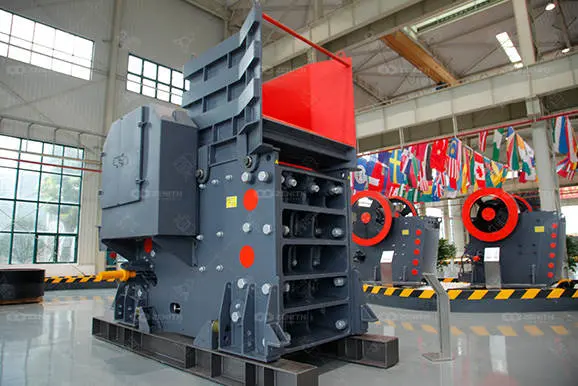
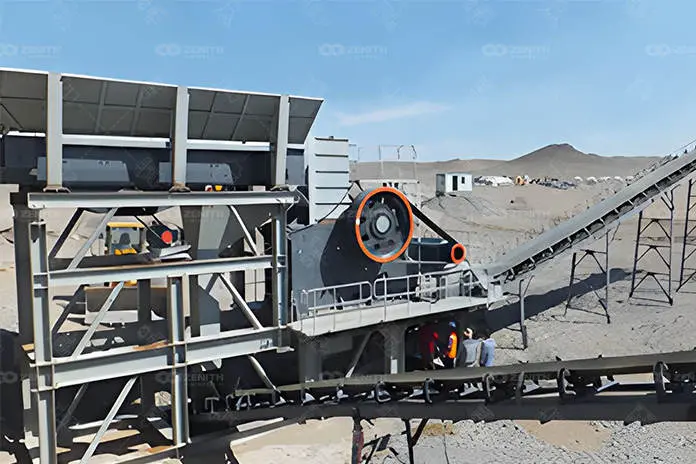
- Kladivový drtič: For primary crushing of large rocks.
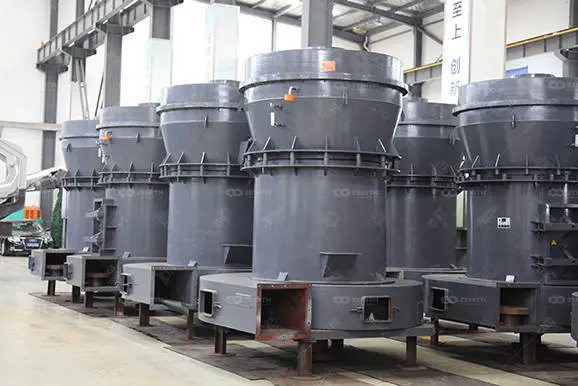
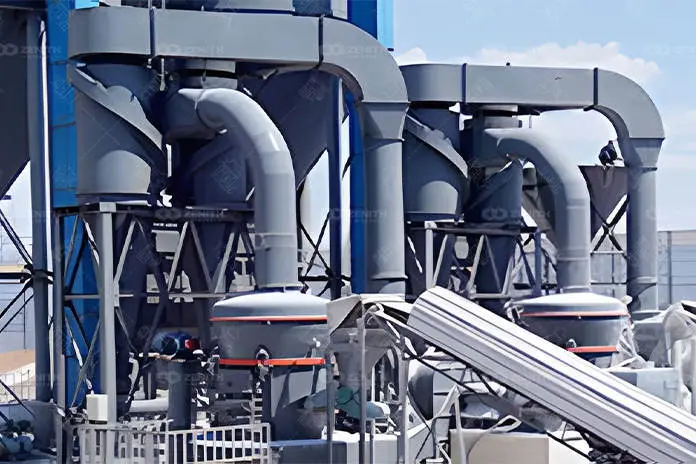
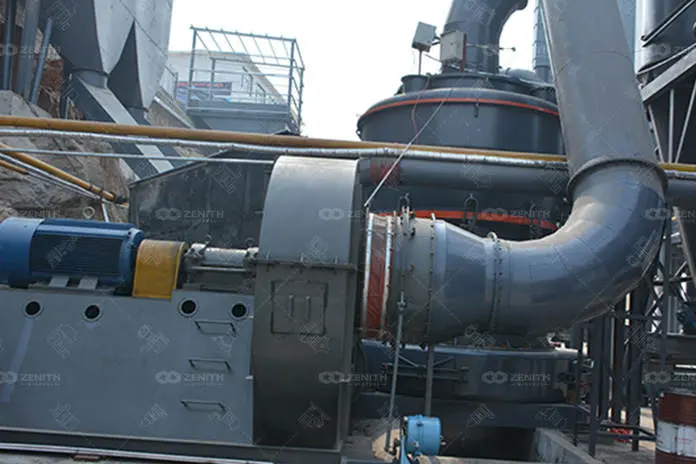
- Hammer Mill or Ball Mill: For grinding to fine powder.
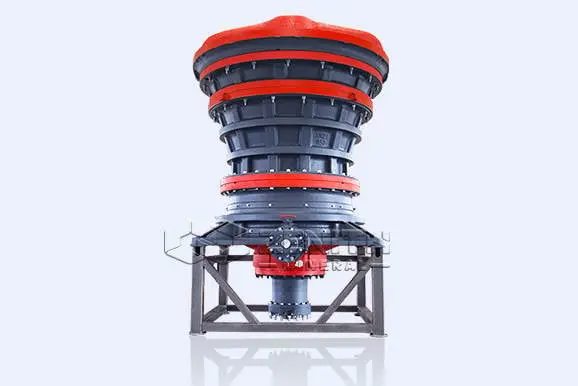
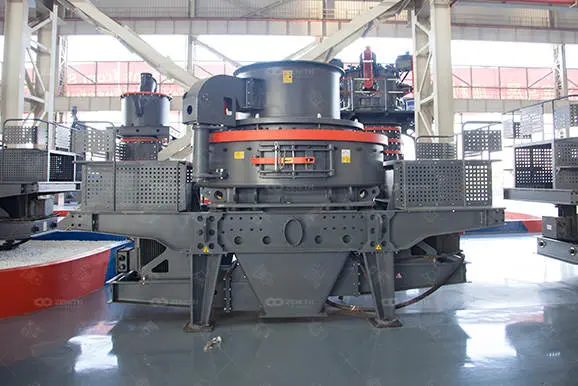
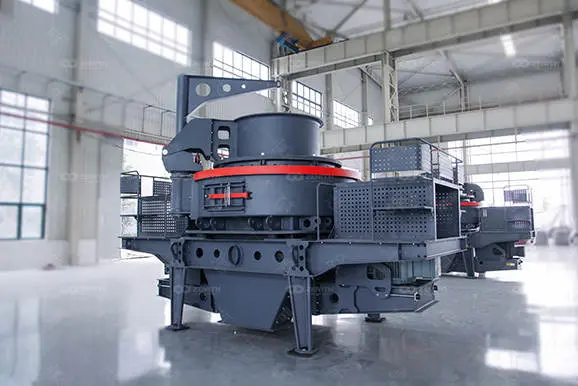
- Kovo drtič for secondary and tertiary ore reduction.
-
Gravity Separation Devices
- Sluice Boxes: Separate heavier particles from lighter materials.
- Spiral Concentrators: Create segregated flow for gold extraction.
- Shaking Tables: Isolate gold particles based on density differences.
-
Chemical Processing Equipment
- Cyanidation Tanks: For extracting gold from finely ground ores using cyanide solution. Ideal for low-grade ores.
- Flotation Cells: For processing ores with sulfides and other heavy minerals.
- Leaching Equipment (Heap or Vat Leaching): For oxidized ores.
-
Electrochemical Equipment
- Electrowinning Cells: For recovering pure gold from solution.
- Activated Carbon Systems: For adsorption and desorption during cyanidation processes.
c. Supportive Equipment
- Pumps and Classifiers: Pump slurry or water and classify particle sizes.
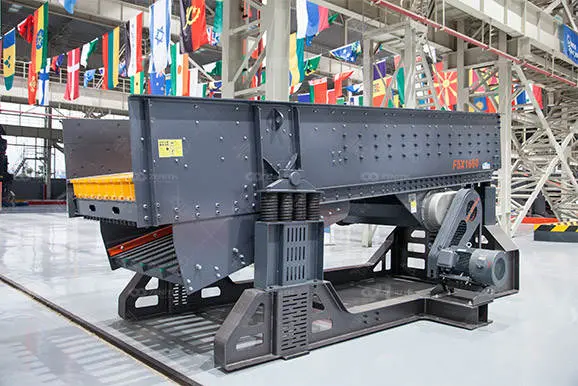
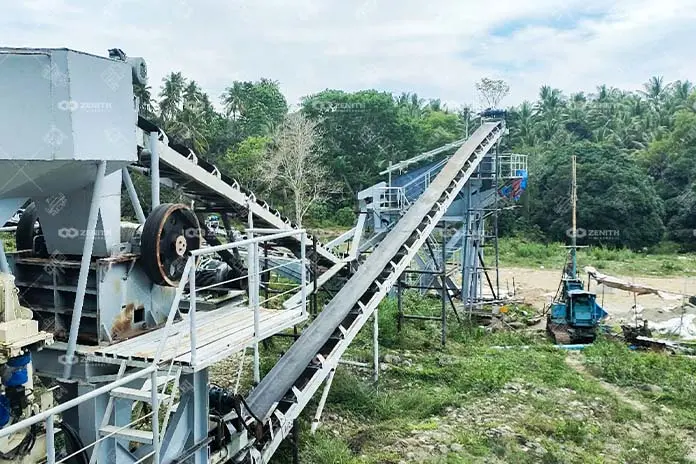
- Screenerovací zařízení: Separate materials by size for efficient processing.
- Safety and Automation Systems: Optimize operations and ensure environmental compliance.
d. Scale of Operation
Consider the size and capacity of your operation:
- Small-scale: Panning, sluice boxes, and artisanal methods.
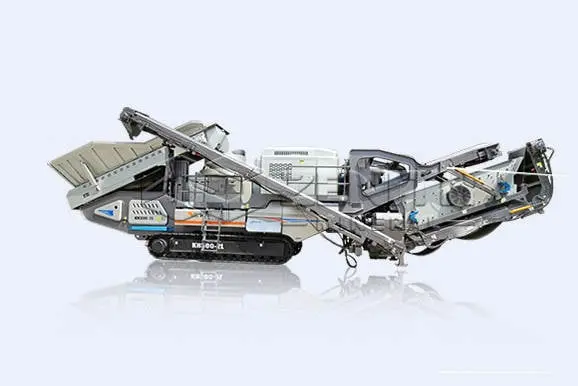
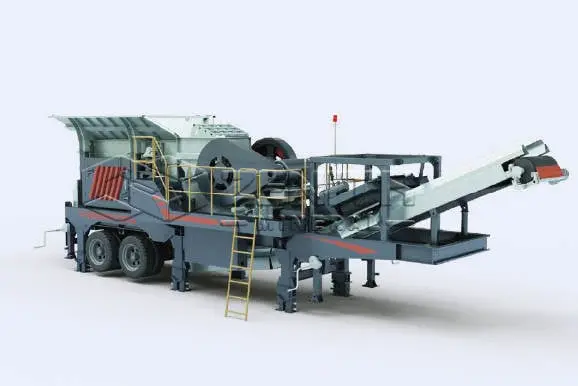
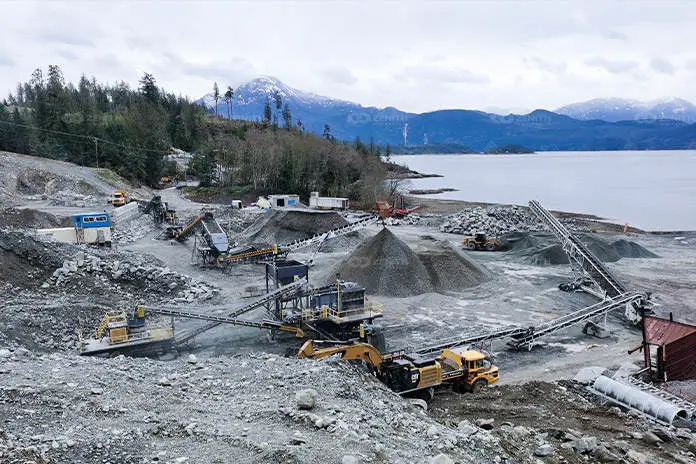
- Medium-scale: Mobile crushers, portable concentrators, and gravity separators.
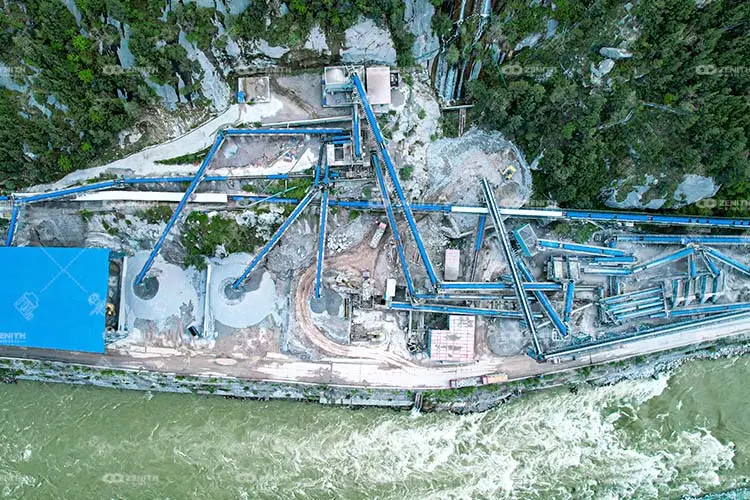
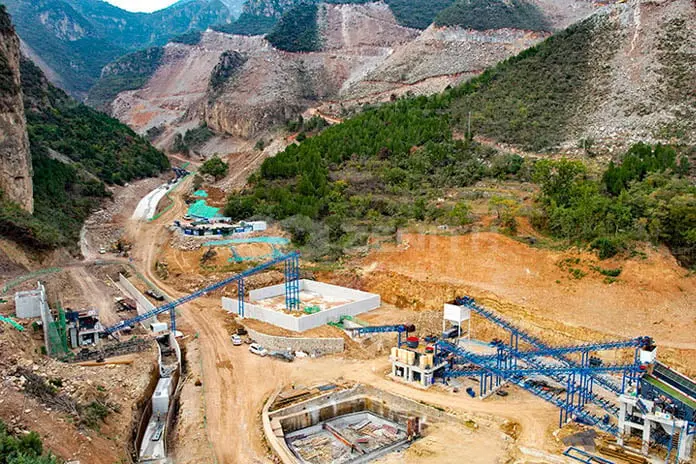
- Large-scale: Heavy-duty crushers, milling plants, advanced chemical processing, and smelting technology.
3. Environmental and Safety Considerations
Gold mining and processing can have environmental impacts. Use eco-friendly technologies:
- Monitor and manage water usage.
- Properly dispose of tailings and chemical waste.
- Follow legal and environmental regulations in mining areas.
4. Economic Assessment
- Carry out a feasibility study.
- Assess the cost of purchasing, operating, and maintaining equipment versus potential gold yield.
- Identify local suppliers or manufacturers for processing equipment to reduce costs and downtime.
By combining geological knowledge, testing, and optimal equipment selection, you can maximize gold recovery efficiently and sustainably.
Contact Us
Shanghai Zenith Mineral Co., Ltd. is a leading manufacturer of crushing and grinding equipment in China. With more than 30 years of experience in the mining machinery industry, Zenith has built a strong reputation for delivering high-quality crushers, mills, sand-making machines, and mineral processing equipment to customers around the world.
Headquartered in Shanghai, China, Zenith integrates research, production, sales, and service, providing complete solutions for aggregates, mining, and mineral grinding industries. Its equipment is widely used in metallurgy, construction, chemical engineering, and environmental protection.
Committed to innovation and customer satisfaction, Shanghai Zenith continues to advance in intelligent manufacturing and green production, offering reliable equipment and comprehensive after-sales service to help clients achieve efficient and sustainable operations.
website: https://www.chinagrindingmill.net
E-mail:info@chinagrindingmill.net
Whatsapp:+8613661969651