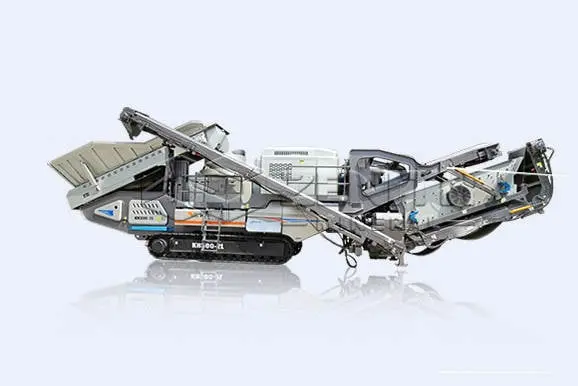
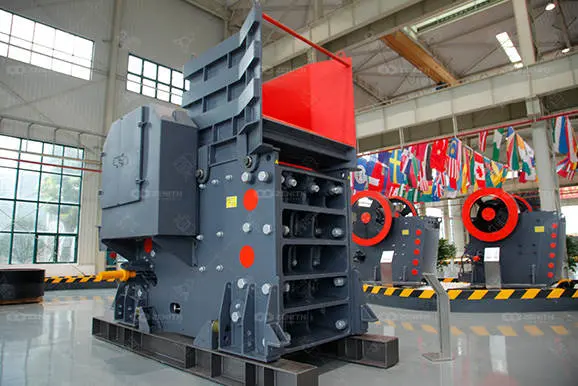
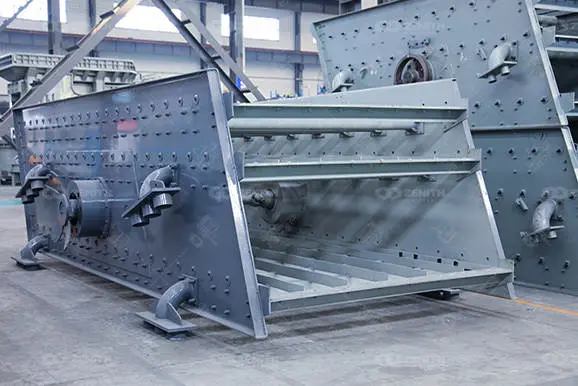
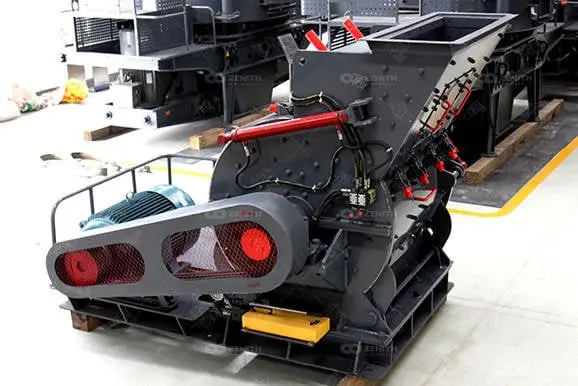
What Pollution Control Solutions Are Essential for 150 TPH Coal Crusher and Screening Plants?
Čas:
8 May 2021
Pollution control solutions for a 150 TPH coal crusher and screening plant are essential to minimize environmental impact, ensure compliance with regulatory standards, and improve workplace safety. Here’s a breakdown of effective measures:
1. Dust Control Measures
Coal crushing and screening plants generate significant amounts of dust. Proper dust control systems are crucial:
- Water Sprinkling Systems: Installing water spray systems at critical dust generation points (e.g., transfer points, crushers, and screens) reduces airborne dust.
- Dry Fog Dust Suppression Systems: Dry fog systems can be used to bind dust particles and prevent them from becoming airborne.
- Dust Extraction Systems: Use high-efficiency dust collectors or bag-house filters to capture fugitive dust from conveyors, crushers, and screens.
- Enclosures and Containment: Enclosing conveyors, transfer points, crushing, and screening areas can help minimize dust release to the environment.
- Wind Barriers: Installing wind barriers around the plant reduces dust dispersal by wind.
2. Air Pollution Control Equipment
The presence of fine particulates (PM10/PM2.5) from coal handling must be addressed:
- Cyclone Separators or Scrubbers: Equipment like cyclone separators can separate larger particulates, while wet scrubbers can handle finer particles effectively.
- Electrostatic Precipitators (ESPs): Useful for capturing fine particulate matter that poses environmental and health risks.
- Ventilační systémy: Adequate ventilation systems equipped with HEPA filters help remove airborne particles to maintain air quality.
3. Noise Pollution Control
Coal crushing and screening plants generate significant noise pollution. Mitigation measures include:
- Acoustic Enclosures: Surround noise-generating equipment, such as crushers, with soundproof enclosures.
- Noise Barriers: Erect barriers or natural vegetation around the plant to reduce noise transmission.
- Proper Maintenance: Regularly maintain equipment to reduce noise from worn-out machinery and loose components.
4. Wastewater Management
Water used for dust suppression or cleaning operations can mix with coal particles and potentially contaminate nearby water sources:
- Sedimentation Pits: Construct sedimentation pits or settling ponds to collect and process wastewater before discharge.
- Filtration Systems: Use filtration and recycling systems to treat water for reuse in dust suppression or other plant processes.
5. Greenbelt Development
Planting greenery around the coal crusher and screening plant can help control pollution:
- Vegetation traps dust particles and absorbs pollutants like carbon dioxide and sulfur dioxide.
- Trees and shrubs reduce noise pollution.
6. Emission Reduction
Coal screening generates emissions such as volatile organic compounds (VOCs) and sulfur dioxide (SO2) from coal dust:
- Use low-sulfur coal to reduce SO2 emissions.
- Maintain proper ventilation and airflow systems near active operations to dilute and disperse emissions.
7. Material Handling Improvements
Inefficient coal handling practices can increase dust and pollution:
- Implement covered conveyors and transfer chutes to prevent spillage and dusting.
- Ensure proper loading and unloading practices to minimize airborne coal particles.
8. Monitoring Systems
Continuous monitoring and control systems are important for a proactive pollution control approach:
- Install ambient air quality monitoring stations around the plant.
- Monitor emissions from stacks and vents to ensure compliance with regulatory standards.
- Keep records of equipment maintenance and dust suppression activities.
9. Regulační shoda
Strict adherence to local, regional, and international pollution control regulations is mandatory:
- Obtain and comply with environmental permits and licenses for coal handling operations.
- Conduct periodical audits for pollution control system efficiency and environmental compliance.
Summary
Key pollution control solutions for a 150 TPH coal crusher and screening plant include robust dust suppression systems, efficient air filtration, noise barriers, wastewater treatment, greenbelt development, emissions reduction strategies, and continuous monitoring systems. Employing these measures not only ensures environmental compliance but also enhances operational efficiency and reduces health risks for workers and nearby communities.
Contact Us
Shanghai Zenith Mineral Co., Ltd. is a leading manufacturer of crushing and grinding equipment in China. With more than 30 years of experience in the mining machinery industry, Zenith has built a strong reputation for delivering high-quality crushers, mills, sand-making machines, and mineral processing equipment to customers around the world.
Headquartered in Shanghai, China, Zenith integrates research, production, sales, and service, providing complete solutions for aggregates, mining, and mineral grinding industries. Its equipment is widely used in metallurgy, construction, chemical engineering, and environmental protection.
Committed to innovation and customer satisfaction, Shanghai Zenith continues to advance in intelligent manufacturing and green production, offering reliable equipment and comprehensive after-sales service to help clients achieve efficient and sustainable operations.
website: https://www.chinagrindingmill.net
E-mail:info@chinagrindingmill.net
Whatsapp:+8613661969651